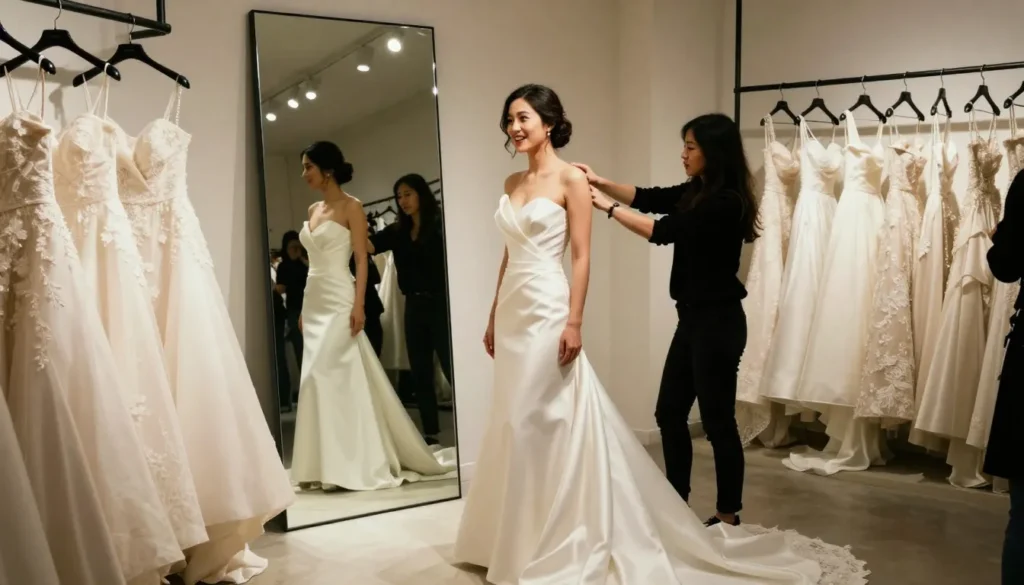
On a warm spring afternoon in a little coastal town, my friend Emma stepped into a bridal boutique with a heart full of nerves and a Pinterest board full of everything not white. She thought she wanted blush, champagne, maybe even a soft dove gray anything that felt “unique.” But when she slipped into a simple white satin A-line gown, every woman in the room fell silent. Emma looked at herself in the mirror, and something shifted. She didn’t want to cry, but she did because in that moment she understood why brides for generations had gravitated toward the white wedding dress. It wasn’t about tradition. It wasn’t about rules. It was about how the dress made her feel: luminous, grounded, and ready to step into a new chapter of her life.
Whether you’re like Emma or someone who always dreamed of floating down the aisle in a classic white gown, the white wedding dress remains one of the most iconic symbols of love and commitment across the world. Yet choosing the right one can feel overwhelming. From silhouettes and fabrics to cultural symbolism and modern trends, there’s far more to the white wedding dress than meets the eye.
In this guide, we’ll journey through the history, meaning, styling options, and practical steps to choosing the perfect white wedding dress written in a warm, conversation-first tone that feels like chatting with a trusted friend who also happens to know everything about bridal fashion.
Why White? Understanding the Timeless Appeal of the White Wedding Dress
Although Queen Victoria is often credited with popularizing the white wedding dress in 1840 during her marriage to Prince Albert, the symbolism of white goes far beyond royal influence. White has long been associated with celebration, elegance, and new beginnings. In many cultures, white evokes purity, serenity, harmony, and spiritual renewal. But in modern times, the white wedding dress has become less about symbolism and more about expression.
Brides today choose white not because they feel they have to, but because the color communicates a fresh start, a moment of transformation, and a sense of stepping boldly into the next phase of life. It reflects light beautifully in photographs, complements nearly every skin tone, and pairs effortlessly with accessories from delicate pearl earrings to dramatic cathedral veils.
What’s more, the white wedding dress family isn’t just a single color it encompasses a spectrum of shades including ivory, eggshell, off-white, alabaster, diamond white, cream, and even white dresses with subtle undertones like pale gold or blush. This variety means that every bride can find a version of white that feels authentic to her personality and aesthetic.
The Evolution of the White Wedding Dress in Modern Bridal Fashion
Fashion houses like Vera Wang, Pronovias, Monique Lhuillier, Oscar de la Renta, and Maggie Sottero have transformed the white wedding dress into a stunning blend of craftsmanship and storytelling. Over the decades, silhouettes have shifted from Grace Kelly–inspired modest lace gowns to Princess Diana’s voluminous taffeta masterpiece, to today’s minimalist silk slip dresses seen in contemporary collections from Amsale and Sarah Seven.
Today’s white wedding dress is not confined to one look. Brides can choose from:
- Sleek satin sheaths inspired by modern runway minimalism
- Vintage-inspired lace dresses with romantic sleeve details
- Bohemian chiffon gowns with flowing skirts and whimsical appliqués
- Ball gowns with sculptural skirts for a fairytale aesthetic
- Tailored bridal jumpsuits, suits, or separates for a chic, empowered twist
The modern bride isn’t choosing a dress; she’s choosing a moment, a mood, a memory she wants to wear.
Choosing the Perfect White Wedding Dress: A Step-by-Step Guide
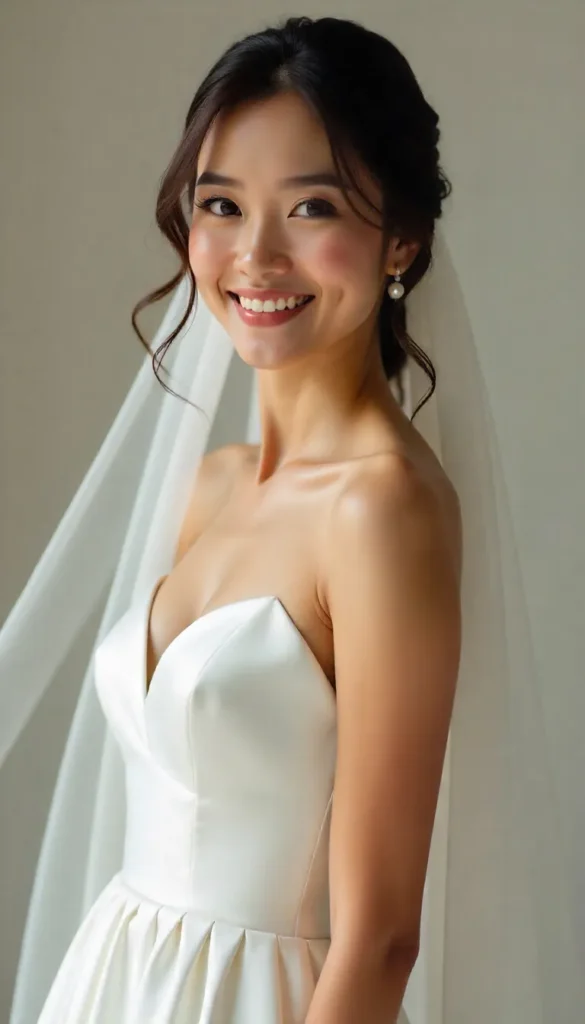
Selecting your wedding dress should feel joyful, not stressful. With so many styles, fabrics, and designers to explore, it helps to have a simple roadmap. This step-by-step guide breaks down the process in a way that feels approachable and doable no fashion degree required.
The first step is to gather inspiration, not to copy what you see but to understand what kind of silhouettes and textures make your heart leap. Whether you’re scrolling TikTok bridal stylists, browsing Instagram feeds of boutiques like Kleinfeld Bridal, or collecting images on Pinterest, take note of recurring themes. Maybe you’re drawn to deep V-necklines, dramatic trains, fitted bodices, or minimalist column dresses. Inspiration helps you identify patterns you didn’t even know you had.
Once you’ve curated these ideas, the next step is to explore silhouettes. Bridal silhouettes shape the entire mood of your gown. An A-line dress flatters almost all body types with its gentle waist and flowing skirt. A ball gown offers drama and volume, ideal for grand venues like cathedrals or castles. A mermaid silhouette emphasizes curves for a bold and confident look. Meanwhile, a sheath dress creates sleek lines perfect for outdoor or beach weddings. Understanding how each silhouette behaves helps you match your dress to your personality, venue, and level of comfort.
Fabric is just as important as silhouette. Satin offers structure and shine. Chiffon is airy and romantic. Lace brings texture and timelessness. Tulle creates movement and volume. Mikado provides luxurious stiffness and modern clean lines. Your choice of fabric affects how your dress drapes, photographs, and feels against your skin. Brides who prefer breathable, lightweight gowns often gravitate towards chiffon and soft tulle, while those seeking architectural structure lean into satin, mikado, or crepe.
By the time you’re ready to visit a bridal boutique, it’s helpful but not mandatory to know a general style direction. Bring along supportive voices who know your taste, not a large entourage that may overwhelm the experience. When trying on dresses, allow yourself to experiment. Many brides, like my friend Emma, fall in love with a style they never expected.
Fit and tailoring are the secret behind every unforgettable wedding dress. Even the most exquisite gown won’t shine without proper alterations. Trusted seamstresses often perform multiple fittings to adjust bodice structure, hem length, train bustle placement, and strap positioning. This step ensures the dress looks as though it was made precisely for you.
Finally, accessories complete the bridal look. Think about your shoes, veil, earrings, necklace, hairpieces, bridal gloves, and even your bouquet. Each element should complement your dress rather than compete with it. A dramatic gown may call for minimal jewelry, while a sleek minimalist dress welcomes bold statement pieces.
Popular Shades of White and Which Brides They Suit Best
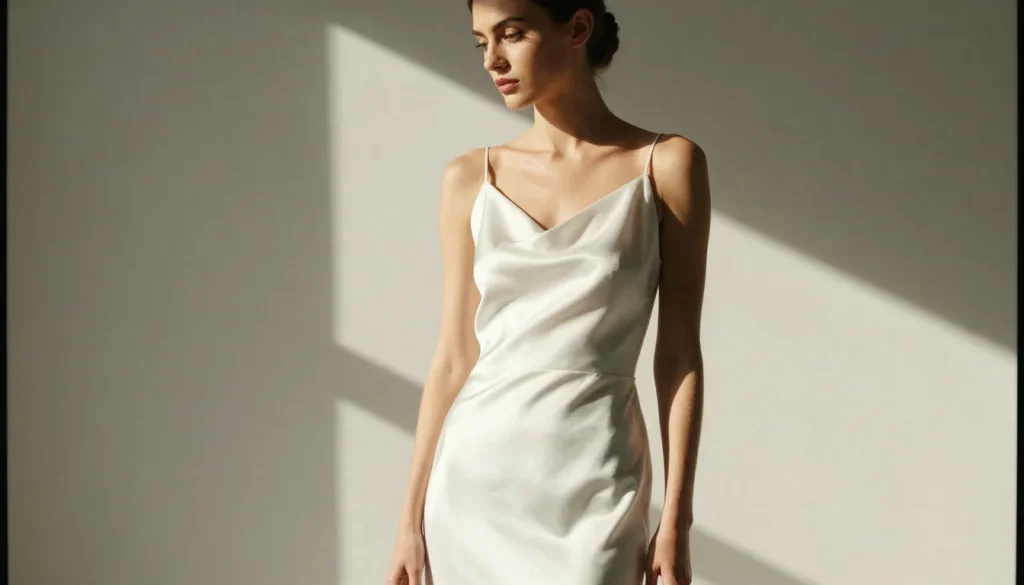
White may seem simple, but in bridal fashion it’s a world of nuance. Different undertones can elevate your complexion, enhance details in your gown, and influence how the dress reflects in photos.
Pure white often seen in contemporary designs has a crisp, bright, almost blue undertone. It works beautifully for cooler skin tones or brides who want a modern, sleek, editorial look.
Diamond white and natural white are slightly softer, sitting between pure white and ivory. These shades provide brightness without the starkness of pure white, making them widely versatile for many complexions. They are often used by designers like Justin Alexander and Enzoani in gowns that feature intricate beading or satin finishes.
Ivory is the most universally flattering shade of white. Its warm undertones soften the dress’s overall appearance, especially when paired with lace, tulle, or organza. Ivory photographs exceptionally well and enhances the depth of embellishments. Many luxury bridal brands, including Berta Bridal and Marchesa, rely heavily on ivory to give gowns a romantic glow.
Champagne, nude, and blush undertones peek through sheer layers and lace appliqués, creating dimension and a modern, ethereal aesthetic. These tones complement outdoor weddings, golden-hour ceremonies, and brides seeking a slightly unconventional take on white.
Real-World Use Cases: White Wedding Dresses for Every Wedding Style
Every wedding has a story. Whether you’re hosting a breezy beach ceremony, a black-tie city soirée, or a rustic barn celebration, there’s a white wedding dress suited for that environment.
For destination beach weddings, lightweight fabrics like chiffon and organza work best. They flow with the wind, breathe well in warm temperatures, and create effortless movement as you walk along the sand. Minimalist spaghetti straps, soft draping, and subtle floral appliqués appear often in beach-ready collections from designers like Watters and BHLDN.
For glamorous ballroom weddings, structured gowns with sweeping trains, mikado skirts, and dramatic veils elevate the grandeur of the setting. Ball gowns and mermaid silhouettes thrive in such venues, capturing the light and drawing attention in spaces adorned with chandeliers and high ceilings.
For rustic or bohemian outdoor weddings, lace-heavy gowns with earthy undertones fit perfectly. Think flutter sleeves, open backs, embroidered botanical motifs, and comfortable silhouettes that allow movement. Designers like Rue De Seine and Lillian West specialize in boho-inspired white wedding dresses that blend elegance with artistic flair.
For city or modern minimalist weddings, sleek satin slip dresses and tailored bridal separates have become highly sought after. The clean lines pair beautifully with urban backdrops, rooftop ceremonies, and industrial loft venues. Many modern brides choose gowns from designers like Amsale, Sarah Seven, or Alexandra Grecco for their effortless chic.
Common Mistakes Brides Make When Choosing a White Wedding Dress
Even the most enthusiastic brides can stumble into pitfalls when shopping for their gown. One of the most common mistakes is trying on too many dresses in a single appointment. In the excitement of the moment, it’s tempting to try 20 or 30 options, but this often leads to decision fatigue. With too many comparisons, it becomes hard to remember how each dress made you feel.
Another frequent misstep is choosing a dress solely for others whether it’s to please a parent, a future spouse, or the Pinterest ideal of what a wedding dress “should” be. A gown should reflect your spirit and give you confidence, not conformity. You’ll cherish your wedding photos for years, so it’s worth choosing a gown that feels authentically you.
Many brides also underestimate the importance of alterations. They assume the dress will look perfect from the moment they try it on, but even the most luxurious gowns require tailoring. Skipping or rushing the alteration process can compromise comfort and appearance.
Budget mistakes also occur, often from overlooking additional costs like accessories, shoes, veils, steaming, preservation, and bustling. These can add up quickly if not planned ahead.
Another mistake is ignoring the venue and season. A heavy satin gown may feel stunning in winter but unbearably hot during a July beach wedding. Similarly, a light chiffon dress may feel lost in a grand cathedral.
Lastly, many brides hesitate to step outside their comfort zone. They cling to their original vision so tightly that they miss the opportunity to discover a silhouette that unexpectedly suits them.
Recommended Tools and Resources to Help You Choose Your Dress
While choosing a wedding dress does not require technical tools, several digital and real-world resources can make the journey smoother.
Bridal boutique websites offer virtual appointment options, lookbooks, and style quizzes to help brides narrow down preferences. Social media platforms like Instagram, TikTok, and Pinterest provide endless inspiration, especially when browsing hashtags such as #WhiteWeddingDress, #BridalFashion, #WeddingGownInspiration, and designer-specific tags like #VeraWangBride.
Wedding planning apps like Zola, The Knot, and WeddingWire provide tools for dress budgeting, boutique locator maps, appointment scheduling, and reviewing real bride galleries.
Fabric swatches from designers or boutique sample boxes allow brides to see how different whites appear in natural light. Full-length mirrors, soft lighting, and comfortable shoes for trying on dresses are physical tools that help brides evaluate gowns properly.
Most importantly, a professional bridal stylist whether in person or online can guide you through silhouettes, shade selection, and styling options based on your vision and body type. Their expertise often turns confusion into clarity.
White Wedding Dress vs. Ivory: Which One Should You Choose?
When brides are torn between pure white and ivory, it helps to understand the visual differences. Pure white reads brighter on camera, creating a crisp, modern aesthetic. Ivory offers warmth and depth, especially in textured gowns featuring lace, embroidery, or beading.
Ivory tends to flatter more skin tones, while pure white often suits brides who prefer a high-contrast, editorial look. Many brides find ivory more forgiving because it softens lines and highlights details more gently than pure white.
When in doubt, it’s always best to ask your stylist to bring both shades into natural lighting. Sunlight reveals undertones that store lighting may distort.
Sustainability and the White Wedding Dress: A New Era of Eco-Friendly Bridal Fashion
As brides become more conscious of sustainability, the white wedding dress has experienced a transformation. More brands are adopting eco-friendly fabrics like recycled polyester, organic cotton, plant-based materials, and ethically sourced lace. Designers such as Reformation, Leanne Marshall, and Pure Magnolia are at the forefront of sustainable bridal fashion.
Vintage and second-hand gowns from platforms like Stillwhite, Nearly Newlywed, and local consignment boutiques offer brides the opportunity to choose a beautiful white wedding dress while reducing environmental impact. Some brides even repurpose family heirloom gowns adding modern tailoring or new fabrics while preserving sentimental value.
The rise of rental bridal gowns has also given brides access to luxury designs at a fraction of the price, all while minimizing waste.
Storing, Preserving, and Caring for Your White Wedding Dress
Your relationship with your white wedding dress doesn’t end after your wedding day. Proper storage and preservation help maintain the gown’s beauty for years. Professional preservation services clean and package the dress using acid-free tissue and archival boxes to prevent yellowing and fabric degradation.
If you choose to store your dress yourself, keeping it in a cool, dry place away from sunlight is essential. Avoid standard plastic garment bags, which trap moisture and cause mold. Instead, opt for breathable fabric garment bags.
Some brides choose to transform their wedding dress after the ceremony. They turn it into a christening gown, a keepsake robe, a clutch purse, or a framed art piece. Modern brides often find creative ways to carry its sentimental meaning forward.
Conclusion:
The magic of the white wedding dress isn’t in tradition, symbolism, or fashion trends it’s in the quiet moment when you put it on and suddenly envision your entire wedding unfolding before you. It becomes part of your story, a piece of fabric that holds memories, emotion, and transformation.
No matter what shade of white you choose, what silhouette you fall in love with, or which designer speaks to your heart, your wedding dress is ultimately a reflection of you. And that’s what makes it timeless.
If you’re beginning your journey, take the pressure off your shoulders. Have fun. Explore. Try things you never imagined. And when you find the right dress, you won’t just know it you’ll feel it.
FAQs
Why are white wedding dresses popular?
White wedding dresses symbolize fresh beginnings, elegance, and celebration. Modern brides choose white because it photographs beautifully and offers endless design versatility.
Is ivory considered a white wedding dress?
Yes. Ivory is part of the white family and is often chosen because it flatters many skin tones and enhances details in lace or embroidered gowns.
Should I shop early for my white wedding dress?
Most designers recommend shopping 8–12 months before your wedding to allow time for ordering and alterations.
What if white doesn’t suit me?
There are many shades ivory, diamond white, champagne, nude undertones—so almost every bride can find a white that suits her complexion.
Can I wear a white wedding dress if it’s not my first marriage?
Absolutely. Today’s bridal fashion is about personal expression, not rules or tradition.
Should my dress match my venue?
Your dress doesn’t need to match the venue, but choosing a style that fits the environment enhances comfort and visual harmony.

Sofia Bennett is a fashion writer and style observer known for her clean sense of aesthetics and trend analysis. She has covered fashion shows, reviewed designer collections, and interviewed independent creators. Sofia specializes in connecting fashion with real-life lifestyle choices, helping readers understand what looks good — and why.