

If you’ve ever wondered why your phone can replace a bank branch, a taxi dispatcher, a travel agent, and even parts of a doctor’s visit, you’re already living inside the story of technology and economy. This relationship isn’t abstract or academic. It shows up in how we earn money, how businesses compete, how governments collect taxes, and how entire countries rise—or fall—on the global stage.
Over the last two decades, technology has stopped being a supporting character in the economy and become the main driver of growth, disruption, and inequality. From smartphones and cloud computing to artificial intelligence and automation, innovation now shapes productivity, labor markets, trade flows, and consumer behavior at a pace no previous generation experienced.
In this long-form guide, we’ll unpack technology and economy in a way that actually makes sense. You’ll learn how technology drives economic growth, where it creates risk, how it changes jobs and industries, and how individuals, businesses, and policymakers can adapt. Whether you’re a professional, entrepreneur, student, investor, or just someone trying to future-proof their career, this article is designed to give you clarity, context, and practical insight you can use.
Technology and Economy Explained in Plain English
Technology and economy describe the two-way relationship between innovation and how societies produce, distribute, and consume value. Technology influences economic growth, productivity, employment, trade, and income distribution. At the same time, economic incentives, market demand, and public investment determine which technologies get built, adopted, or ignored.
Think of the economy as a massive machine that turns human effort and resources into goods and services. Technology is the upgrade kit that makes that machine faster, cheaper, smarter, and sometimes more unpredictable. When a new tool or system improves efficiency, the economy can produce more value with the same—or fewer—inputs.
A simple analogy helps. Imagine farming with hand tools versus tractors. The tractor didn’t just make farmers faster; it changed land use, labor needs, food prices, urbanization, and global trade. Modern digital technologies do the same thing, just at software speed instead of mechanical speed.
Today, technology affects the economy through several core channels:
Productivity gains that allow workers and companies to do more in less time
Creation of entirely new markets, industries, and job categories
Disruption of existing business models and labor roles
Global connectivity that reshapes trade and competition
Data-driven decision-making that changes how value is measured and managed
What makes the current era different is scale and speed. Innovations like artificial intelligence, cloud computing, and mobile internet spread globally in years, not decades. That acceleration magnifies both the upside and the risks of technological change.
The Historical Evolution of Technology and Economy
To understand today’s digital economy, it helps to zoom out. The relationship between technology and economy has always existed, but each major technological shift fundamentally altered economic structures.
The agricultural revolution allowed humans to settle, specialize, and build surplus-based economies. The industrial revolution introduced mechanization, factories, and wage labor, dramatically increasing output while reshaping cities and social classes. Electricity and mass production in the 20th century created consumer economies and global supply chains.
The late 20th and early 21st centuries ushered in the information and digital revolutions. Computers, the internet, and mobile devices turned information into a primary economic resource. Knowledge work scaled, services digitized, and geography became less of a constraint for many industries.
What’s unique today is convergence. Artificial intelligence, automation, big data, and connectivity are reinforcing each other. A single software platform can serve hundreds of millions of users globally, generating wealth at a scale previously limited to nations or natural resource empires.
This shift explains why companies like Apple and Amazon hold economic influence comparable to mid-sized countries. It also explains why governments struggle to tax digital activity and why workers feel both empowered and anxious at the same time.
How Technology Drives Economic Growth
At its best, technology is a powerful engine for economic growth. It increases productivity, lowers costs, expands markets, and unlocks innovation that would otherwise be impossible.
Productivity is the biggest lever. When workers have better tools, they produce more value per hour. Software automates repetitive tasks, analytics improve decision-making, and communication platforms reduce coordination costs. Over time, these gains compound across entire economies.
Technology also fuels entrepreneurship. Cloud infrastructure and digital platforms lower the cost of starting a business. A solo founder can now reach global customers with minimal upfront investment. This democratization of opportunity drives competition and innovation.
Another growth driver is market expansion. Digital technologies connect buyers and sellers across borders, enabling small firms to participate in international trade. Services that were once local—education, consulting, entertainment—now operate globally.
Finally, technology enables entirely new sectors. Think cybersecurity, app development, digital health, fintech, and renewable energy technologies. These industries create high-value jobs and attract investment that boosts national income.
However, growth is not automatic. Countries and organizations that fail to invest in skills, infrastructure, and governance often see technology deepen inequality instead of spreading prosperity.
Technology and Economy in the Labor Market
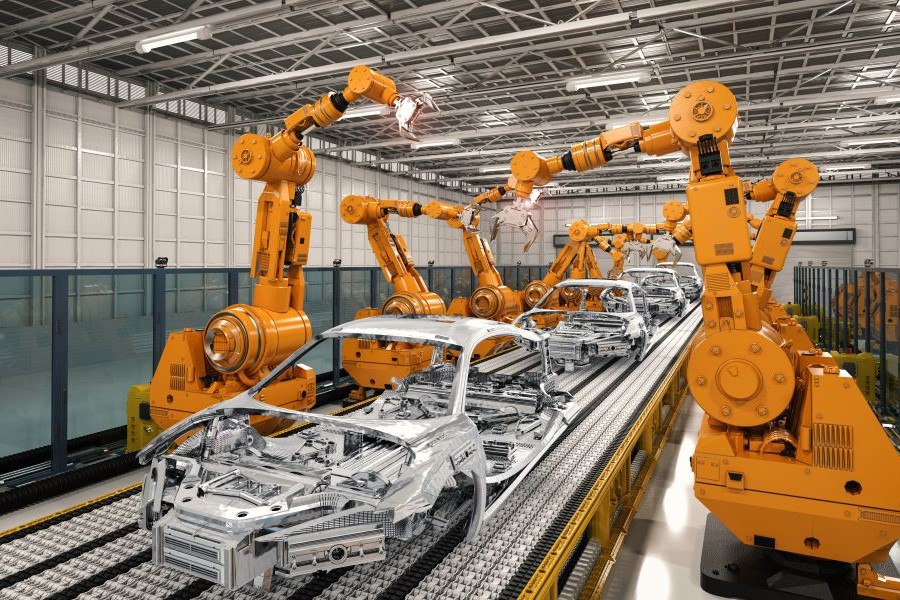


No part of the economy feels technological change more directly than the labor market. Automation, artificial intelligence, and digital platforms are redefining what work looks like and what skills are valuable.
On one hand, technology eliminates certain jobs. Routine, repetitive tasks—both manual and cognitive—are increasingly automated. This includes manufacturing roles, data entry, basic accounting, and even some customer service functions.
On the other hand, technology creates new roles. Data analysts, machine learning engineers, digital marketers, UX designers, cybersecurity specialists, and remote collaboration managers barely existed a generation ago. Many of today’s fastest-growing jobs didn’t exist when current workers were in school.
The challenge lies in transition. Job creation and job displacement don’t happen in the same places or at the same speed. Workers without access to reskilling face economic insecurity, while companies struggle to find qualified talent.
Remote work is another labor-market shift. Technology decouples work from location, changing urban economies, real estate markets, and global wage competition. A skilled worker in one country can now compete for jobs anywhere, benefiting some while pressuring others.
The key economic lesson is adaptation. Economies that invest in education, lifelong learning, and worker mobility are better positioned to turn technological change into inclusive growth.
Benefits and Use Cases of Technology and Economy
Understanding technology and economy becomes clearer when you look at real-world use cases. The benefits show up differently depending on who you are and what role you play.
For businesses, technology improves efficiency, scalability, and insight. Data analytics helps companies understand customers. Automation reduces costs and errors. Digital marketing expands reach. Cloud tools allow rapid experimentation without heavy capital investment.
For individuals, technology creates access. Online education lowers barriers to skill acquisition. Digital banking brings financial services to underserved populations. Remote work expands career options beyond geographic limits.
For governments, technology enhances service delivery and policy design. Digital tax systems improve compliance. Smart infrastructure reduces waste. Data-driven policy analysis leads to better-targeted social programs.
For developing economies, technology can leapfrog traditional stages of growth. Mobile payments, for example, allowed regions without widespread banking infrastructure to participate in formal economies.
Concrete examples include:
E-commerce platforms enabling small sellers to reach global markets
Telemedicine expanding healthcare access in rural areas
EdTech platforms providing affordable education at scale
Fintech solutions reducing transaction costs and improving financial inclusion
These benefits don’t eliminate trade-offs, but they demonstrate why technology remains central to economic progress.
Step-by-Step Guide: How Technology Integrates Into an Economy
Technology doesn’t transform an economy overnight. It follows a pattern that repeats across industries and countries. Understanding this process helps leaders and individuals make better decisions.
The first step is infrastructure. Reliable electricity, internet access, and hardware form the foundation. Without these, advanced technologies remain inaccessible or inefficient.
Next comes adoption. Businesses and consumers begin using technology to solve real problems. Early adopters experiment, while others observe results. Adoption accelerates when benefits become obvious and costs drop.
The third step is integration. Technology becomes embedded in workflows, regulations, and business models. At this stage, productivity gains materialize, and competitive dynamics shift.
Then comes disruption. Legacy systems struggle to compete. Some firms fail, others adapt, and new entrants emerge. Labor markets adjust, often unevenly.
Finally, regulation and optimization follow. Governments update rules, education systems adapt, and society learns to manage risks like inequality, privacy, and market concentration.
Best practices during this process include:
Investing early in digital literacy and skills
Encouraging experimentation while managing risk
Supporting workers through reskilling and transition programs
Updating regulations without stifling innovation
Economies that manage these steps deliberately tend to see more sustainable and inclusive outcomes.
Tools, Comparisons, and Recommendations
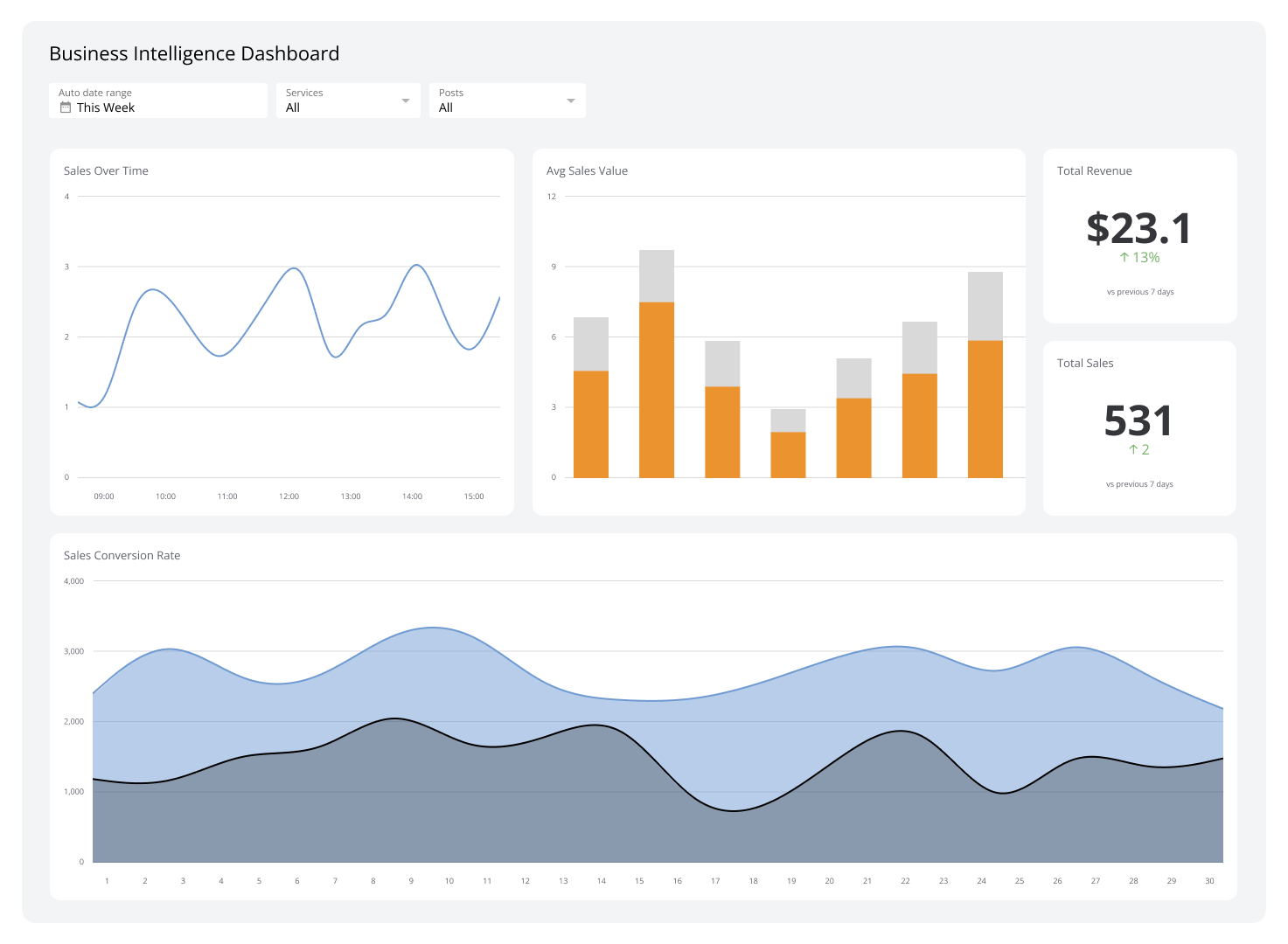

The tools driving technology and economy vary by sector, but several categories consistently deliver economic impact.
Cloud computing platforms allow organizations to scale operations without owning physical infrastructure. They reduce capital expenditure and accelerate innovation. The trade-off is dependency on providers and ongoing subscription costs.
Data analytics and business intelligence tools turn raw data into actionable insight. These tools improve forecasting, customer understanding, and operational efficiency. The main challenge is data quality and the skills needed to interpret results.
Automation and AI tools handle repetitive tasks and complex analysis. They boost productivity but require careful implementation to avoid bias, over-automation, or workforce backlash.
Comparing free versus paid tools often comes down to scale and reliability. Free tools work well for experimentation and small teams. Paid solutions offer security, support, and advanced features that matter at scale.
Expert recommendations emphasize alignment. The best tool is the one that solves a specific economic problem without creating unnecessary complexity. Technology should support strategy, not replace it.
Common Mistakes and How to Fix Them
Despite the promise of technology, many economic initiatives fail due to avoidable mistakes.
One common error is technology-first thinking. Organizations adopt tools without clear economic goals, leading to wasted investment. The fix is to start with a business or policy problem and choose technology accordingly.
Another mistake is underestimating human factors. Resistance to change, skill gaps, and cultural inertia can derail even the best systems. Investing in training and communication is essential.
Short-term cost cutting is another pitfall. Automating too aggressively without considering long-term value can harm service quality and brand trust. A balanced approach works better.
Finally, ignoring inequality risks backfires. When technology benefits a narrow group, social and political backlash can slow progress. Inclusive design and policy matter.
Recognizing these patterns early allows leaders to course-correct before costs escalate.
The Role of Policy, Institutions, and Global Dynamics
Technology and economy don’t operate in a vacuum. Institutions and policies shape outcomes. Organizations like the World Bank and the International Monetary Fund study how digital transformation affects growth, inequality, and stability across countries.
Trade rules, tax systems, education policy, and competition law all influence whether technology concentrates wealth or spreads opportunity. Global coordination is increasingly important as digital activity crosses borders effortlessly.
Geopolitics also plays a role. Control over critical technologies affects national security and economic leverage. This reality explains rising investment in domestic tech ecosystems and strategic regulation.
Conclusion
Technology and economy are inseparable forces shaping modern life. Technology accelerates growth, reshapes work, and expands opportunity, but it also introduces disruption and inequality if poorly managed. The difference between prosperity and instability lies in how societies adapt.
For individuals, the lesson is continuous learning and flexibility. For businesses, it’s strategic adoption grounded in real value. For governments, it’s investing in people, infrastructure, and fair rules of the game.
The future isn’t about choosing technology or economy. It’s about aligning them so innovation serves broad-based prosperity. If you found this guide useful, consider sharing your perspective or exploring how these trends apply to your own industry or career path.
FAQs
What does technology and economy mean in simple terms?
It refers to how technological innovation influences economic growth, jobs, productivity, and wealth distribution, and how economic forces shape technology adoption.
How does technology affect economic growth?
Technology increases productivity, creates new industries, lowers costs, and expands markets, all of which contribute to growth.
Does technology destroy more jobs than it creates?
It displaces some jobs but creates others. The net effect depends on education, policy, and how quickly workers can reskill.
Why is the digital economy so powerful?
Because digital products scale globally at low marginal cost, allowing rapid growth and high returns.
How can individuals benefit from technology-driven economies?
By building digital skills, embracing lifelong learning, and leveraging online platforms for work, education, and entrepreneurship.

Adrian Cole is a technology researcher and AI content specialist with more than seven years of experience studying automation, machine learning models, and digital innovation. He has worked with multiple tech startups as a consultant, helping them adopt smarter tools and build data-driven systems. Adrian writes simple, clear, and practical explanations of complex tech topics so readers can easily understand the future of AI.