
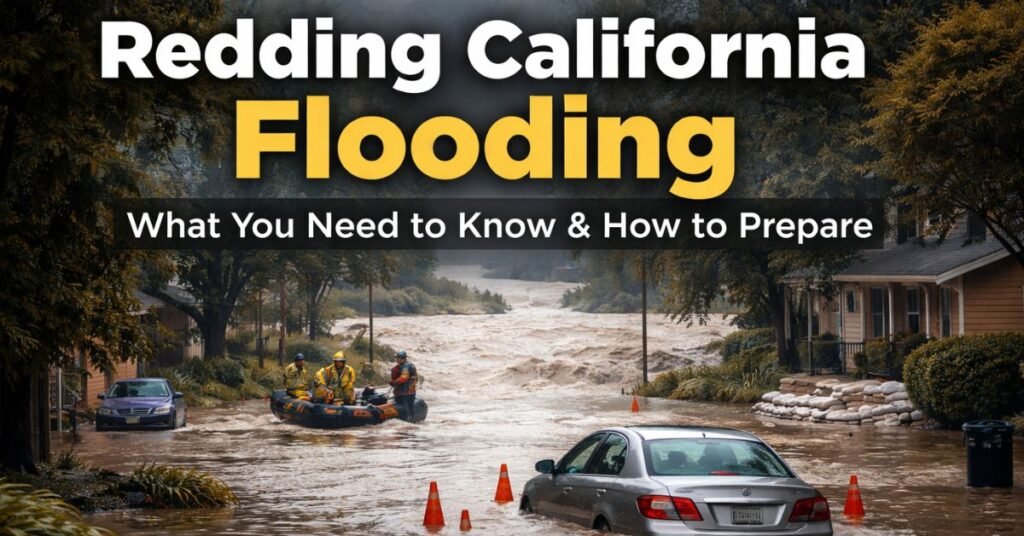
Introduction: When the River Rises, Everything Changes
If you’ve lived in or around Redding long enough, you know flooding isn’t just a headline — it’s a lived experience. I still remember standing ankle-deep in cold, muddy water near a normally quiet street off the Sacramento River, watching neighbors scramble to move cars and sandbag doorways. That moment drove home a hard truth: Redding California flooding isn’t a distant possibility — it’s a recurring reality.
In recent years, flood advisories, stranded vehicles, road closures, and evacuation warnings have become increasingly common across Northern California. Heavy rain, saturated soil, and sudden runoff from surrounding hills can turn calm creeks into raging channels overnight.
This article is here to help you understand what’s really behind Redding California flooding, how it affects residents and businesses, and — most importantly — what you can do to prepare, respond, and recover with confidence. Whether you’re a homeowner, renter, business owner, or just someone who wants to stay informed, you’ll walk away with practical, real-world guidance you can actually use.
Understanding Redding California Flooding (In Plain English)
Flooding in Redding isn’t random, and it’s not just “too much rain.” It’s the result of several factors stacking up at the same time — kind of like a traffic jam where everything goes wrong at once.
Redding sits in a unique geographic position. It’s surrounded by foothills, fed by multiple waterways, and heavily influenced by seasonal weather systems that bring intense rainfall over short periods. When storms hit hard and fast, the ground can’t absorb water quickly enough. That excess water has to go somewhere — and often, that “somewhere” is streets, homes, and low-lying areas.
Here’s how Redding California flooding typically unfolds:
- Heavy rainfall saturates soil rapidly
- Runoff from nearby hills flows downhill into creeks and drains
- Storm drains clog with debris like leaves and sediment
- Rivers and creeks swell, sometimes spilling over their banks
Think of it like overfilling a bathtub while the drain is partially clogged. Eventually, water spills over the edge — and that overflow causes damage fast.
Flooding can range from minor street pooling to serious events that strand vehicles, damage property, and disrupt daily life. And because many floods develop quickly, people are often caught off guard.
Why Flooding Is Becoming More Common in Redding
One question I hear constantly is: “Has flooding always been this bad?” The honest answer is no — and yes. Flooding has always existed here, but several modern factors are making it more frequent and more disruptive.
Climate Patterns and Intense Storms
Storms today tend to dump more rain in shorter timeframes. That intensity overwhelms drainage systems that were designed decades ago for milder conditions.
Urban Development
As Redding grows, more land is covered by pavement and rooftops. These surfaces don’t absorb water — they send it rushing into streets and storm drains.
Burn Scars and Soil Damage
Wildfires in Northern California have damaged soil structure. Burned land absorbs less water, increasing runoff during storms and raising flood risk downstream.
Aging Infrastructure
Some drainage systems simply weren’t built for current weather extremes. Even well-maintained systems can struggle under modern conditions.
All of this means Redding California flooding is not just a seasonal inconvenience — it’s a planning and preparedness issue.
Real-World Impacts: Who Flooding Affects Most (And How)
Flooding doesn’t hit everyone equally. Some areas and groups feel the effects more sharply than others.
Homeowners and Renters
- Water intrusion into homes
- Mold growth after flooding
- Expensive repairs not always fully covered by insurance
Drivers and Commuters
- Flooded roads that look passable but aren’t
- Vehicles stalling in standing water
- Sudden road closures disrupting commutes
Small Businesses
- Temporary closures
- Inventory damage
- Lost income during cleanup
Vulnerable Populations
- Seniors and people with mobility challenges
- Residents in low-lying neighborhoods
- Those without access to emergency alerts
Flooding isn’t just physical damage — it’s emotional stress, financial strain, and long-term recovery.
Step-by-Step: How to Prepare for Redding California Flooding
Preparation is where most people either succeed or struggle. I’ve seen firsthand that small steps taken early make a massive difference later.
Step 1: Know Your Flood Risk
Start by understanding your location:
- Are you near a creek, river, or drainage channel?
- Has your street flooded before?
- Do neighbors have flood stories?
Local knowledge is often more valuable than any map.
Step 2: Sign Up for Alerts
Enable emergency notifications from local authorities and weather services. Early warnings buy you time — and time saves property.
Step 3: Prepare Your Home
- Clear gutters and storm drains regularly
- Install door barriers or sandbags if needed
- Elevate valuable items off the floor
- Seal foundation cracks
Step 4: Have an Evacuation Plan
Know:
- At least two safe routes out
- Where you’ll go if asked to evacuate
- How to transport pets safely
Step 5: Build a Flood Kit
Include:
- Flashlights and batteries
- Important documents in waterproof bags
- Medications
- Non-perishable food and water
Preparedness isn’t panic — it’s peace of mind.
Tools, Resources, and Expert Recommendations
When it comes to flood readiness, tools matter — but only if you use them correctly.
Free Resources
Weather Alerts & Apps
- Reliable weather apps with push notifications
- County emergency alert systems
Community Updates
- Local radio stations
- Neighborhood social media groups
Paid Options Worth Considering
Flood Insurance
- Often not included in standard homeowners insurance
- Essential for high-risk areas
Water Sensors
- Smart sensors alert you when water is detected
- Affordable and easy to install
Expert Tip
If you’re unsure whether flood insurance is worth it, ask yourself this: Could I afford to rebuild without it? For many families, the answer is no.
Common Flooding Mistakes (And How to Avoid Them)
I’ve watched people make the same mistakes year after year — often with costly results.
Mistake #1: Driving Through Standing Water
Fix: Turn around. It only takes a few inches of moving water to stall a vehicle.
Mistake #2: Waiting Too Long to Act
Fix: Take warnings seriously, even if past storms “weren’t that bad.”
Mistake #3: Assuming Insurance Covers Everything
Fix: Review policies carefully and fill gaps before flood season.
Mistake #4: Ignoring Drainage Maintenance
Fix: Clear debris regularly — prevention beats cleanup every time.
The Bigger Picture: Why Flood Awareness Matters
Redding California flooding isn’t just about weather — it’s about resilience. Communities that prepare, communicate, and respond effectively recover faster and suffer less damage.
Flood awareness helps:
- Reduce emergency response strain
- Protect vulnerable neighbors
- Minimize long-term economic damage
Prepared communities don’t eliminate risk — they manage it intelligently.
Conclusion: Prepared, Not Powerless
Flooding may be part of life in Northern California, but being unprepared doesn’t have to be. Understanding Redding California flooding, recognizing warning signs, and taking proactive steps can dramatically reduce damage, stress, and uncertainty.
The goal isn’t fear — it’s readiness. When the rain comes, you should feel informed, capable, and confident in your next move.
If you’ve experienced flooding in Redding or have tips to share, drop a comment below. Your experience might help someone else stay safe. Click here for more blog posts.
Frequently Asked Questions About Redding California Flooding
1. Is Redding prone to flooding every year?
Not every year, but seasonal storms make flooding a recurring risk, especially during heavy rainfall periods.
2. What areas flood most often in Redding?
Low-lying neighborhoods near rivers, creeks, and poor drainage zones are most vulnerable.
3. Does homeowners insurance cover flood damage?
Typically no. Flood insurance is usually a separate policy.
4. How fast can flooding happen?
Flash flooding can occur within hours of intense rainfall.
5. Is it safe to drive during flood advisories?
Only if roads are clear. Never drive through standing or moving water.
6. What should I do if my home floods?
Ensure safety first, shut off utilities if safe, document damage, and contact insurance.
7. Are flood risks increasing in Redding?
Yes, due to climate patterns, development, and infrastructure strain.
8. How can renters protect themselves?
Renters insurance, emergency kits, and knowing evacuation routes are key.
9. Can businesses reduce flood losses?
Yes, through preparedness plans, insurance, and elevated storage.
10. Where can I get real-time flood updates?
Local emergency alerts, weather apps, and county announcements are best.

Hannah Price is a digital journalist who covers breaking news, global events, and trending stories with accuracy and speed. She has previously contributed to several online magazines and has built a reputation for verifying facts before publishing. Hannah believes in responsible reporting and aims to present stories in a way that readers can trust.