
Introduction
If you’ve recently driven past an Outback Steakhouse you used to frequent and noticed the lights off—or heard rumors about Outback Steakhouse restaurant closures—you’re not alone. Searches for closures have surged as longtime customers, employees, and even investors try to understand what’s actually happening behind the scenes. Is the brand in trouble? Are these closures temporary, permanent, or part of a bigger strategy?
This topic matters because Outback isn’t just another casual dining chain. For decades, it’s been a staple for families, date nights, celebrations, and steady restaurant jobs across the U.S. and beyond. When locations close, it affects local communities, workers’ livelihoods, commercial real estate, and consumer confidence in the casual dining sector.
In this guide, you’ll get a clear, no-hype breakdown of Outback Steakhouse restaurant closures: what they are, why they happen, how to tell if your local restaurant is affected, and what it all means going forward. We’ll look at real-world patterns, practical takeaways, and smart ways to stay informed—without panic or speculation.
What “Outback Steakhouse Restaurant Closures” Really Means


4
When people hear “restaurant closures,” the immediate assumption is financial distress. In reality, Outback Steakhouse restaurant closures can mean several different things—and lumping them together often leads to confusion.
First, closures can be permanent. These usually happen when a location underperforms for a sustained period, lease terms expire under unfavorable conditions, or the surrounding trade area changes. For example, a restaurant built around heavy office traffic may struggle if remote work permanently reduces weekday lunch crowds.
Second, there are temporary closures. These may be due to renovations, staffing shortages, supply chain disruptions, or short-term market conditions. A temporarily closed Outback often reopens with refreshed interiors, updated menus, or revised operating hours.
Third, closures can be strategic exits. Like many large chains, Outback periodically trims locations to focus resources on higher-performing markets. This is less about survival and more about optimization—similar to pruning a tree so healthier branches grow stronger.
The key point: Outback Steakhouse restaurant closures don’t automatically mean the brand is collapsing. They usually reflect a combination of market realities, consumer behavior shifts, and corporate strategy rather than a single crisis.
Why Outback Steakhouse Locations Are Closing in Certain Areas

4
Understanding why Outback Steakhouse restaurant closures happen requires zooming out to the broader casual dining landscape. Several overlapping forces are at play.
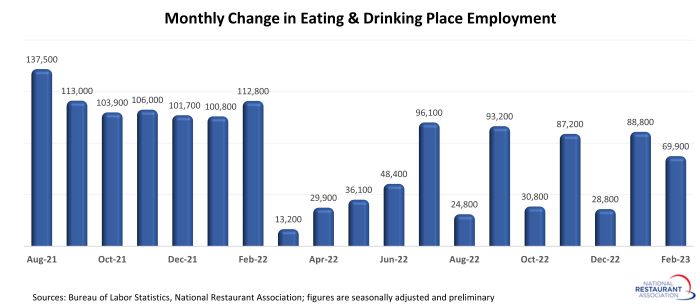
Rising operating costs are a major factor. Labor, food, utilities, and rent have all increased significantly in recent years. Steakhouses are particularly sensitive to beef price volatility, and margins can shrink quickly if menu prices don’t keep pace with costs.
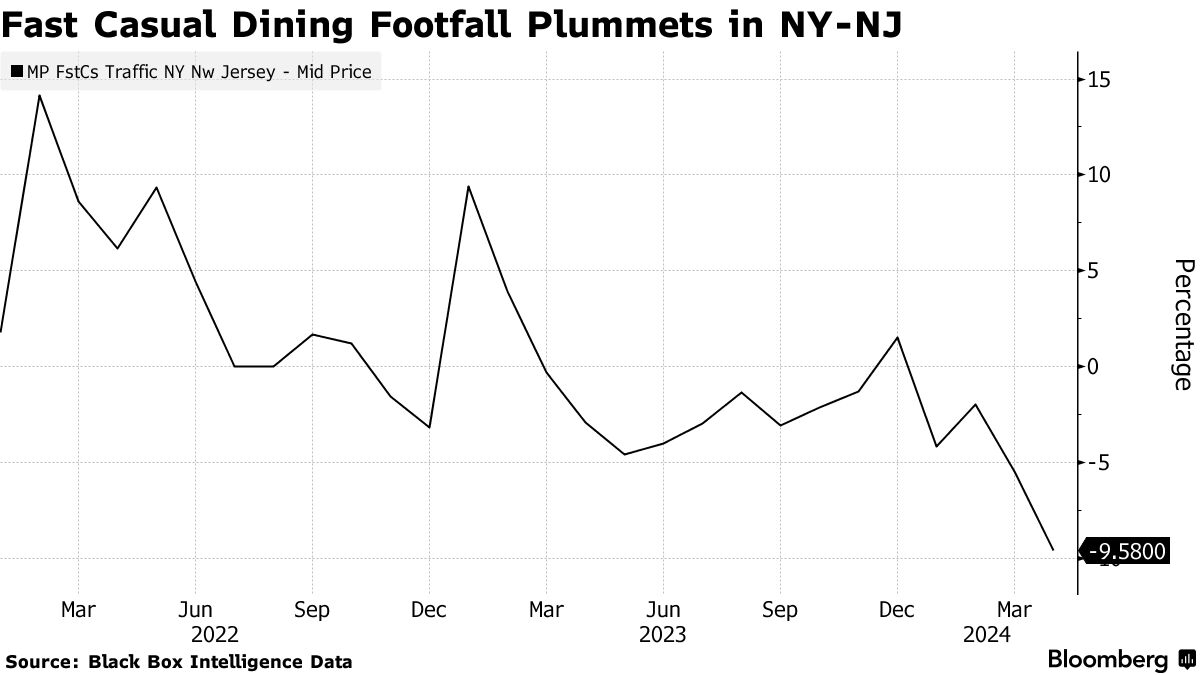
Shifting dining habits also matter. Many consumers now favor fast-casual, delivery-friendly, or locally owned concepts. While Outback remains popular for sit-down meals, some locations struggle in markets where foot traffic has declined or competition has intensified.
Real estate challenges play a role as well. Older Outback locations were often built as large, standalone units. In areas where property values rise or redevelopment accelerates, landlords may prefer tenants with smaller footprints or higher per-square-foot returns.
Finally, portfolio optimization is key. Outback’s parent company regularly evaluates performance by region. Closing weaker locations allows investment in remodels, technology, menu innovation, and stronger markets. In many cases, closures are less about losses and more about reallocating capital more efficiently.
Who Is Most Affected by Outback Steakhouse Restaurant Closures
Outback Steakhouse restaurant closures don’t impact everyone equally. The effects ripple outward in different ways depending on who you are.
Employees are the most directly affected. Closures can mean job loss, transfers to other locations, or reduced hours. For long-tenured staff, a closure can feel personal—many have built careers and relationships at their local Outback.
Regular customers lose a familiar gathering place. For some communities, especially suburban or smaller markets, an Outback may have been one of the few full-service dining options for years.
Local economies feel secondary impacts. Closed restaurants affect nearby retailers, reduce sales tax revenue, and leave vacant properties that can take time to refill.
Investors and industry watchers see closures as signals. Not just about Outback itself, but about the health of casual dining as a whole. Patterns of closures often influence stock sentiment, expansion strategies, and competitor behavior.
Understanding these different perspectives helps explain why news or rumors about Outback Steakhouse restaurant closures generate such strong reactions.
How to Check If Your Local Outback Steakhouse Is Closing (Step-by-Step)
If you’re trying to confirm whether an Outback near you is closing, guessing or relying on social media rumors isn’t enough. Here’s a practical, reliable process.
Start with official channels. Check the restaurant locator on Outback’s official website. Locations marked as “temporarily closed” or missing entirely often signal changes. Follow up by calling the location directly if phone service is active.
Next, review local news coverage. Regional outlets frequently report on restaurant closures, especially when they involve layoffs or redevelopment. These reports usually include confirmation from management or corporate spokespeople.
Then, look at public signage and permits. Permanent closures often involve “for lease” signs, removal of branding, or posted notices about final operating dates. Temporary closures usually display reopening timelines.
You can also monitor job listings. If positions disappear entirely rather than pause, that can indicate a permanent shutdown.
Finally, check community forums cautiously. Platforms like neighborhood groups can provide early clues, but always verify with official sources. Rumors spread fast; confirmation takes patience.
This step-by-step approach helps you separate facts from speculation when tracking Outback Steakhouse restaurant closures.
Tools, Comparisons, and Smart Ways to Stay Informed

4
Staying informed about Outback Steakhouse restaurant closures doesn’t require insider access—just the right tools and habits.
Free tools include Google Maps and Apple Maps. Both often update location statuses quickly. User photos, reviews, and “permanently closed” tags can provide early signals, though they’re not always perfect.
Local business registries and city permit portals are underrated resources. Renovation permits suggest temporary closures, while demolition or zoning changes often signal permanent exits.
Industry news sites offer broader context. They help you understand whether a closure is isolated or part of a larger trend affecting casual dining chains nationwide.
For deeper insights, commercial real estate listings can be revealing. If a former Outback appears listed for lease or redevelopment, that’s a strong indicator of permanent closure.
The key comparison here is speed versus accuracy. Social media is fast but unreliable; official sources are slower but accurate. The smartest approach combines both—watch for early signals, then confirm through trusted channels.
Common Mistakes People Make When Interpreting Closures—and How to Avoid Them
One of the biggest mistakes is assuming that every closure means financial trouble. As discussed earlier, many Outback Steakhouse restaurant closures are strategic decisions, not distress signals.
Another common error is confusing temporary closures with permanent ones. Renovations, staffing resets, or seasonal pauses can look alarming at first glance. Always look for reopening dates or official statements before drawing conclusions.
People also tend to overgeneralize from one location. A closure in one city doesn’t automatically predict nationwide shutdowns. Restaurant performance is hyper-local, influenced by demographics, traffic patterns, and competition.
Finally, there’s the mistake of ignoring timing and context. Closures clustered around lease renewal periods or economic slowdowns often follow predictable cycles.
Avoiding these mistakes means slowing down, verifying information, and viewing Outback Steakhouse restaurant closures as part of a complex business ecosystem rather than isolated events.
What Outback Steakhouse Restaurant Closures Signal About the Future
Outback Steakhouse restaurant closures offer clues about where casual dining is heading—not just where it’s been.
Expect fewer but stronger locations. Chains are increasingly focused on profitable units with modern layouts, strong off-premise capabilities, and loyal customer bases.
Menu innovation and operational efficiency will matter more than sheer footprint. Investing in technology, staff training, and supply chain resilience often delivers better returns than maintaining underperforming stores.
For customers, this could mean better experiences at surviving locations—cleaner interiors, streamlined menus, and more consistent service.
For workers, the future may involve consolidation but also opportunity, especially at high-performing restaurants that absorb staff from closed locations.
In short, Outback Steakhouse restaurant closures don’t necessarily signal decline. They often mark transition—and understanding that distinction helps everyone respond more rationally.
Conclusion
Outback Steakhouse restaurant closures can feel unsettling, especially when they affect familiar places or personal livelihoods. But when viewed clearly and calmly, most closures reflect adaptation rather than collapse. Rising costs, changing dining habits, and strategic realignment are reshaping the casual dining industry, and Outback is adjusting along with it.
By understanding what closures really mean, who they affect, and how to verify accurate information, you’re better equipped to navigate the headlines without panic. Whether you’re a diner, employee, or observer of restaurant trends, knowledge replaces rumor—and context replaces fear.
If you’ve noticed changes at your local Outback or want to stay ahead of restaurant industry shifts, keep an eye on official updates, local reporting, and broader market trends. And if you’ve got firsthand experience with a closure, sharing your story can help others make sense of what’s happening.
FAQs
Are Outback Steakhouse restaurants closing permanently?
Some locations close permanently, but others are temporary or strategic exits. Each case depends on local performance and lease conditions.
How can I tell if my Outback Steakhouse is closing soon?
Check the official website, call the restaurant, review local news, and look for public signage or permits.
Is Outback Steakhouse going out of business?
No. Closures are typically part of portfolio optimization, not a sign of company-wide failure.
Do closures mean the food or service was bad?
Not necessarily. Many closures occur despite positive customer feedback due to costs, location changes, or lease issues.
Will closed locations reopen later?
Temporary closures may reopen after renovations or staffing resets. Permanent closures usually do not.

Michael Grant is a business writer with professional experience in small-business consulting and online entrepreneurship. Over the past decade, he has helped brands improve their digital strategy, customer engagement, and revenue planning. Michael simplifies business concepts and gives readers practical insights they can use immediately.