
Introduction
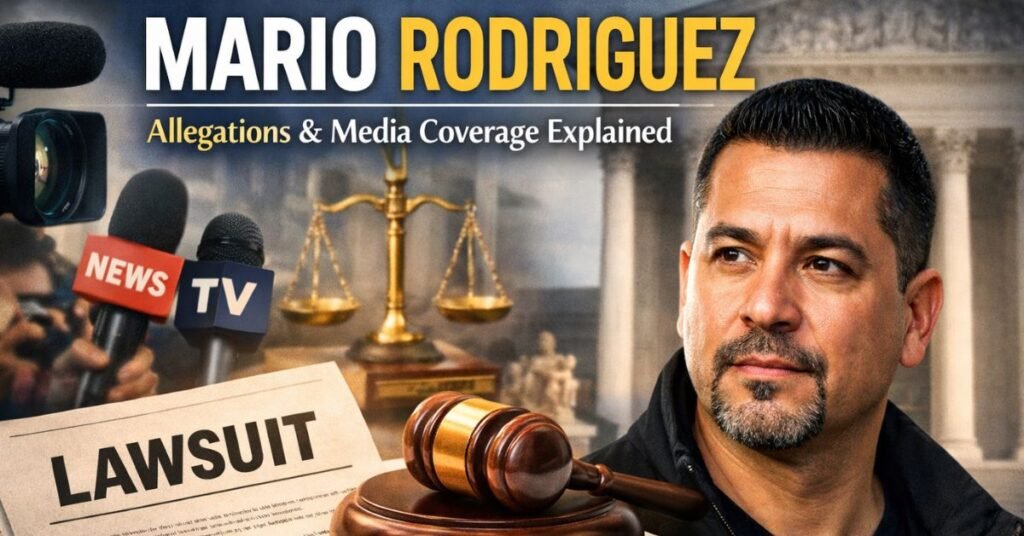
If you’ve seen the name mario rodriguez trending across entertainment headlines and legal commentary lately, you’re not alone. I remember the first time a reader emailed me asking, “Who exactly is Mario Rodriguez—and why is every outlet suddenly mentioning him?” That question captures the moment we’re in: fast-moving news cycles, serious allegations, and a public trying to understand facts without the noise.
This topic matters because it sits at the intersection of media literacy, legal process, and public accountability. When allegations surface—especially involving high-profile figures—names that were previously private can become public overnight. In this guide, I’ll walk you through who Mario Rodriguez is in the context of recent coverage, how to read and interpret what’s being reported, what the legal process actually looks like, and how to avoid common misunderstandings. My goal is clarity, balance, and practical insight—so you leave informed rather than overwhelmed.
Who Is Mario Rodriguez (in Simple Terms)?
In recent reporting, Mario Rodriguez is referenced as an individual connected to allegations described in court filings and covered by major outlets. Importantly, that phrasing matters. Media stories often rely on allegations and claims as presented in lawsuits; those are not findings of fact or verdicts.
Think of a lawsuit like a formal letter to the court that says, “Here is what I claim happened, and here is why I believe the law was violated.” It is the beginning of a process, not the end. Coverage may summarize what the filing alleges, quote attorneys, and provide context—but courts determine outcomes.
Why does the name surface so prominently? Because legal filings identify parties, and journalists report what’s in those documents. When the case involves prominent entertainment figures or studios, the spotlight intensifies. Understanding this framework helps readers separate reporting from rulings, and allegations from adjudicated facts.
Where is this commonly used? In:
- Court filings and motions
- Investigative reporting and follow-ups
- Industry analysis on accountability and standards
Why Understanding This Matters
Staying informed—without jumping to conclusions—has real-world benefits.
Practical benefits
- Media literacy: You learn how to parse headlines versus substance.
- Legal awareness: You understand what a lawsuit can (and can’t) prove at early stages.
- Responsible sharing: You avoid amplifying misinformation on social platforms.
Use cases
- Readers & fans trying to understand what’s actually happening
- Creators & professionals navigating reputational risk in the public eye
- Students & researchers examining how allegations are reported
Who this is for
- Anyone consuming entertainment news
- People who value accuracy and nuance
Who should be cautious
- Those seeking instant conclusions or verdicts from headlines alone
How to Read Coverage About Mario Rodriguez Responsibly
Step 1: Start with the source
Major outlets summarize filings, often linking to original documents. Look for phrases like “according to the complaint” or “the lawsuit alleges.”
Step 2: Separate claims from outcomes
A filed complaint ≠ a judgment. Track whether a case is at the motion stage, discovery, settlement talks, or trial.
Step 3: Watch the language
Responsible reporting uses conditional language. Be skeptical of posts that declare guilt or innocence prematurely.
Step 4: Check for responses
Balanced pieces include responses or denials from named parties and note when those responses are pending.
Step 5: Follow updates over time
Early articles rarely tell the whole story. Outcomes develop months—or years—later.
Best practices
- Read more than one outlet
- Avoid sharing unverified summaries
- Bookmark court docket updates when available
Tools, Comparisons & Recommendations
Primary tools
- Court dockets (official filings)
- Reputable outlets with legal editors
Free vs. paid
- Free news articles provide summaries
- Paid legal databases offer full filings and timelines
Pros & cons
- News summaries: Fast, accessible, but condensed
- Primary documents: Accurate, detailed, but technical
Expert recommendation
Start with a reputable outlet for context, then consult original filings if you need depth. Avoid commentary channels that conflate opinion with reporting.
Common Mistakes & Fixes
Mistake 1: Treating allegations as facts
Fix: Look for procedural language and case status.
Mistake 2: Ignoring timelines
Fix: Note filing dates and subsequent motions.
Mistake 3: Sharing screenshots without context
Fix: Share links with summaries that explain what’s alleged—and what’s not proven.
Mistake 4: Overlooking responses
Fix: Seek follow-up articles that include all sides.
Conclusion
The surge of interest around mario rodriguez reflects how quickly private individuals can become public figures through legal processes and media coverage. The key takeaway is simple but powerful: read carefully, think critically, and follow the process. Lawsuits are beginnings, not endings. By understanding how allegations are reported and adjudicated, you become a more informed, responsible consumer of news. If you found this helpful, explore related explainers on media literacy and legal basics—or bookmark this page for future updates.
FAQs
1. Who is Mario Rodriguez in recent news?
He is an individual named in legal filings discussed by major outlets; coverage summarizes allegations rather than court findings.
2. Are the claims proven?
No. Allegations are claims presented to a court; outcomes depend on the legal process.
3. Why do media outlets name individuals?
Court filings identify parties, and journalists report what’s in public records.
4. How long do cases like this take?
Often months or years, depending on motions, discovery, and trial schedules.
Share responsibly—include context and avoid definitive language.
6. Where can I find primary information?
Official court dockets and reputable news outlets with legal coverage.
7. What’s the difference between a complaint and a verdict?
A complaint starts a case; a verdict resolves it.
8. How can I stay updated without misinformation?
Follow credible outlets and check for official court updates.
9. Does coverage imply guilt or innocence?
Responsible coverage does not; it reports claims and responses.
10. Why is media literacy important here?
Because careful reading protects against false conclusions and reputational harm.

Hannah Price is a digital journalist who covers breaking news, global events, and trending stories with accuracy and speed. She has previously contributed to several online magazines and has built a reputation for verifying facts before publishing. Hannah believes in responsible reporting and aims to present stories in a way that readers can trust.