

Have you ever watched a film where nothing explosive happens—no villains, no twists—yet you’re completely absorbed, emotionally invested, and still thinking about it days later?
That’s the quiet magic of Linklater.
I still remember the first time I watched Before Sunrise. I expected a typical indie romance. Instead, I found myself eavesdropping on a conversation that felt uncomfortably real—like I was sitting across from two strangers on a train. No cinematic tricks. Just time, dialogue, and truth. That experience fundamentally changed how I understood storytelling.
In today’s algorithm-driven, IP-saturated film industry, Richard Linklater’s approach feels almost radical. He trusts audiences. He trusts time. And most importantly, he trusts human conversation.
In this long-form guide, we’re going to unpack what Linklater really represents—not just as a director, but as a philosophy. You’ll learn how his method works, why it resonates so deeply, how it’s used in real-world filmmaking, and how creators, writers, and even marketers can apply Linklater-style thinking to their own work.
Whether you’re a cinephile, a storyteller, or simply someone curious about why his films linger long after the credits roll—this is for you.
Understanding Linklater: What the Term Really Means

When people say “Linklater,” they’re usually referring to the distinctive storytelling approach of Richard Linklater—but it’s more than just a name. It’s shorthand for a creative worldview.
At its core, Linklater’s work revolves around time, dialogue, and ordinary human experience. His films often avoid traditional plot structures. Instead of asking, “What happens next?” they ask, “What does it feel like to be here, right now?”
A Simple Way to Think About Linklater
If most movies are novels, Linklater films are conversations.
They don’t rush toward climaxes. They wander. They observe. They allow silence, contradiction, and unfinished thoughts. This is why his work feels so authentic—it mirrors real life, not heightened cinema.
Why Linklater’s Style Exists
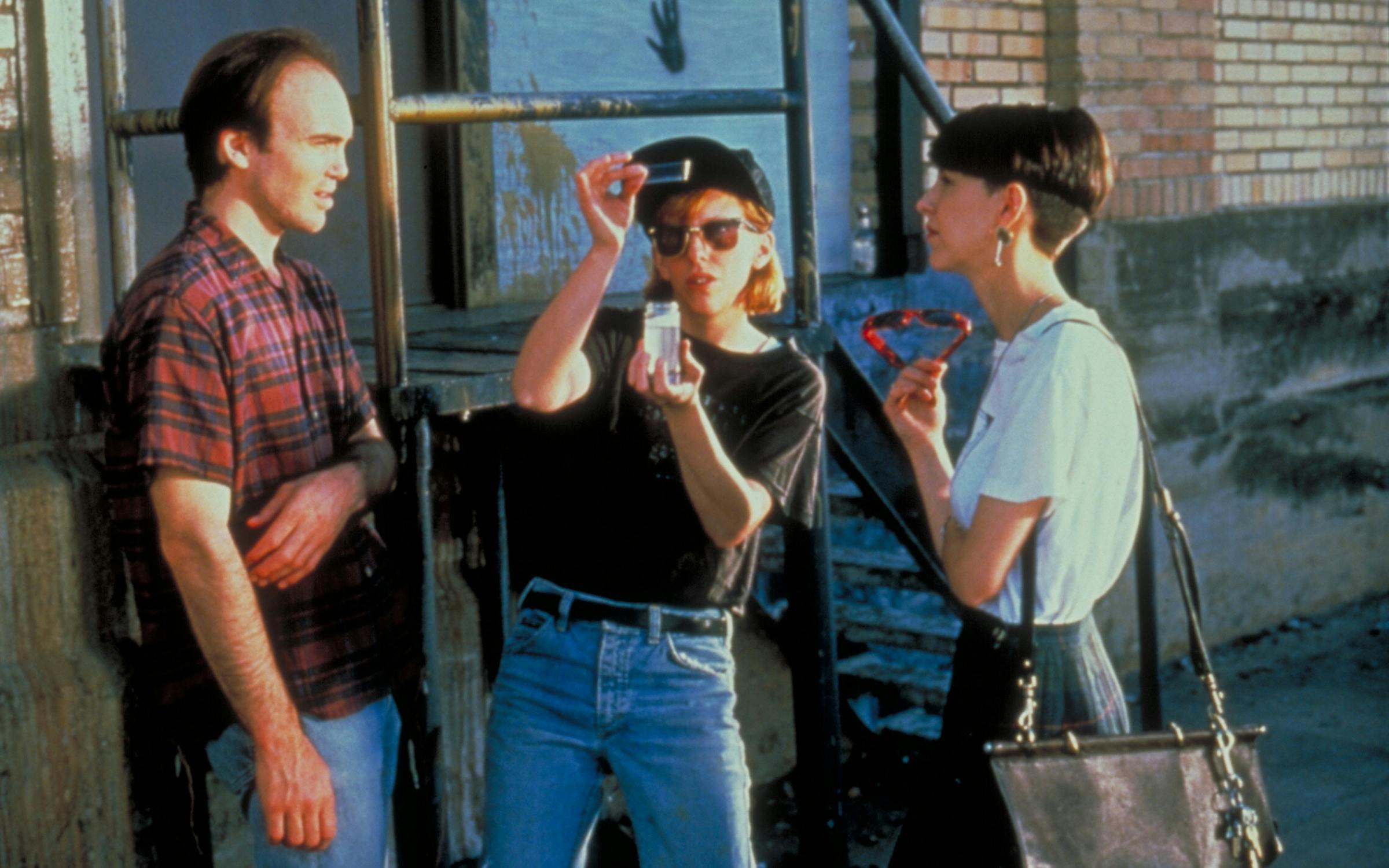
Linklater came up through the indie film scene, notably with Slacker, a film that deliberately rejects a central protagonist. That early experiment set the tone for everything that followed.
He wasn’t interested in spectacle. He was interested in:
- How people talk when no one’s watching
- How beliefs change slowly over time
- How moments, not events, shape identity
This philosophy later evolved into landmark works like Before Sunrise, Boyhood, and Waking Life.
Where Linklater’s Approach Is Commonly Used
While rooted in cinema, the “Linklater style” now influences:
- Independent filmmaking
- Character-driven TV series
- Long-form journalism
- Narrative podcasts
- Even modern brand storytelling
Anywhere depth matters more than drama, you’ll find echoes of Linklater.
Benefits and Real-World Use Cases of Linklater’s Approach


After studying and applying Linklater’s philosophy for years—both as a writer and content strategist—I can tell you this: his approach works because it respects intelligence and emotional nuance.
Practical Benefits
1. Emotional Authenticity
Linklater’s dialogue feels lived-in because it is. He workshops scenes extensively, often allowing actors to shape conversations. The result? Characters who breathe.
2. Timeless Storytelling
Films like Before Sunset age beautifully because they’re rooted in universal human questions—not trends.
3. Deep Audience Connection
Viewers don’t just watch Linklater films; they participate in them. That level of engagement is gold in any medium.
4. Low Reliance on Budget
His films prove you don’t need explosions or VFX to be compelling—just clarity of thought and honesty.
Who This Style Is Best For
Linklater-inspired storytelling works especially well for:
- Indie filmmakers
- Writers focused on character psychology
- Brands telling long-term stories
- Educators and documentarians
- Artists exploring identity and time
Who Should Avoid It
To be honest, this approach isn’t for everyone.
Avoid it if you need:
- Fast-paced action
- Clear heroes and villains
- Short attention spans rewarded quickly
Linklater demands patience—from creators and audiences alike.
A Step-by-Step Guide to Applying the Linklater Method

If you want to use the Linklater approach—rather than just admire it—this is where things get practical.
Step 1: Start With a Question, Not a Plot
Linklater often begins with philosophical or emotional questions:
- What does love feel like at 23 vs 40?
- How does time shape identity?
- What happens when people actually listen?
Write these down first.
Step 2: Build Characters Before Events
Forget story arcs. Instead:
- Define beliefs
- Define contradictions
- Define fears
Let characters talk their way into meaning.
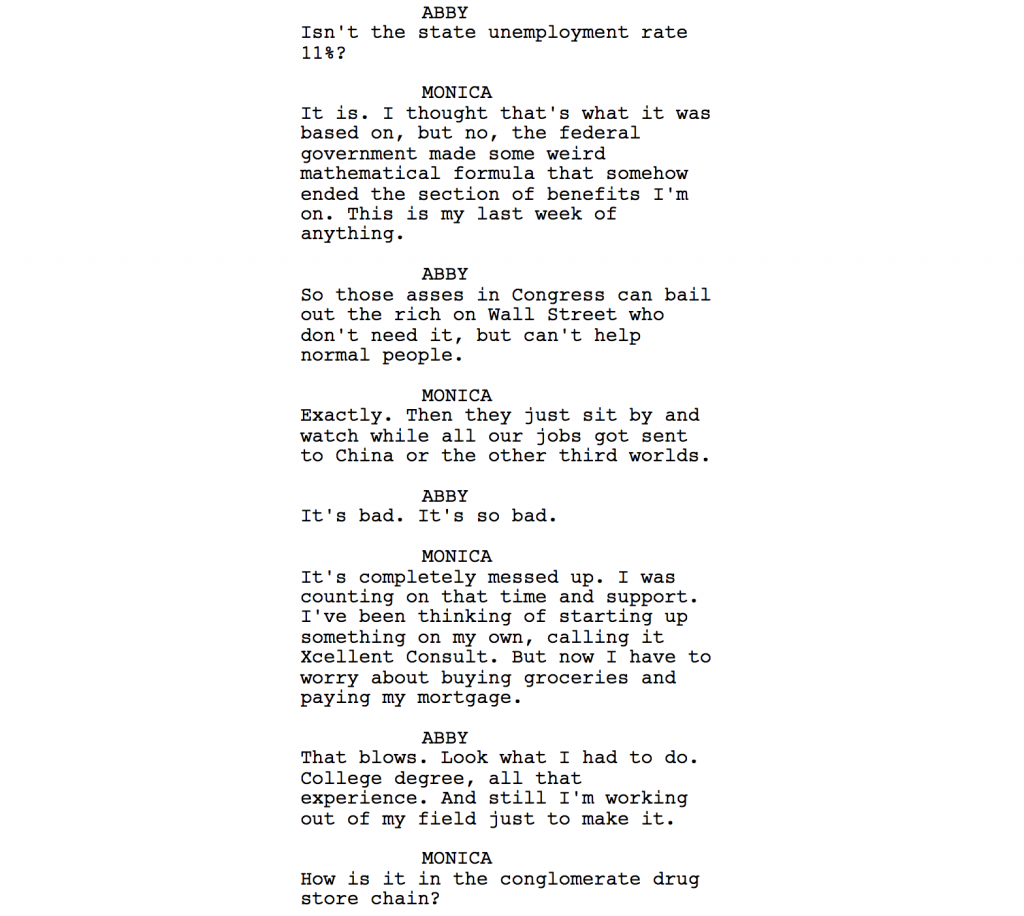
Step 3: Write Dialogue Like Real Speech
Real people:
- Interrupt
- Ramble
- Change their minds
Polish less. Observe more.
Step 4: Let Time Be a Character
In Boyhood, time isn’t a backdrop—it’s the point. Consider:
- Long gaps
- Real aging
- Emotional accumulation
Step 5: Trust the Audience
This is the hardest part.
Don’t explain everything. Let silence and subtext do the work.
Tools, Comparisons, and Expert Recommendations

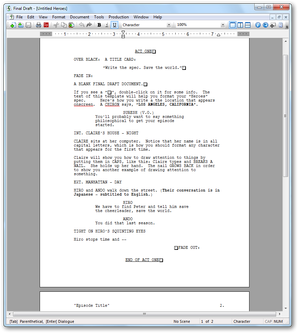
Over the years, I’ve tested countless tools while developing Linklater-inspired projects. Here’s what actually helps.
Writing & Development Tools
Free Options
- Google Docs (for collaborative dialogue work)
- Notion (for character philosophy tracking)
Paid Options
- Final Draft (industry standard for screenplays)
- Scrivener (excellent for long-form narrative structure)
Linklater vs Traditional Hollywood Storytelling
| Aspect | Linklater | Hollywood |
|---|---|---|
| Plot | Minimal | Central |
| Dialogue | Naturalistic | Functional |
| Time | Fluid | Compressed |
| Emotion | Subtle | Heightened |
My Honest Recommendation
If you’re new, start small. Write a 10-page conversation. No plot. No twist. Just truth.
Common Mistakes People Make (And How to Fix Them)
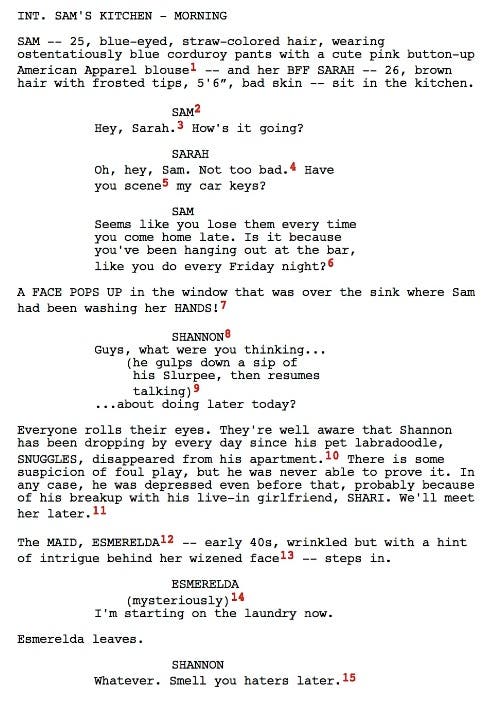


Even experienced creators misapply Linklater’s style. I’ve made these mistakes myself.
Mistake 1: Confusing “Slow” With “Empty”
Fix: Every scene still needs purpose. It just doesn’t need action.
Mistake 2: Overwriting Dialogue
Fix: Cut 20%. Then cut another 10%.
Mistake 3: Forgetting Emotional Stakes
Fix: Ask: What does this character risk by speaking?
Mistake 4: Imitation Without Understanding
Fix: Study the why, not just the surface.
Conclusion: Why Linklater Endures
Linklater isn’t trendy. He isn’t flashy. And that’s exactly why his work lasts.
In a world obsessed with speed, he slows us down. In a culture of noise, he listens. His films remind us that meaning isn’t always found in climactic moments—but in quiet conversations, fleeting connections, and time itself.
If you take one thing away from this guide, let it be this: trust your audience, trust your characters, and trust time.
If you’ve never explored Linklater deeply, start tonight. And if you have—watch again. You’ll notice something new.
FAQs About Linklater
1. What does “Linklater” mean in filmmaking?
It refers to Richard Linklater’s dialogue-driven, time-focused storytelling style.
2. Is Linklater’s style suitable for beginners?
Yes, but it requires patience and strong observational skills.
3. What is Richard Linklater’s most famous film?
Boyhood and the Before Trilogy are his most widely recognized works.
4. Why are Linklater films considered realistic?
Because they prioritize natural dialogue, real-time progression, and emotional honesty.
5. Can Linklater’s approach work outside film?
Absolutely—writing, branding, education, and podcasts benefit greatly.
6. Are Linklater films slow?
They’re deliberate, not slow. The pacing mirrors real life.
7. How long does Linklater spend developing projects?
Often years—sometimes decades.
8. What’s the biggest lesson from Linklater?
Time is the most powerful storytelling tool we have.

Hannah Price is a digital journalist who covers breaking news, global events, and trending stories with accuracy and speed. She has previously contributed to several online magazines and has built a reputation for verifying facts before publishing. Hannah believes in responsible reporting and aims to present stories in a way that readers can trust.