Have you ever opened a programming tutorial, felt excited for five minutes, and then quietly closed the tab thinking, “This isn’t for me”? If yes, you’re not alone. I’ve met countless people who wanted to learn Python but got overwhelmed by jargon, confusing advice, or unrealistic promises like “Become a Python expert in 7 days.”
The truth is, learning Python is absolutely doable—even if you’ve never written a single line of code before. You just need the right approach, realistic expectations, and a roadmap that’s built for humans, not machines.
Python is one of the most beginner-friendly programming languages in the world, yet powerful enough to run companies like Google, Netflix, Spotify, and Instagram behind the scenes. Whether you want a better job, a side hustle, or simply want to understand how technology works, knowing how to learn Python can open doors you didn’t even know existed.
In this guide, I’ll walk you through exactly how to learn Python step by step—from absolute beginner to confident problem-solver. You’ll learn what Python really is, why it’s worth your time, where people go wrong, and how to avoid years of frustration by learning it the smart way.
By the end, you won’t just know what to study—you’ll know how to study Python effectively and consistently.
How to Learn Python the Right Way (Big Picture Overview)
Before we dive into details, let’s zoom out for a moment. When people ask “how to learn Python,” they usually expect a list of courses or books. But learning Python is less about resources and more about process.
Think of Python like learning a spoken language. You don’t become fluent by memorizing the dictionary. You learn by:
- Understanding basic grammar
- Practicing simple conversations
- Making mistakes
- Gradually handling more complex ideas
Python works the same way. You start with fundamentals like variables and loops, then slowly move toward real projects like automating tasks or building small apps.
The right way to learn Python includes:
- Clear fundamentals
- Hands-on practice from day one
- Real-world examples, not abstract theory
- A progression from simple to complex
- Consistency over intensity
If you follow this structure, Python stops feeling “hard” and starts feeling logical—even enjoyable.
What Is Python? A Beginner-Friendly Explanation

Python is a high-level programming language designed to be easy to read, write, and understand. Unlike older languages that feel cryptic, Python looks almost like plain English.
For example, instead of writing complex symbols, Python lets you write:
print("Hello, world!")
That’s it. No complicated syntax. No confusing structure.
A simple analogy:
- Older languages are like driving a manual car in heavy traffic.
- Python is like driving an automatic car with power steering.
Python handles a lot of complexity for you, so you can focus on solving problems instead of fighting the language itself.
Python is also:
- Interpreted (you run code directly)
- Cross-platform (works on Windows, Mac, Linux)
- Open-source (free to use)
- Backed by a massive global community
This combination is exactly why Python is often recommended as the first programming language for beginners.
Why Python Is So Popular (And Why That Matters for Learners)
Popularity isn’t just a popularity contest—it has practical benefits. Python’s popularity means:
- More tutorials
- Better documentation
- Faster help when you’re stuck
- More job opportunities
Python dominates areas like:
- Web development
- Data science
- Artificial intelligence
- Automation and scripting
- Cybersecurity
- Game development
For learners, this means you’re never alone. If you Google a Python problem, someone else has already faced it—and solved it.
That support system dramatically reduces frustration, which is one of the biggest reasons beginners quit.
Benefits and Real-World Use Cases of Learning Python
Learning Python isn’t just about writing code—it’s about solving real problems. Here’s how Python is used in everyday scenarios.
Career Opportunities with Python
Python skills are in demand across industries:
- Software developer
- Data analyst
- Machine learning engineer
- QA automation tester
- DevOps engineer
Many Python-related jobs don’t even require a computer science degree—just practical skills.
Python for Automation (Everyday Magic)
Imagine:
- Automatically renaming hundreds of files
- Extracting data from Excel reports
- Sending emails based on conditions
- Scraping websites for prices or data
Python excels at these tasks and can save hours of manual work.
Python for Data and AI
Python powers:
- Recommendation engines
- Chatbots
- Predictive analytics
- Financial modeling
Libraries like NumPy, Pandas, TensorFlow, and PyTorch make Python the backbone of modern AI.
Python for Beginners and Non-Tech People
Even marketers, writers, and business owners use Python for:
- Data analysis
- SEO automation
- Report generation
- Workflow optimization
Python adapts to you, not the other way around.
Step-by-Step Guide: How to Learn Python from Scratch
This is the heart of the guide. If you follow these steps in order, you’ll build real skill—not just theoretical knowledge.
Step 1: Set Clear Goals Before You Start
Before writing any code, ask yourself:
- Why do I want to learn Python?
- What do I want to build or automate?
- How much time can I realistically commit each week?
Your goal shapes your learning path. Someone learning Python for data science will study different topics than someone learning it for web development.
Clear goals prevent burnout and confusion.
Step 2: Install Python and Set Up Your Environment
Getting started technically is easier than most people think.
You’ll need:
- Python (latest stable version)
- A code editor (VS Code is popular)
- A terminal or command prompt
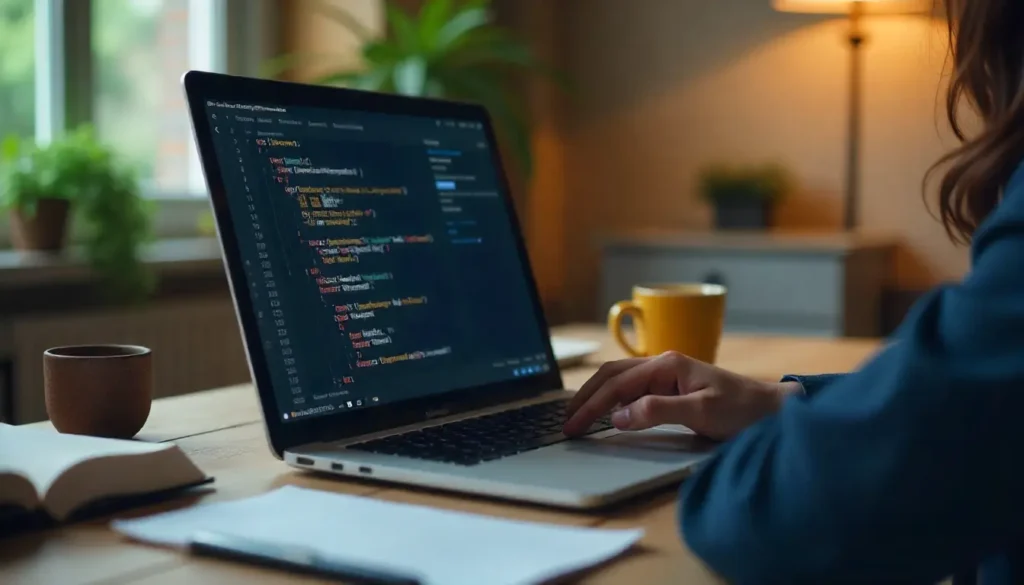
Once installed, test it by running a simple script. That first “Hello, world!” moment matters—it builds confidence.
Avoid overcomplicating setup. Fancy tools can come later.
Step 3: Learn Python Fundamentals (Your Foundation)
This is where beginners should spend the most time.
Key concepts include:
- Variables and data types
- Strings and numbers
- Lists, tuples, and dictionaries
- Conditional statements
- Loops
- Functions
- Basic error handling
Don’t rush this stage. Weak fundamentals cause problems later.
A good rule:
If you can explain a concept in simple words, you understand it.
Step 4: Practice by Writing Small Programs Daily
Reading about Python won’t make you good at Python—writing Python will.
Start with tiny programs:
- A calculator
- A number guessing game
- A to-do list
- A simple text-based game
Each small win builds momentum. Mistakes are not failures—they’re learning signals.
Step 5: Learn How to Debug (This Is a Superpower)
Every programmer, beginner or expert, writes buggy code. The difference is knowing how to fix it.
Learn to:
- Read error messages
- Use print statements
- Break problems into smaller pieces
- Search for solutions effectively
Debugging teaches you more than writing perfect code ever will.
Step 6: Move Into Real Projects
Once basics feel comfortable, start projects that solve real problems.
Examples:
- Automate file organization
- Build a simple web app
- Analyze CSV data
- Create a chatbot
Projects turn knowledge into skill and give you confidence.
Step 7: Learn Libraries and Frameworks Gradually
Python’s power comes from libraries.
Popular ones include:
- Requests (web data)
- Pandas (data analysis)
- Flask/Django (web apps)
- Matplotlib (visualization)
Don’t try to learn everything at once. Choose libraries aligned with your goal.
Best Tools and Resources to Learn Python (Honest Recommendations)
Free Resources
- Official Python documentation (excellent but dense)
- YouTube tutorials (great for visuals)
- Free interactive platforms
Pros:
- Zero cost
- Huge variety
Cons:
- Quality varies
- Easy to get lost
Paid Courses and Platforms
Paid resources often offer:
- Structured paths
- Exercises
- Community support
Pros:
- Faster learning
- Clear progression
Cons:
- Cost
- Not all courses are equal
The key isn’t free vs paid—it’s consistency and practice.
Code Editors and Tools
Recommended tools:
- VS Code
- PyCharm (Community Edition)
- Jupyter Notebook (for data work)
Choose one and stick with it.
Common Mistakes Beginners Make (And How to Fix Them)
Trying to Learn Everything at Once
Python is huge. Focus on one path.
Fix: Choose one goal and ignore the rest for now.
Watching Tutorials Without Practicing
This creates a false sense of progress.
Fix: Pause videos and code along.
Being Afraid of Errors
Errors are teachers.
Fix: Read them calmly. They’re clues, not insults.
Quitting Too Early
The hardest part is the beginning.
Fix: Commit to small daily progress.
How Long Does It Really Take to Learn Python?
Honest answer: it depends.
- Basics: 1–2 months
- Comfortable coding: 3–6 months
- Job-ready skills: 6–12 months
Consistency matters more than speed.
Conclusion: Your Python Journey Starts Now
Learning Python isn’t about being “smart enough.” It’s about being patient, curious, and consistent. I’ve seen complete beginners—teachers, writers, students, even retirees—successfully learn Python and transform their careers.
If you take one thing away from this guide, let it be this:
You don’t need to learn Python fast. You need to learn it well.
Start small. Practice daily. Build real things. Ask questions. Make mistakes.
Python will meet you halfway—if you show up.
If you found this guide helpful, bookmark it, share it, or leave a comment about where you are in your Python journey. The best time to start learning Python was yesterday. The second-best time is today.
FAQs
Is Python good for absolute beginners?
Yes. Python is one of the easiest languages to start with.
Can I learn Python without a computer science background?
Absolutely. Many Python users are self-taught.
How many hours a day should I study Python?
Even 30–60 minutes daily is enough if done consistently.
Is Python enough to get a job?
Python alone plus projects and problem-solving skills can land jobs.
Should I learn Python 2 or Python 3?
Python 3. Python 2 is outdated.

Adrian Cole is a technology researcher and AI content specialist with more than seven years of experience studying automation, machine learning models, and digital innovation. He has worked with multiple tech startups as a consultant, helping them adopt smarter tools and build data-driven systems. Adrian writes simple, clear, and practical explanations of complex tech topics so readers can easily understand the future of AI.