
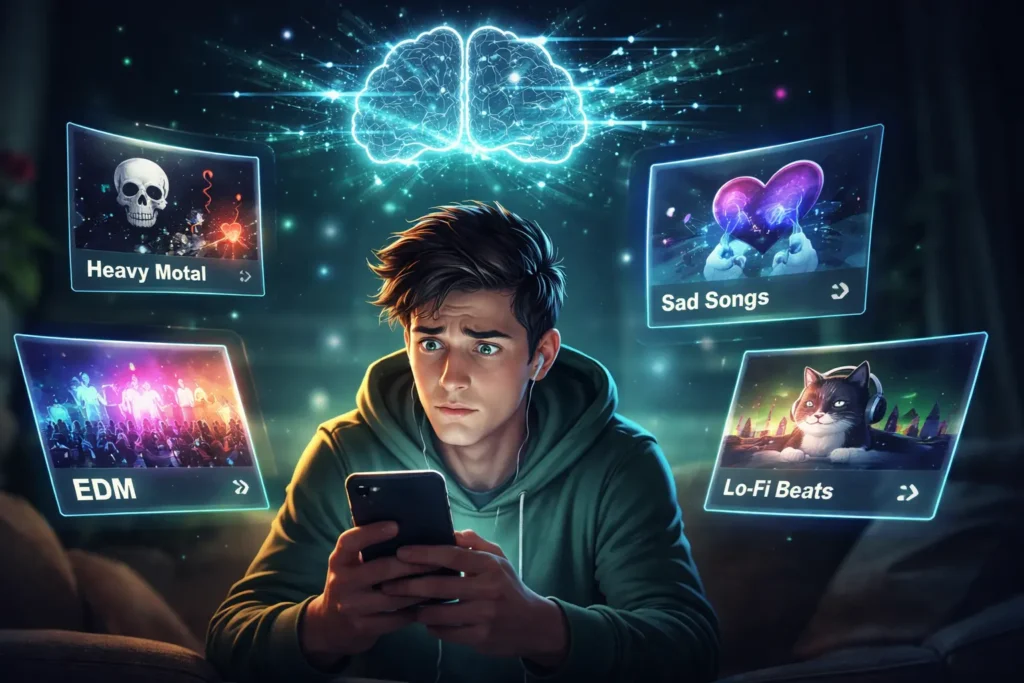
Open Spotify, hit play, and within seconds you’re being “understood.” Or at least, that’s what it’s supposed to feel like. The app queues up tracks it believes match your mood, your taste, your identity. Sometimes it nails it so perfectly that you wonder if someone’s secretly watching your late-night listening habits. Other times, you’re left staring at your screen thinking, Why on earth does Spotify think I want this?
That emotional whiplash is exactly why people keep asking: how bad is your Spotify music AI, really? Not as a meme, not as a joke—but as a genuine question about trust, personalization, and whether algorithmic taste-making has gone too far or not far enough.
This topic matters more than it used to. Music streaming is no longer just about access; it’s about curation. For many listeners, Spotify is music discovery. If the AI misfires, you don’t just skip a song—you slowly stop trusting the platform to represent you. And when trust erodes, engagement follows.
This article is for curious listeners, creators, marketers, and anyone who’s ever felt misunderstood by a playlist that was supposed to “get” them. We’ll unpack what Spotify’s music AI actually does, where it shines, where it stumbles, and how you can work with it instead of feeling trapped by it. By the end, you’ll know whether your Spotify AI is truly bad—or just doing exactly what you unknowingly trained it to do.
What “How Bad Is Your Spotify Music AI” Really Means (Beginner to Expert Breakdown)
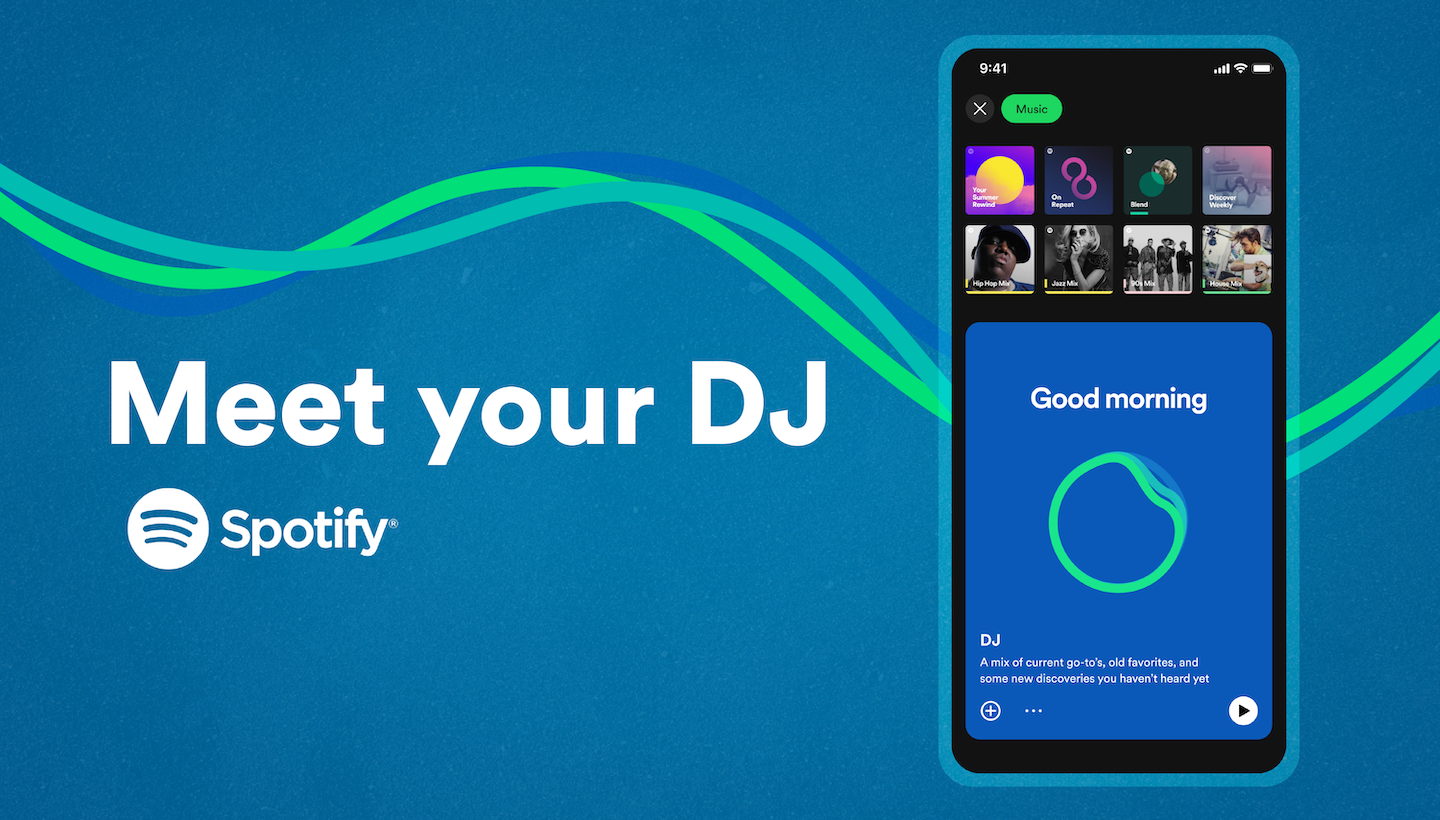

At a surface level, asking how bad is your Spotify music AI sounds subjective. Taste is personal, after all. But underneath that question is something far more technical and measurable: how accurately does Spotify’s recommendation system model your musical preferences over time?
Spotify’s AI doesn’t “understand” music the way humans do. It analyzes patterns—what you play, skip, save, repeat, and abandon. It looks at how long you listen, what time of day, on which device, and in what context. From there, it builds a constantly evolving profile of behavioral taste, not emotional intent.
Think of it like a mirror made of data. If you glance into it once, the reflection is blurry. If you stand there every day, it becomes sharper—but it also exaggerates what you show it most. One week of breakup songs can tilt your recommendations for months. A single workout playlist on repeat can convince the AI that you’ve become a full-time EDM gym rat.
For beginners, this explains why Spotify can feel wildly inaccurate. For advanced users, it reveals the core limitation: Spotify’s AI is excellent at pattern recognition, but weak at context awareness. It knows what you listen to, not why you listened.
So when people complain that their Spotify AI is “bad,” they’re often reacting to this mismatch. The system is doing its job—just not the job users think it’s doing.
Who Actually Benefits From Spotify’s Music AI (And Who Gets Burned)
Spotify’s recommendation engine isn’t universally good or bad—it’s uneven. Some users benefit enormously, while others feel boxed in or misrepresented. Understanding who falls into which group helps explain why opinions about Spotify AI are so polarized.
Listeners with consistent habits tend to benefit the most. If you regularly explore similar genres, artists, and moods, Spotify’s AI becomes frighteningly accurate. Discover Weekly feels tailored. Daily Mixes make sense. You save time and discover artists you genuinely love.
On the other hand, eclectic listeners often struggle. If your taste swings wildly—classical in the morning, metal at night, lo-fi while working—the AI struggles to reconcile those signals. Instead of embracing complexity, it often averages your behavior, producing recommendations that feel watered down or oddly generic.
Creators and artists experience a different side of the AI. For them, Spotify’s algorithm can be a career accelerator or a silent barrier. Getting picked up by algorithmic playlists can explode streams overnight. Failing to fit cleanly into a genre box can mean invisibility, regardless of quality.
The real-world outcomes are tangible:
- Some users save hours discovering music they love
- Others feel trapped in repetitive recommendation loops
- Artists either gain algorithmic momentum or stall indefinitely
So when asking how bad is your Spotify music AI, the honest answer is: it depends on how predictable—or messy—your listening identity is.
How Spotify’s Music AI Works in Practice (Step-by-Step, No Jargon)
Understanding Spotify’s AI doesn’t require a data science degree, but it does require clarity. At its core, the system works in layers, each one influencing the next.
First, there’s explicit feedback. This includes saving songs, adding tracks to playlists, following artists, and liking content. These actions carry the most weight because they signal intentional preference.
Next comes implicit behavior. Skips, replays, listening duration, and session patterns quietly shape your profile. Skipping a song in the first 10 seconds sends a very different signal than skipping after two minutes.
Then there’s collaborative filtering. Spotify compares your behavior with millions of others. If people who listen like you also enjoy a particular artist, Spotify assumes you might too.
Finally, audio analysis and metadata come into play. Spotify breaks tracks down into attributes like tempo, energy, danceability, and mood. This is how it groups songs that sound similar even if they come from different genres.
Each step matters because mistakes compound. One misunderstood signal can ripple across your recommendations for weeks. That’s why understanding how the system interprets you is more powerful than blaming it outright.
Tools, Comparisons, and Expert Takes on Spotify AI vs Alternatives
Spotify isn’t the only platform using AI-driven music recommendations, but it’s the most influential. Comparing it to competitors helps clarify its strengths and weaknesses.
Spotify excels at breadth and discovery. Its playlists, especially Discover Weekly and Release Radar, remain industry benchmarks. The AI is aggressive about surfacing new content, which is great for exploration but risky for accuracy.
Other platforms prioritize differently. Some focus on mood-based listening, others on human-curated radio. Spotify’s approach is unapologetically data-heavy. That’s why it feels smarter over time—but also more opinionated.
From an expert standpoint, Spotify’s AI works best when you treat it like a collaborator, not an authority. The more intentionally you interact with it—curating playlists, saving selectively, avoiding passive listening—the better it performs.
In practice, professionals recommend:
- Regularly cleaning up liked songs
- Creating niche playlists instead of dumping everything into one
- Using private sessions when exploring outside your usual taste
These small habits dramatically improve recommendation quality.
Common Spotify AI Mistakes Users Make (And How to Fix Them)
Most Spotify AI frustrations aren’t caused by bad algorithms—they’re caused by unintentional training. Users unknowingly send mixed signals, then blame the system for confusion.
One common mistake is background listening. Letting Spotify play endlessly while you’re distracted teaches it that you love whatever happens to be playing, even if you don’t care.
Another issue is playlist misuse. Throwing unrelated genres into one playlist tells the AI those tracks belong together. Over time, this muddies your taste profile.
Many users also forget that skipping is feedback. Letting songs play out of politeness or laziness trains the system incorrectly.
Fixing these mistakes is simple but requires awareness. Be intentional. Skip ruthlessly. Curate thoughtfully. Use private mode when experimenting. Treat your listening history like a signal, not noise.
So… How Bad Is Your Spotify Music AI, Really?
After breaking it all down, the answer isn’t dramatic. Spotify’s music AI isn’t bad—it’s literal. It reflects your behavior with uncomfortable honesty. When it feels wrong, it’s often because your listening habits are messy, experimental, or emotionally driven in ways data struggles to interpret.
The good news? You’re not powerless. Once you understand how the system works, you can shape it. Spotify AI is less like a mind reader and more like a diary. What it writes depends entirely on what you show it.
If you want better recommendations, don’t rage at the algorithm—teach it.
Final Takeaway
Spotify’s music AI isn’t your enemy. It’s a powerful, imperfect reflection of your listening behavior. When you understand its limitations and strengths, it stops feeling invasive or inaccurate—and starts becoming genuinely useful.
If your recommendations feel off, that’s not a failure. It’s an invitation to take control.
FAQs
Is Spotify’s AI actually intelligent?
It’s highly advanced at pattern recognition, but it doesn’t understand emotions or context.
Why does Spotify keep recommending the same songs?
Repetition usually means the AI has high confidence in a narrow taste profile.
Can you reset Spotify’s music AI?
Not fully, but you can significantly retrain it by changing habits and using private sessions.
Does skipping songs hurt recommendations?
No—skipping is essential feedback when used intentionally.
Is Spotify AI worse than other music platforms?
It’s more aggressive and data-driven, which makes it feel smarter—and harsher—than alternatives.

Adrian Cole is a technology researcher and AI content specialist with more than seven years of experience studying automation, machine learning models, and digital innovation. He has worked with multiple tech startups as a consultant, helping them adopt smarter tools and build data-driven systems. Adrian writes simple, clear, and practical explanations of complex tech topics so readers can easily understand the future of AI.