
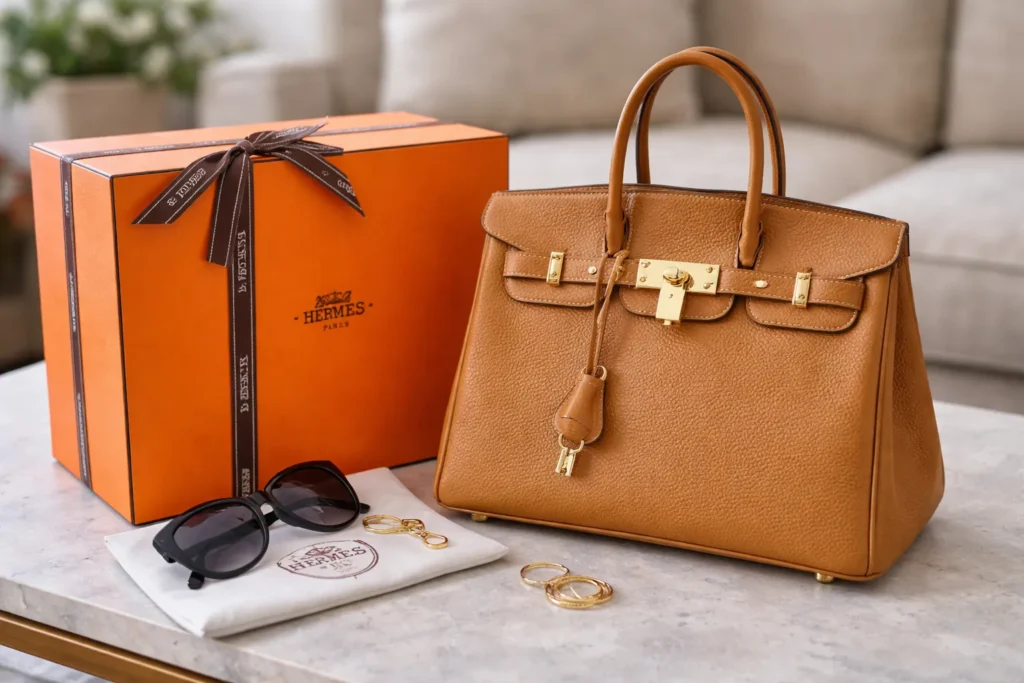
Few accessories command the universal awe and instant recognition of the Hermes Birkin bag. It represents the absolute pinnacle of luxury, standing as a global symbol of wealth, exclusivity, and impeccable taste. Unlike seasonal fashion trends that come and go, this iconic handbag retains its allure decade after decade. It is notoriously difficult to purchase directly from a boutique, and it frequently appreciates in value the moment it leaves the store.
If you are considering adding this masterpiece to your collection, you likely have many questions. The buying process is famously secretive, the material choices are vast, and the financial commitment is significant. We will explore the captivating history behind the bag, explain exactly why it costs so much, and break down the steps you must take to purchase one. Whether you want to buy directly from the brand or navigate the luxury resale market, this guide provides all the information you need.
The Accidental Birth of a Luxury Icon
To understand the prestige of this handbag, we must look back at its origin. The story is a famous piece of fashion folklore that highlights how practical needs can inspire extraordinary design.
A Fortuitous Flight in 1984
The concept began on a flight from Paris to London. British actress and singer Jane Birkin sat next to Jean-Louis Dumas, who was the Executive Chairman of Hermes at the time. Jane carried her signature wicker basket, which she used as an everyday bag. When she tried to place her basket in the overhead compartment, the lid popped open, spilling her personal items across the floor of the airplane.
As Dumas helped her gather her belongings, Jane complained that she could never find a leather weekend bag that she truly liked or that held all her essential items.
Sketching on an Airplane Sickness Bag
Inspired by her frustration, Dumas asked her what her ideal bag would look like. Right there on the flight, the two of them sketched a design on an airplane sickness bag. The design featured a spacious, rectangular shape, a supple leather body, and a secure flap closure with a lock.
Shortly after that flight, Hermes brought the sketch to life and presented it to the actress. The bag was practical, elegant, and revolutionary. They named it the Birkin, and a legendary fashion house staple was born.
Why is the Hermes Birkin Bag So Expensive?
When people hear the retail price of these bags—which starts in the five figures and can easily reach six figures for exotic skins—they often ask why it costs so much. The price tag reflects a combination of extreme craftsmanship, premium materials, and intentional scarcity.
Exceptional Handcrafted Artistry
Hermes refuses to use assembly lines or mass production techniques. Instead, they rely on highly skilled artisans who train for years before they are allowed to touch the leather used for these specific bags.
- Single Artisan Production: One single artisan crafts each bag from start to finish. This creates a deep sense of accountability and pride in the finished product.
- The Saddle Stitch: Artisans use the traditional cousu sellier (saddle stitch) technique. They use two needles passing through the same hole in opposite directions. If one thread breaks, the other holds the bag together perfectly. You cannot replicate this durability with a sewing machine.
- Time Intensive: It takes an artisan between 18 to 48 hours to complete a single bag, depending on the material and size.
Sourcing the World’s Best Materials
The brand accepts only the top tier of leather hides. They reject hides with even the smallest imperfections, ensuring that only flawless materials become finished products. The hardware is equally impressive. The locks, keys, and base studs are typically plated in heavy gold, palladium, or rose gold to prevent tarnishing.
The Power of Exclusivity
Hermes limits production intentionally. They do not release exact production numbers, but demand vastly exceeds supply. You cannot simply walk into a store, pick a color off a shelf, and buy it. This intense scarcity drives up both the retail price and the secondary market value.
Understanding the “Quota Bag” System
If you want to buy directly from a boutique, you must understand the unwritten rules of the brand. Hermes considers the Birkin and the Kelly to be “quota bags.” This means a single client can only purchase a maximum of two of these specific bags per calendar year.
Building a Purchase History
To receive an offer for a quota bag, you usually need to establish a strong relationship with a specific Sales Associate (SA). This involves building a purchase history, often referred to by collectors as the “pre-spend.”
- Explore Other Departments: The brand wants clients who appreciate their entire universe, not just their famous handbags. You build a strong profile by purchasing ready-to-wear clothing, fine jewelry, watches, homeware, and shoes.
- Consistency is Key: Shopping regularly with the same SA shows loyalty. Your SA becomes your advocate, requesting approval from the store director to offer you a highly coveted bag.
The Wishlist and the Offer
Once you establish a relationship, you can share your wishlist. You tell your SA your preferred sizes, leather types, and colors. However, you must remain patient and flexible.
When your SA finally secures a bag for you, they will invite you into a private room. They present the bag in its iconic orange box. You usually do not know exactly what the bag looks like until they untie the ribbon and lift the lid. You can decline the offer, but rejecting bags too often may delay your next opportunity.
Exploring Sizes and Stitching Styles
These bags come in several different sizes and two distinct stitching methods. Choosing the right combination drastically impacts how the bag looks and functions in your daily life.
The Two Stitching Methods
- Retourne: This is the most common style. The artisan stitches the bag inside out and then turns it right-side out. It features soft, rounded edges and a more relaxed, slouchy posture. It is perfect for a casual, effortless aesthetic.
- Sellier: Introduced more recently to the Birkin line, this method features stitching on the outside. The edges are sharp, crisp, and highly structured. It looks much more formal and holds its rigid shape over time.
Popular Size Options
The number in the name refers to the width of the bag in centimeters across the base.
- Birkin 25 (B25): Currently the most highly sought-after size. It is compact, lightweight, and perfect for evening wear or light daily use. You carry it strictly by the top handles, as the drop is too small to fit over your arm.
- Birkin 30 (B30): The ultimate sweet spot. It holds all your daily essentials—like a wallet, phone, keys, and makeup pouch—without looking overwhelming. It transitions beautifully from day to night.
- Birkin 35 (B35): The original size designed for Jane Birkin. It is a workhorse bag that easily holds a small laptop, a water bottle, and a planner. It exudes a powerful, confident energy.
- Birkin 40 (B40): Best suited for travel or as a very large briefcase. It is incredibly spacious but can become quite heavy when fully packed.
A Guide to Hermes Leathers and Colors
The material you choose dictates the texture, weight, and longevity of your bag. Hermes produces dozens of different leathers, but a few remain consistent favorites among collectors.
Top Leather Choices
- Togo: A highly popular calfskin leather. It features a raised, pebbled grain that makes it incredibly scratch-resistant. It holds its shape well but softens slightly over time.
- Epsom: A stamped, embossed leather. It is rigid, lightweight, and very easy to clean. If you want a structured bag that never slouches, Epsom is an excellent choice.
- Clemence: Made from baby bull, this leather is thicker and heavier than Togo. It has a larger, flatter grain and provides a beautiful, relaxed slouch.
- Box Calf: A vintage favorite. It is exceptionally smooth and features a glossy, mirror-like finish. It shows scratches easily, but those scratches eventually blend into a beautiful, coveted patina.
The Allure of Exotic Skins
For the ultimate luxury experience, collectors look to exotic skins. These include Ostrich (known for its distinct polka-dot quill pattern), Lizard, and Crocodile or Alligator. Exotic bags cost significantly more and require special CITES documentation to travel across international borders.
Iconic Colors
Hermes is famous for its incredible dyeing process. While they release seasonal colors twice a year, their “classic” neutrals are the most versatile and hold their value best.
- Gold: A rich, warm caramel brown that features contrasting white topstitching.
- Noir (Black): The ultimate classic. It looks stunning with either gold or palladium hardware.
- Craie and Nata: Two slightly different shades of chalky, off-white. They are incredibly chic and highly requested by modern collectors.
- Etoupe: A beautiful taupe that changes color depending on the lighting, shifting between gray and warm brown.
Because buying directly from the boutique is difficult and time-consuming, a massive secondary market exists. Buying from a reseller offers immediate gratification, but it comes with unique challenges.
The Premium Price Tag
When you buy on the secondary market, you almost always pay a premium above the retail price. For highly coveted sizes like the B25 in neutral colors, you might pay double or even triple the store price. You are paying for the privilege of skipping the waitlist and avoiding the necessary pre-spend at the boutique.
How to Avoid Counterfeits
The high value of these bags attracts counterfeiters. Modern “super fakes” look incredibly convincing to the untrained eye. If you buy from the secondary market, you must protect yourself.
- Use Trusted Platforms: Only buy from highly reputable luxury resellers or auction houses like Sotheby’s and Christie’s.
- Check the Blind Stamp: Hermes embosses a discreet stamp on the leather that indicates the year of production and the artisan’s code.
- Inspect the Hardware: Authentic hardware feels heavy and substantial. The zippers should glide effortlessly, and the lock should turn smoothly.
- Smell the Leather: Authentic leather has a distinct, rich, and earthy scent. Counterfeits often smell slightly of chemicals or cheap glue.
- Hire an Authenticator: Before finalizing a massive purchase, pay a third-party professional authentication service to review the bag’s photos and details.
Is the Hermes Birkin Bag a Good Investment?
You often hear people claim that buying this handbag is a better financial decision than buying gold or investing in the stock market. While you should primarily buy a bag because you love it and want to wear it, its status as an alternative asset is entirely real.
Consistent Value Appreciation
Hermes raises its retail prices almost every year. As the retail price climbs, the secondary market price rises alongside it. Unlike a new car that loses value the second you drive it off the lot, a Birkin often appreciates the moment you walk out of the boutique.
Factors That Affect Resale Value
If you view your bag as an investment, you must understand what drives resale prices.
- Condition: A bag in brand-new, “store fresh” condition with the plastic still on the hardware fetches the highest price.
- Size: Currently, smaller sizes (25 and 30) command higher resale premiums than larger sizes (35 and 40).
- Color: Classic neutrals (Black, Gold, Etoupe) are safer investments because they appeal to the largest group of buyers. Bright seasonal colors are harder to sell unless you find a specific collector searching for that exact hue.
Caring for Your Investment
Proper maintenance ensures your handbag lasts for generations. If you treat it well, you can eventually pass it down as a treasured family heirloom.
Daily Maintenance Tips
- Empty It Out: Do not leave your bag packed with heavy items when you are not using it. This stretches the leather and ruins the shape.
- Use a Bag Insert: A felt or silk bag insert protects the interior leather from makeup spills, pen marks, and key scratches. It also helps the bag maintain its structure.
- Keep It Dry: Leather and water do not mix. If you get caught in the rain, gently wipe the bag down with a soft, dry microfiber cloth. Never use a hair dryer or direct heat to dry it.
Proper Storage
When you are not wearing the bag, store it in its original dust bag. Stuff the inside with acid-free tissue paper or a custom-fit pillow to keep the leather from collapsing or creasing. Keep it away from direct sunlight, which can fade the color, and avoid storing it in extremely humid environments.
The Hermes Spa
One of the greatest benefits of owning an authentic piece is access to the Hermes Spa. You can bring your worn, well-loved bag back to a boutique for professional refurbishment. The artisans can clean the leather, fix scuffed corners, repair broken stitches, and replace tarnished hardware. The spa treatment can literally take years of wear off a bag, restoring its original glory.
Conclusion
The Hermes Birkin bag is far more than a simple accessory to hold your wallet and phone. It is a masterpiece of modern craftsmanship, a tangible piece of fashion history, and a formidable financial asset. From the meticulous saddle stitching to the brilliant array of premium leathers, every detail reflects a relentless commitment to quality.
Whether you choose to play the long game at your local boutique or purchase your dream color on the secondary market, acquiring one is a major milestone. By understanding the sizing, selecting the right leather, and committing to proper maintenance, you ensure that your investment remains a stunning, timeless centerpiece of your wardrobe for decades to come.
Frequently Asked Questions (FAQs)
How much does a Birkin bag cost?
Retail prices at the boutique typically start around $10,000 to $12,000 for standard leather models in smaller sizes. However, on the secondary market, those same bags often sell for $20,000 to $30,000. Exotic skins can cost anywhere from $40,000 to over $100,000.
What is the difference between a Birkin and a Kelly?
While both are iconic, they have distinct design differences. The Birkin features two top handles and a tote-style design, meaning it is usually carried in the hand or on the crook of the arm. The Kelly features a single top handle and comes with a detachable shoulder strap, making it a more formal, structured bag.
Can anyone buy a bag directly from Hermes?
Technically, yes, but practically, it is very difficult. You cannot simply walk into a store and buy one off the shelf. You usually need to establish a strong relationship with a Sales Associate and build a purchase history across other departments before you are offered the opportunity to buy one.
How long does it take to make one bag?
Because every bag is stitched by hand by a single artisan, it takes between 18 and 48 hours of highly focused labor to create just one bag, depending on the complexity of the leather and the size.

Sofia Bennett is a fashion writer and style observer known for her clean sense of aesthetics and trend analysis. She has covered fashion shows, reviewed designer collections, and interviewed independent creators. Sofia specializes in connecting fashion with real-life lifestyle choices, helping readers understand what looks good — and why.