

If you’ve ever wondered why so many startup founders, Fortune 500 executives, AI researchers, and policy shapers seem to trace their roots back to one campus in Atlanta, you’re not imagining things. The Georgia Institute of Technology isn’t just another prestigious university—it’s a living, breathing ecosystem where theory collides with practice, and ideas are expected to survive contact with the real world.
This guide is written for students planning their future, parents evaluating return on investment, professionals considering advanced degrees, founders scouting talent, and anyone genuinely curious about how one institution has quietly shaped modern technology, engineering, and business at a global scale.
You’ll walk away understanding not just what Georgia Tech is, but why it works, who it’s best for, and how to decide if it belongs in your own career story.
Georgia Institute of Technology Explained: What It Is and Why It’s Different
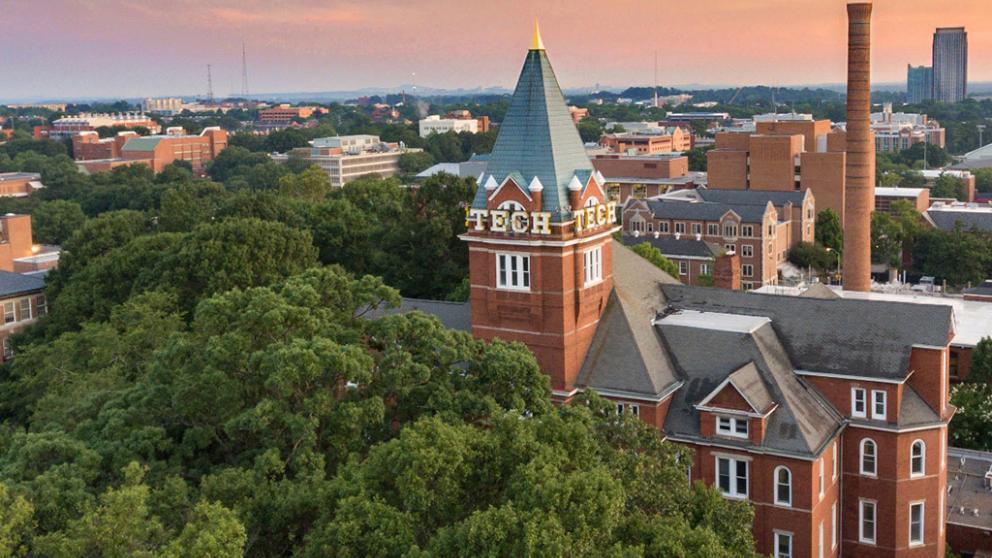

The Georgia Institute of Technology, commonly known as Georgia Tech, is a public research university with a reputation for academic rigor, practical innovation, and unapologetically high standards. Founded in 1885, it began as a trade school for the industrial South. Today, it stands among the most respected technology-focused universities in the world.
What makes Georgia Tech fundamentally different is its philosophy: education should solve real problems. This isn’t a place where knowledge stays trapped in lecture halls. Research papers turn into patents. Class projects turn into startups. Student co-ops turn into six-figure job offers.
Georgia Tech operates on a simple but demanding premise: if you can’t apply what you’re learning, you don’t fully understand it. That mindset influences everything—from grading policies to campus culture.
Academically, the institute is best known for:
- Engineering and computer science programs ranked among the best globally
- Strong integration of business, policy, and technology
- A curriculum designed to be challenging by design, not by accident
Socially, it attracts students who are curious, driven, and often a little obsessed with building things that work.
Why the Georgia Institute of Technology Matters Right Now
We’re living in a moment where technological literacy isn’t optional. AI, cybersecurity, climate engineering, data science, and automation are shaping economies faster than policy can keep up. Institutions that merely teach concepts without application are struggling to stay relevant.
Georgia Tech thrives in this environment because it anticipated this shift decades ago.
The institute’s programs are structured around:
- Industry-aligned curricula updated frequently
- Research funding tied to real-world outcomes
- Partnerships with government, startups, and global corporations
For students, this means skills that translate directly into jobs. For employers, it means graduates who don’t need months of onboarding to be effective. For society, it means innovations that don’t stay theoretical.
Benefits and Real-World Use Cases of a Georgia Tech Education
A degree from Georgia Tech isn’t just a credential—it’s a career accelerant. The benefits show up differently depending on who you are and what you want to build.
For Undergraduate Students
Students benefit from early exposure to:
- Research labs starting freshman year
- Paid co-op and internship programs with top employers
- A culture that rewards problem-solving over memorization
Before Georgia Tech, many students imagine college as four years of lectures. After Georgia Tech, they understand how systems fail, how constraints shape solutions, and how teamwork actually works under pressure.
For Graduate Students and Professionals
Graduate programs at Georgia Tech are known for:
- Technical depth without academic isolation
- Online programs that maintain rigor without sacrificing flexibility
- Strong alumni networks in leadership and technical roles
Professionals often describe Georgia Tech degrees as “career-proofing”—they don’t just help you get a job, they help you adapt as industries change.
For Employers and Industry
Companies benefit from:
- Graduates trained to think systemically
- Research partnerships that shorten innovation cycles
- Talent pipelines that reduce hiring risk
Georgia Tech doesn’t just respond to industry needs—it helps define them.
Step 1: Understand the Culture Before You Apply
Georgia Tech is collaborative but demanding. Students who succeed here:
- Are comfortable being challenged
- Seek help early rather than struggle silently
- View failure as feedback, not judgment
If you’re looking for an “easy A” environment, this isn’t it. If you want to be sharpened, you’ll thrive.
Step 2: Choose Programs for Fit, Not Just Rankings
While engineering and computer science dominate headlines, Georgia Tech also excels in:
- Business analytics
- Industrial design
- Public policy and technology
The best outcomes come from aligning your interests with how programs are structured, not just how they’re ranked.
Step 3: Use Co-ops and Internships Strategically
Georgia Tech’s co-op program is legendary for a reason. Many students:
- Graduate with 1–2 years of paid work experience
- Receive full-time offers before senior year
- Build professional confidence early
Treat co-ops as extended interviews, not resume fillers.
Step 4: Leverage Research and Maker Spaces
From robotics labs to AI centers, Georgia Tech offers hands-on facilities most students never fully use. The ones who do:
- Build stronger portfolios
- Develop clearer career direction
- Gain faculty mentorship that opens doors
The resources are there—but initiative matters.
Tools, Programs, and Expert Recommendations from Inside Georgia Tech
Online Master of Science Programs
Georgia Tech’s online degrees in computer science, analytics, and cybersecurity are widely respected for combining:
- Academic rigor
- Affordable tuition
- Industry relevance
These programs are ideal for professionals who want elite credentials without leaving their careers.
Innovation and Startup Ecosystem
Georgia Tech’s innovation hubs support:
- Student-founded startups
- Faculty spin-offs
- Corporate-sponsored research
Compared to traditional accelerators, Georgia Tech startups benefit from deeper technical validation early on.
Free vs Paid Learning Resources
Students often supplement coursework with:
- Open-source tools
- Industry platforms like GitHub and Kaggle
- Paid certifications for niche skills
The key is balance—credentials help, but mastery matters more.
Common Mistakes Students Make at Georgia Tech (and How to Avoid Them)
Mistake 1: Trying to Do Everything Alone
The workload is heavy by design. Students who isolate themselves burn out faster. Study groups and office hours aren’t weaknesses—they’re survival tools.
Mistake 2: Chasing Prestige Over Purpose
Choosing the “hardest” major without genuine interest often leads to disengagement. Georgia Tech rewards curiosity more than ego.
Mistake 3: Ignoring Mental and Physical Health
Intensity without balance leads to diminishing returns. The most successful students treat rest as part of productivity.
Long-Term Career Impact of Georgia Institute of Technology Alumni
Georgia Tech alumni are found:
- Leading engineering teams at global tech firms
- Founding startups across AI, biotech, and clean energy
- Influencing policy at the intersection of technology and society
What unites them isn’t just intelligence—it’s systems thinking. Georgia Tech trains people to see how parts interact, where bottlenecks form, and how small decisions ripple outward.
That mindset compounds over time, often leading to leadership roles earlier than peers from less demanding programs.
Conclusion: Is Georgia Institute of Technology Worth It?
Georgia Tech isn’t for everyone—and that’s precisely why it works.
If you want comfort, predictability, and minimal friction, there are easier paths. But if you want to:
- Build things that matter
- Learn how complex systems actually behave
- Surround yourself with people who push you to think deeper
Then the Georgia Institute of Technology offers something rare: an education that respects your potential enough to challenge it relentlessly.
The real value isn’t the diploma—it’s the way you think when you leave.
FAQs
Is Georgia Institute of Technology hard to get into?
Yes. Admissions are competitive, especially for engineering and computer science, but holistic factors matter.
Is Georgia Tech only for engineers?
No. While known for STEM, programs in business, design, and policy are equally rigorous and respected.
How does Georgia Tech compare to Ivy League schools?
In technical fields, Georgia Tech often rivals or surpasses Ivy League institutions in outcomes and industry impact.
Are online Georgia Tech degrees respected?
Yes. They follow the same curriculum standards as on-campus programs.
What kind of students succeed at Georgia Tech?
Curious, resilient learners who value application over memorization.

Adrian Cole is a technology researcher and AI content specialist with more than seven years of experience studying automation, machine learning models, and digital innovation. He has worked with multiple tech startups as a consultant, helping them adopt smarter tools and build data-driven systems. Adrian writes simple, clear, and practical explanations of complex tech topics so readers can easily understand the future of AI.