A Morning Surprise: The Story of My Breakfast Gone Wrong
Last week, I cracked open an egg to make breakfast — the kind of lazy Sunday morning omelet of scrambled eggs and toast. Halfway through cooking, I came across a headline: “Egg recall issued over possible Salmonella contamination.” Suddenly, that sunny-side up turned into a chilling reminder: even the simplest ingredients in our kitchen carry real risks. If you keep eggs in your fridge, it’s worth pausing for a moment before you cook — or eat — them.
That’s why I decided to dig deeper. Because “egg recall” might sound like something only big supermarkets worry about. In fact, it can—and does—affect everyday folks just like you and me. Let’s walk through exactly what happened, why it matters, and what you should do if you suspect you have recalled eggs at home.
What Is an Egg Recall — and Why It Happens
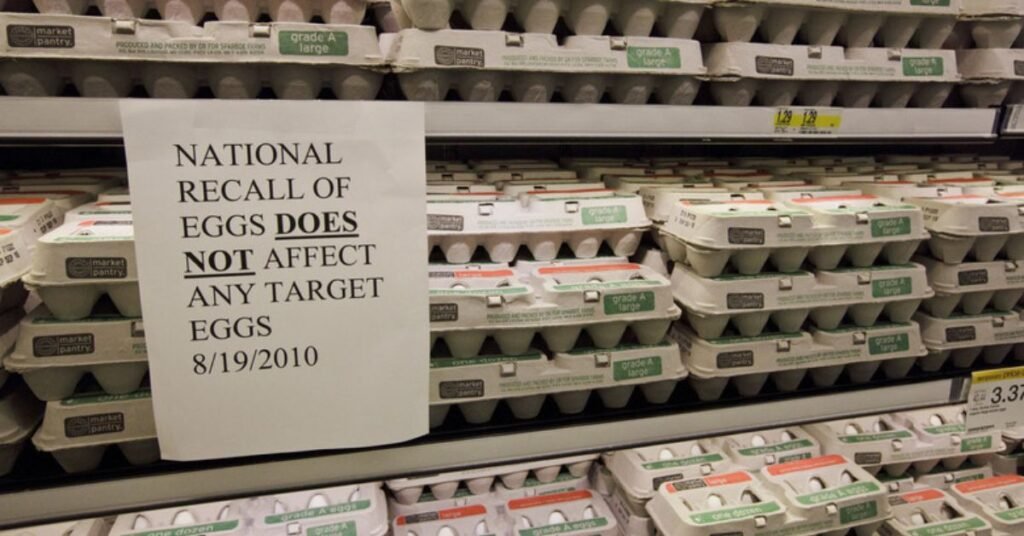
An egg recall happens when producers or regulators determine that certain eggs sold to consumers may pose a health risk. Usually, this involves contamination by bacteria such as Salmonella — which can make people seriously sick.
Recent Example: Vega Farms (December 2025)
- On December 5, 2025, Vega Farms — a family-run farm in Dixon, California — recalled about 1,515 dozen eggs due to possible Salmonella contamination.
- The affected eggs came in 12-count cartons and 30-count flats, with a handler code “2136” and a sell-by date of December 22 or earlier (or the equivalent Julian date).
- Importantly, Vega Farms clarified that the contamination was likely due to processing equipment — not the chickens themselves.
- The recall affects eggs sold mostly around Sacramento and Davis, including stores, restaurants, and farmers’ markets.
Other recalls this year (for instance by Black Sheep Egg Company and Kenz Henz) have also affected millions of eggs due to Salmonella risks.
In short: egg recalls don’t just “happen somewhere else.” They can impact the eggs sitting in your fridge right now.

What’s the Risk? — Understanding Salmonella and Food Safety
Eggs are naturally nutritious — loaded with protein, vitamins, and healthy fats. But they can also carry harmful pathogens if contaminated.
Salmonella is the main concern here. If someone eats contaminated eggs raw or undercooked, or handles eggs without proper hygiene, they risk:
- Diarrhea
- Fever
- Stomach cramps
- Nausea / vomiting
Symptoms usually appear 6–72 hours after exposure, and can last 4–7 days.
For most healthy people — you know, those without immune problems — the illness might be short-lived. But for young children, older adults, or people with weakened immune systems, the consequences can be serious.
What to Do If You Find Recalled Eggs at Home — Step-by-Step Guide
Here’s a simple plan you (or anyone) can follow if you suspect your eggs are part of a recall:
- Check your cartons carefully
- Note the brand name, carton type (12-count, 30-count, etc.), handling/plant code, and “sell-by” or “best-by” date. For the recent Vega Farms recall, look for handler code 2136 and sell-by date Dec 22 or earlier.
- If eggs are out of their original packaging and you’re unsure — better to be safe than sorry.
- Don’t eat them
- Even if the eggs “look fine,” do not cook or eat them. Contamination can’t be spotted by smell, taste, or appearance.
- Dispose of them properly
- Throw them away — preferably in a sealed bag or container so pets or scavengers don’t get access.
- Or, if your location offers returns or refunds (some stores do for recalled food), follow that route.
- Clean everything
- Wash your hands, dishes, surfaces, and any kitchen tools (bowls, spatulas, cutting boards) that came into contact with the eggs. Use hot, soapy water — and maybe even a mild sanitizer, if available.
- Monitor health (if already eaten)
- If you or someone in your household ate the eggs and feels unwell (fever, diarrhea, cramps), get in touch with a doctor and mention the possible exposure to Salmonella.
Practical Tips to Avoid Egg-Related Risks — Even Without a Recall
Prevention is often better than reaction. Here are good habits to practise daily — especially if eggs are a cooking staple:
- Buy from trusted sources — local farms you know, or brands that properly label date and handler codes.
- Keep eggs refrigerated — colder temperatures slow bacteria growth.
- Cook eggs thoroughly — don’t serve raw or undercooked eggs if you can help it (use fully cooked eggs for dishes like omelets, hard-boiled, or well-done scrambles).
- Wash hands & surfaces after handling raw eggs — especially before touching other foods or kitchen tools.
- Don’t reuse packaging blindly — if you break the original carton and store eggs in some container, make note of where and when you bought them.
ALSO READ: Who is Jared Kushner — and Why He’s Still a Big Deal

Real-World Use Cases: When Knowing About Recalls Saved Meals & Health
- A small family in Sacramento expected to make pancakes for Sunday brunch — but they noticed their cartons had the handler code and sell-by date matching the recall. They tossed them, bought eggs from a different farm, and no one got sick.
- A café owner in Davis checked all egg cartons before serving omelets. The recall potentially saved dozens of customers from exposure.
- A college student preparing scrambled eggs for breakfast was reminded by a public alert — she threw out the eggs and sanitised her kitchen. No illness.
These aren’t dramatic headlines. These are everyday decisions that kept people safe.
Common Mistakes to Avoid
- Assuming “just one or two” eggs are fine — contamination isn’t always uniform; one bad egg can compromise the batch.
- Throwing eggs without cleaning surfaces — raw egg bacteria can linger on your countertop, utensils, or even fridge shelves.
- Ignoring date codes because “eggs smell fine” — Salmonella doesn’t change smell, color or taste.
- Re-using old cartons or repackaging eggs without noting the origin/date — this makes traceability near impossible if a recall comes later.

Why Understanding Egg Recalls Matters — More Than You Think
Eggs are a kitchen staple: cheap, versatile, and nutritious. But with recent events — like the 2025 recall from Vega Farms — they also highlight a vital truth: food safety is not optional.
Whether you cook once a week or daily — knowing how to check for recalls, handle eggs properly, and store them safely can protect your health. It’s not about fear — it’s about common sense and informed choices.
Frequently Asked Questions (FAQs)
Q: What brands are affected by the 2025 recalls?
A: The recent recall involves eggs from Vega Farms (handler code 2136, certain sell-by dates). Previous recalls this year have included eggs from Black Sheep Egg Company, Kenz Henz, and other producers.
Q: Can cooking eggs well kill Salmonella?
A: Yes — proper cooking kills Salmonella bacteria. But the safest move is to avoid using eggs subject to a recall in the first place. Also, make sure surfaces and utensils are clean.
Q: What should I do if I’m not sure whether my eggs are affected?
A: When in doubt — throw them out (or return them). It’s not worth risking illness over uncertain eggs.
Q: Are there ways to reduce the chance of buying recalled eggs?
A: Buy from trusted farms or stores, check labels carefully, store eggs properly, and stay alert for public food-safety alerts or news updates.
Final Thoughts: Your Egg Safety Matters
Eggs will always be a kitchen go-to — from breakfast scrambles to baked goods. But as the recent recall shows, even something as commonplace as an egg can carry hidden risks.
If you take just a few extra seconds to check the carton, store eggs safely, cook them thoroughly, and clean kitchen surfaces properly, you’ll turn what could be a dangerous gamble into a safe starting point for your next meal.

Hannah Price is a digital journalist who covers breaking news, global events, and trending stories with accuracy and speed. She has previously contributed to several online magazines and has built a reputation for verifying facts before publishing. Hannah believes in responsible reporting and aims to present stories in a way that readers can trust.