
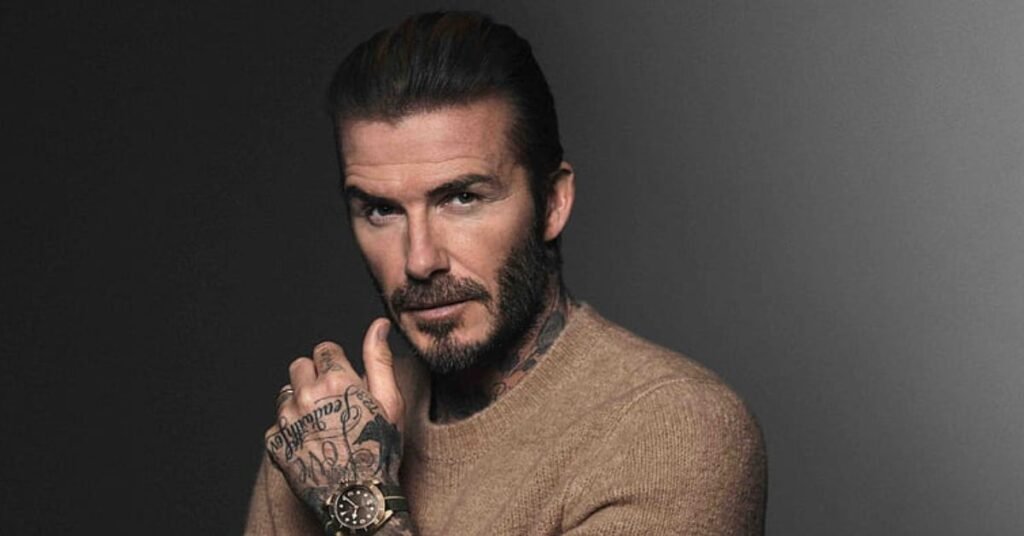
Introduction
Mention the name David Beckham, and chances are a very specific image flashes through your mind: a perfectly bent free kick curling into the top corner, a red Manchester United shirt soaked in sweat, or a sharp suit worn with effortless confidence. Few athletes in modern history trigger that kind of instant recognition. David Beckham isn’t just famous for what he did on the football pitch — he’s famous for what he represents beyond it.
In the first 100 words of this article, it’s worth stating plainly: David Beckham is one of the most influential footballers of all time, not simply because of trophies or goals, but because he rewrote the rulebook on how athletes can shape culture, business, fashion, and global branding. His journey matters because it mirrors how sport itself has evolved — from local stadiums to worldwide audiences, from club loyalty to global fandom.
In this long-form guide, you’ll learn how David Beckham rose from a working-class background in London to become a global icon, what made his playing style so distinctive, how he leveraged fame into long-term business success, and what practical lessons fans, athletes, and entrepreneurs can take from his career. This isn’t a highlight reel recap — it’s a deep, human look at a legacy that continues to grow.
Who Is David Beckham? A Beginner-Friendly Breakdown
At its simplest, David Beckham is a retired professional footballer from England. But that description barely scratches the surface. To understand Beckham properly, imagine someone who mastered one rare skill so completely that it became a global signature — then used discipline, timing, and self-awareness to build an empire around it.
Born in 1975 in Leytonstone, East London, Beckham grew up obsessed with football. His parents supported Manchester United, and from a young age he practiced obsessively, often training alone to refine his crossing and free-kick technique. That repetition — thousands of near-identical kicks — would later define his career.
Beckham played primarily as a right midfielder. He wasn’t the fastest, strongest, or most naturally gifted dribbler. What set him apart was precision. His right foot was like a paintbrush, capable of delivering passes and crosses with uncanny accuracy. Think of him as a quarterback in American football — not always running the ball, but controlling the game through placement, vision, and timing.
Beyond football, Beckham became a cultural bridge. He connected sport with fashion, celebrity culture, and global media in ways that were unusual — and sometimes controversial — in the late 1990s and early 2000s. That blend of discipline and visibility made him more than a player; it made him a brand.
David Beckham’s Football Career: Clubs, Highlights, and Turning Points

4
David Beckham’s playing career reads like a timeline of football’s globalization. Each club he joined marked not just a sporting chapter, but a cultural shift.
He rose to prominence at Manchester United during one of the club’s most dominant eras. Under Sir Alex Ferguson, Beckham became part of the famous “Class of ’92,” winning multiple Premier League titles and the historic 1999 treble. His halfway-line goal against Wimbledon announced him to the world, but it was his consistency that earned trust.
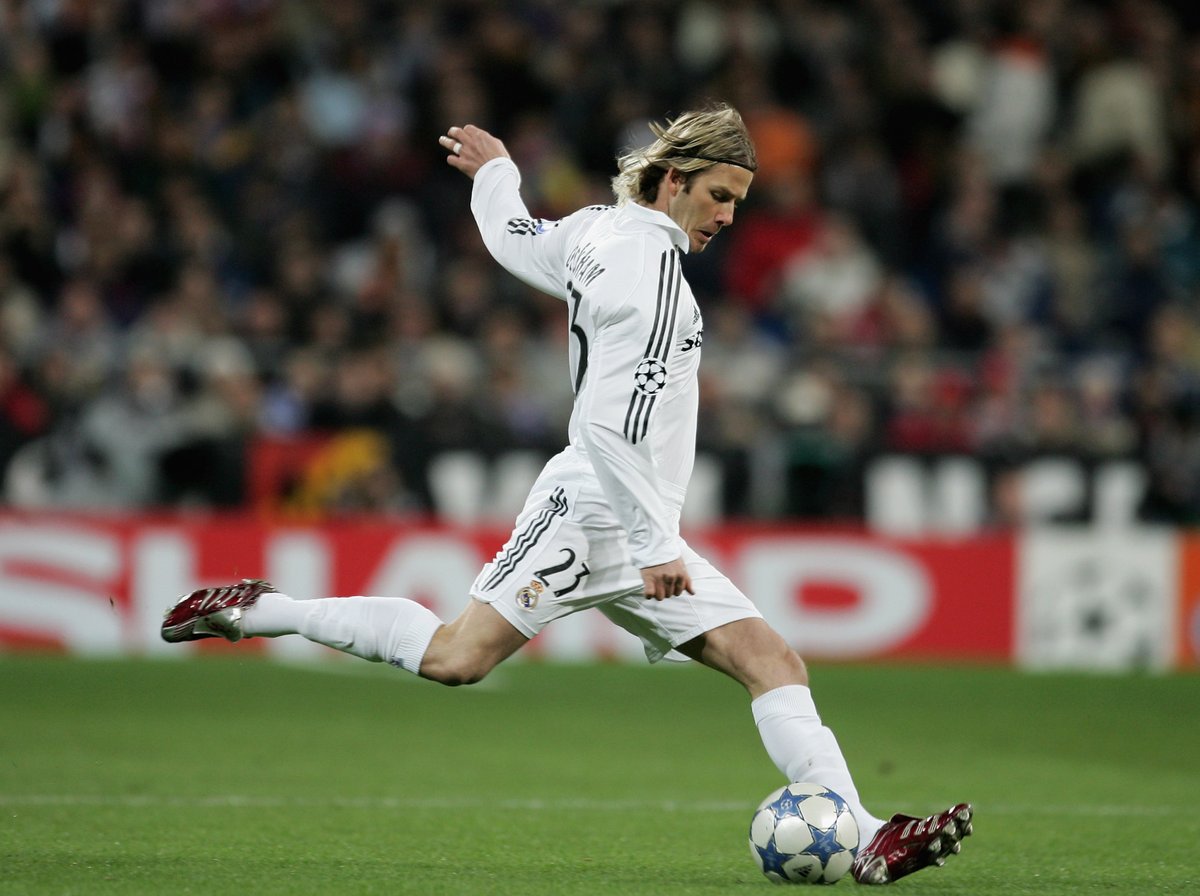
The move to Real Madrid in 2003 was seismic. Beckham joined the “Galácticos” — a team built as much for global appeal as footballing success. While critics questioned his defensive contribution, he adapted, worked relentlessly, and earned respect in a star-filled squad. This phase proved he could succeed outside England.
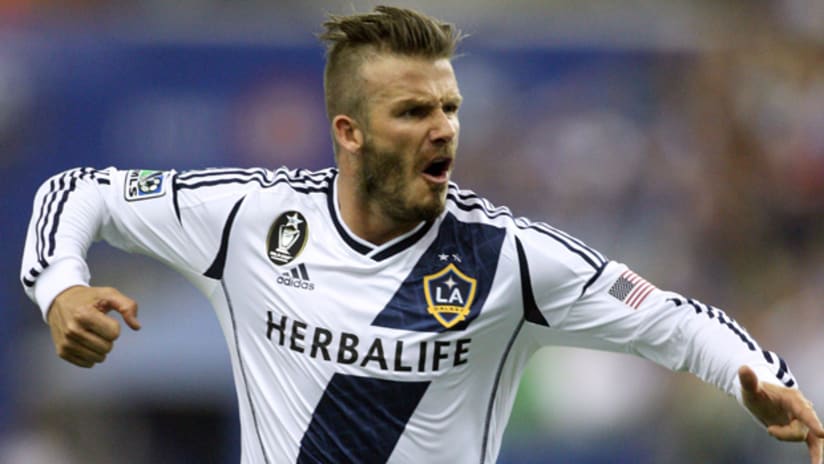
Later stints at LA Galaxy, AC Milan (on loan), and Paris Saint-Germain showed a different side of Beckham: mentor, ambassador, and professional to the end. His move to MLS helped legitimize the league internationally, setting a template later followed by stars like Lionel Messi.
Key turning points included:
- The 1998 World Cup red card backlash and public redemption
- Leaving Manchester United at his peak
- Choosing MLS over Europe for long-term vision
Each moment tested his resilience — and reinforced his staying power.
What Made David Beckham Special on the Pitch
David Beckham’s greatness wasn’t about flair for flair’s sake. It was about repeatable excellence. His crossing accuracy, free-kick technique, and long passing were the result of relentless practice, not luck.
Technically, Beckham mastered:
- Dead-ball situations, especially curling free kicks
- Long diagonal passes that switched play instantly
- Early crosses that punished defensive positioning
Mentally, he brought professionalism. Teammates often spoke about how Beckham trained harder than anyone else, even after fame arrived. He understood positioning, game tempo, and responsibility — particularly as England captain.
One underrated aspect was leadership. Beckham led through example rather than volume. After mistakes, he didn’t hide. After criticism, he doubled down on effort. That mindset kept him relevant across eras and leagues.
If modern football celebrates data and consistency, Beckham was ahead of his time.
Benefits and Use Cases: Why David Beckham Still Matters Today

4
Understanding David Beckham isn’t just for football fans. His career offers practical lessons across multiple domains.
For athletes, Beckham demonstrates how specialization can outperform raw talent. You don’t need to be the best at everything — being world-class at one thing can change everything.
For brands and marketers, Beckham is a case study in longevity. He aligned himself with quality, consistency, and values rather than short-term hype. That’s why endorsements from Adidas to luxury fashion have endured.
For entrepreneurs, Beckham’s post-retirement transition is especially valuable. He didn’t disappear after football. He invested, learned, partnered wisely, and eventually became co-owner of Inter Miami CF — turning reputation into infrastructure.
Use cases include:
- Personal branding strategies
- Athlete career planning
- Influencer longevity models
- Leadership under scrutiny
Beckham’s relevance today proves that visibility, when managed well, compounds over time.
Step-by-Step Guide: Lessons You Can Apply from David Beckham’s Career
While you can’t replicate Beckham’s right foot, you can replicate his approach. Here’s a practical breakdown.
Step one is mastery through repetition. Beckham didn’t chase trends in his playing style. He doubled down on crossing and free kicks until they became automatic.
Step two is professional image control. Beckham understood early that perception matters. From interviews to appearance, he maintained consistency without losing authenticity.
Step three is strategic risk-taking. Leaving Manchester United, moving to MLS, and investing in a club were all calculated risks aligned with long-term goals.
Step four is adaptability. Beckham evolved with age, role, and environment, proving relevance isn’t fixed.
Best practices include:
- Build depth before breadth
- Protect reputation like an asset
- Surround yourself with experienced advisors
- Think in decades, not seasons
These steps apply whether you’re an athlete, creator, or business professional.
Tools, Comparisons, and Recommendations Inspired by Beckham’s Path
David Beckham’s success didn’t happen in isolation. Behind the scenes were tools and structures that supported growth.
In football terms, elite coaching and data analysis refined his technique. Today, similar tools are accessible to amateurs: performance analytics apps, video breakdown software, and personalized training plans.
From a branding standpoint, Beckham benefited from long-term partnerships instead of one-off deals. Comparing free exposure versus paid endorsements, his career shows that alignment beats volume.
Free tools like social platforms build awareness, but paid partnerships build sustainability. Beckham chose fewer deals with stronger fit — a lesson many influencers ignore.
Recommendations:
- Invest in coaching or mentorship early
- Use analytics to track progress, not ego
- Choose partnerships that reinforce your identity
The Beckham model is about coherence, not chaos.
Common Mistakes People Make When Studying David Beckham’s Success
One common mistake is oversimplifying his fame. Beckham wasn’t “just lucky” or “just handsome.” That narrative ignores years of rejection, criticism, and disciplined work.
Another mistake is copying surface-level traits — hairstyles, fashion — instead of underlying habits. Style without substance doesn’t scale.
People also underestimate resilience. Beckham faced national backlash after 1998 and came back stronger. Many quit after far less.
To fix these mistakes:
- Study process, not appearance
- Respect long timelines
- Separate talent from consistency
Understanding Beckham correctly means appreciating effort as much as outcome.
David Beckham After Football: Ownership, Influence, and Legacy

4
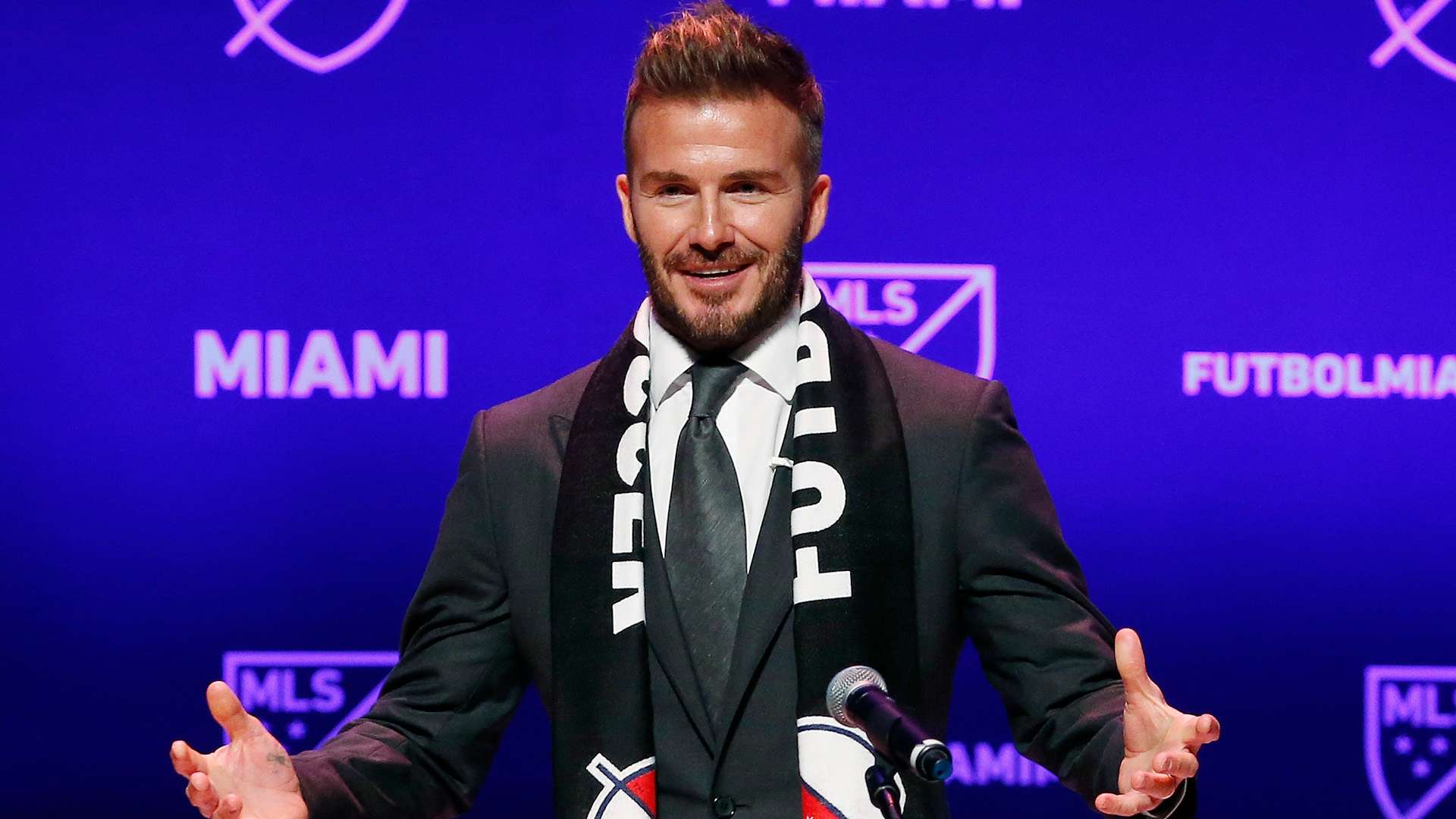
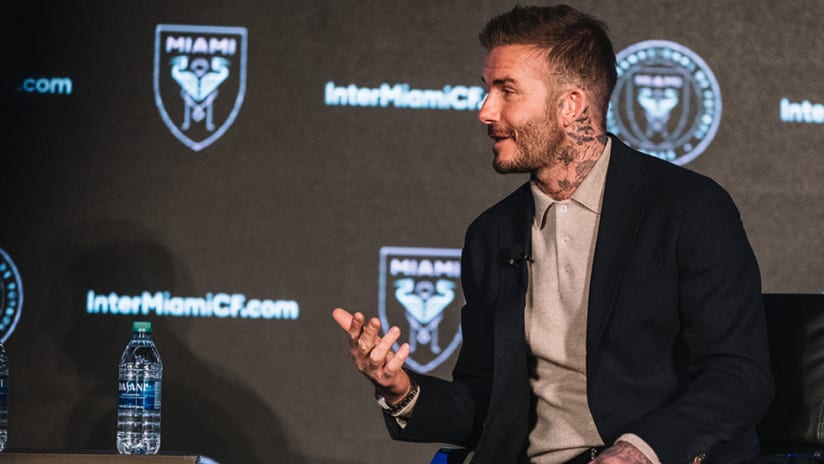
Post-retirement, David Beckham didn’t fade — he repositioned. His role in founding and owning Inter Miami CF marked a shift from athlete to architect.
This phase is critical to his legacy. He used knowledge, relationships, and patience to build something lasting. The arrival of global stars to MLS validated his long-term vision.
Beckham also expanded humanitarian work, particularly with UNICEF, reinforcing that influence can be used responsibly.
His legacy now spans:
- Football excellence
- Cultural impact
- Business leadership
- Global sports development
That multidimensional footprint is why Beckham remains relevant decades after his debut.
Conclusion
David Beckham’s story isn’t just about football brilliance. It’s about discipline, identity, and long-term thinking in a world obsessed with shortcuts. From precise free kicks to precise career decisions, Beckham showed that consistency beats chaos.
Whether you’re a fan, athlete, creator, or entrepreneur, there’s something deeply practical in his journey. Master something. Protect your reputation. Think ahead. Adapt without losing your core.
If this deep dive helped clarify why David Beckham still matters, explore related stories, leave a comment with your favorite Beckham moment, or apply one lesson to your own path.
FAQs
Is David Beckham one of the greatest footballers of all time?
Yes, especially in terms of influence, consistency, and technical specialization. While not the most naturally gifted, his impact is undeniable.
What position did David Beckham play?
Primarily right midfielder, though he occasionally played centrally depending on team needs.
Why did David Beckham move to MLS?
He saw long-term potential in growing football in the U.S. and building a post-retirement future.
How many clubs did David Beckham play for?
Manchester United, Real Madrid, LA Galaxy, AC Milan (loan), and Paris Saint-Germain.
What is David Beckham doing now?
He is a football club owner, businessman, and global ambassador involved in sport and philanthropy.

Michael Grant is a business writer with professional experience in small-business consulting and online entrepreneurship. Over the past decade, he has helped brands improve their digital strategy, customer engagement, and revenue planning. Michael simplifies business concepts and gives readers practical insights they can use immediately.