

If you’ve spent any time inside a modern business—whether SaaS, e-commerce, fintech, healthcare, or even B2B manufacturing—you’ve felt the pressure already. Customers are louder. Expectations are higher. Loyalty is thinner. And the margin for error is brutally small.
That pressure is exactly why CXC technology has moved from a “nice-to-have” experiment to a board-level priority.
This isn’t another fluffy article about “delighting customers.”
This is a practical, experience-driven breakdown of how CXC technology actually works, why it matters now more than ever, and how real teams use it to reduce churn, increase lifetime value, and scale without losing their human touch.
This guide is written for:
• Founders trying to scale without breaking CX
• Marketing leaders drowning in fragmented customer data
• CX, support, and product teams stuck in reactive mode
• Operators who want clarity—not buzzwords
By the end, you’ll understand what CXC technology really is, how it’s used in the wild, and how to apply it without wasting budget or trust.
What Is CXC Technology? (Beginner-Friendly, Expert-Deep)
At its core, CXC technology refers to the tools, platforms, systems, and workflows used to design, manage, measure, and optimize the complete customer experience across every touchpoint.
Not just support tickets.
Not just NPS surveys.
Not just marketing automation.
CXC technology sits at the intersection of data, behavior, emotion, and systems.
A simple analogy that actually works
Think of your business as a city.
Customers don’t experience the city as departments. They experience roads, traffic lights, signage, public transport, and how smoothly everything connects.
CXC technology is the infrastructure layer that:
• Connects disconnected systems
• Monitors friction points in real time
• Predicts where breakdowns will happen
• Fixes issues before customers complain
Without it, every department optimizes its own street—and the city still feels broken.
What CXC technology includes (in practice)
In the real world, CXC technology typically combines:
• Customer data platforms (CDPs)
• CRM systems
• Journey mapping tools
• Feedback & survey platforms
• Support and helpdesk software
• Experience analytics & AI insights
• Automation and orchestration layers
The defining feature isn’t the tool—it’s integration and intent.
CXC technology only works when systems talk to each other and teams act on insights, not dashboards.
Why CXC Technology Matters Right Now (Not “Someday”)
Ten years ago, customer experience was a differentiator.
Today, it’s the baseline.
The shift happened quietly—but it’s irreversible.
Customers now compare experiences, not brands
Your customer isn’t comparing you to your competitor anymore.
They’re comparing you to:
• One-click checkout on Amazon
• Same-day delivery expectations
• Instant support chat responses
• Personalized recommendations
And they don’t care that you’re “smaller” or “earlier-stage.”
CXC technology is how smaller teams compete with enterprise-level expectations—without burning out staff.
Here’s what I see repeatedly in scaling companies:
• Support volume grows faster than revenue
• Marketing drives leads that product can’t retain
• Data lives in silos
• Teams react instead of anticipate
CXC technology flips that equation by:
• Surfacing issues before churn happens
• Prioritizing fixes with real impact
• Automating low-value interactions
• Preserving context across channels
It’s not about being fancy.
It’s about survival at scale.
Benefits of CXC Technology (With Real-World Outcomes)
CXC technology doesn’t produce abstract “delight.”
It produces measurable, compounding business outcomes.
Before vs After: What actually changes
Before CXC technology:
• Customers repeat themselves across channels
• Teams argue over whose data is “right”
• Feedback is collected but ignored
• CX improvements are reactive and slow
After CXC technology:
• One unified customer view
• Faster issue resolution
• Proactive outreach
• Predictable CX performance
Core benefits businesses actually see
1. Reduced churn
Predictive signals identify at-risk customers before they leave.
2. Higher lifetime value
Personalized experiences increase repeat usage and upsell acceptance.
3. Lower support costs
Automation and self-service reduce ticket volume without hurting satisfaction.
4. Faster decision-making
Teams act on real-time insights instead of quarterly reports.
5. Brand trust at scale
Consistency across channels builds confidence—even during growth spikes.
These aren’t theoretical. They’re the reason CFOs are now funding CX initiatives.
Real-World Use Cases of CXC Technology Across Industries
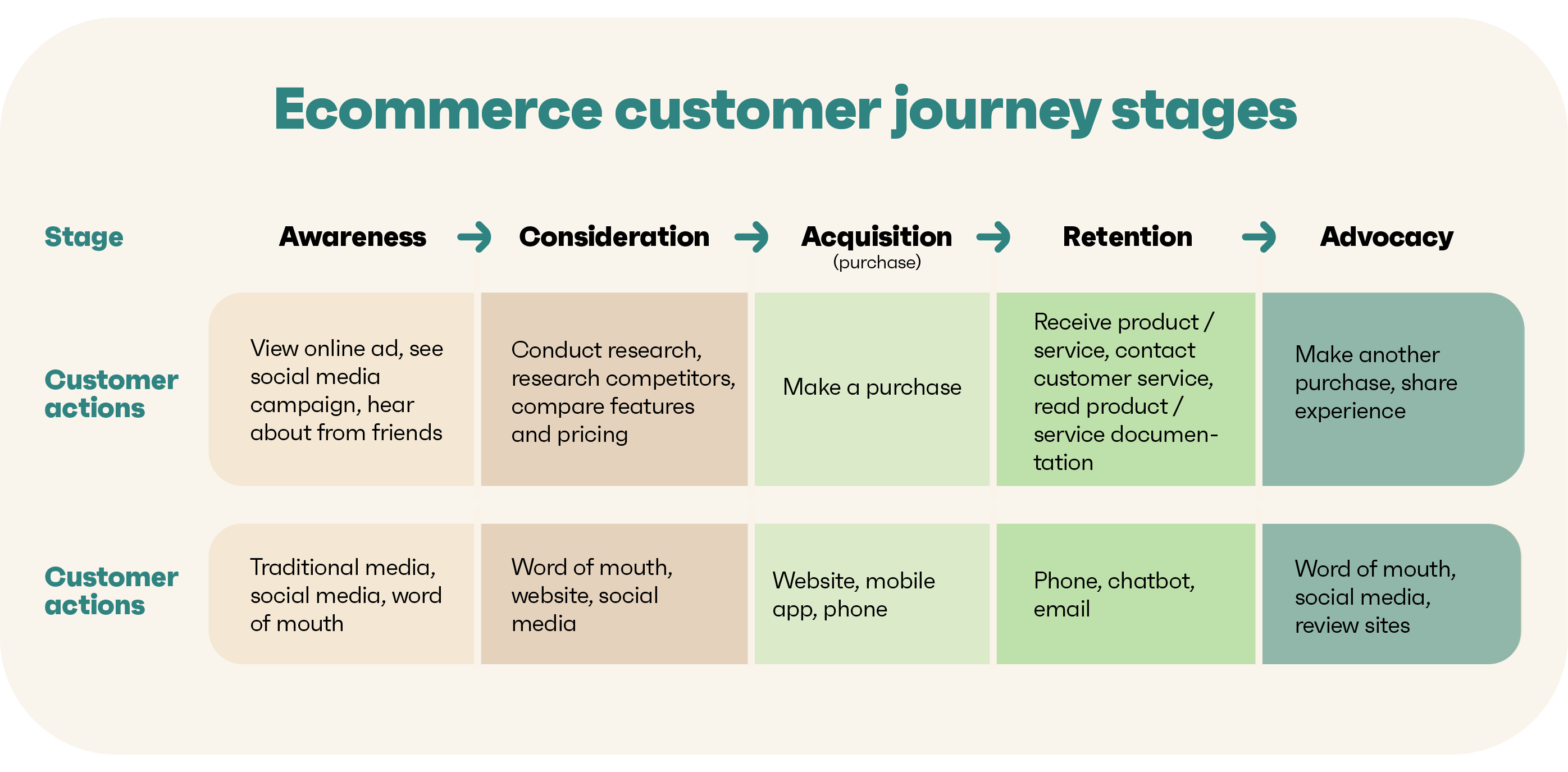

SaaS & Subscription Businesses
SaaS teams use CXC technology to:
• Track onboarding friction
• Monitor feature adoption
• Trigger lifecycle-based messaging
• Predict churn based on usage signals
A drop in logins isn’t just “usage data.”
In CXC systems, it’s an experience warning.
E-commerce & Retail
Retail brands apply CXC technology to:
• Personalize product discovery
• Reduce cart abandonment
• Connect online and offline behavior
• Optimize post-purchase experience
The magic isn’t personalization—it’s relevance at the right moment.
Financial Services & Fintech
Banks and fintech companies rely on CXC technology to:
• Reduce friction in onboarding
• Monitor trust signals
• Detect dissatisfaction early
• Meet compliance without hurting UX
In regulated industries, experience failures equal lost trust.
Healthcare & Services
Healthcare organizations use CXC platforms to:
• Improve appointment scheduling
• Reduce no-shows
• Streamline patient communication
• Measure emotional experience—not just outcomes
Here, CX isn’t a metric. It’s patient safety.
Step-by-Step: How to Implement CXC Technology the Right Way
This is where most teams go wrong—so read slowly.
Step 1: Map the actual customer journey (not the ideal one)
Start with reality, not slides.
Document:
• First touchpoint
• Key decision moments
• Friction points
• Emotional highs and lows
If your internal map doesn’t match customer feedback, trust the customer.
Step 2: Centralize customer data before adding tools
Fragmented data kills CXC initiatives.
Prioritize:
• Unified customer profiles
• Cross-channel identifiers
• Clean data flows
A basic CDP often delivers more value than five disconnected tools.
Step 3: Choose tools that integrate, not just impress
Look for:
• Native integrations
• API flexibility
• Real-time capabilities
• Actionability—not just reporting
Pretty dashboards don’t fix broken experiences.
Step 4: Automate with empathy
Automation should:
• Remove friction
• Speed up resolution
• Preserve context
Never automate away accountability.
Step 5: Measure what customers actually feel
Combine:
• Behavioral data
• Sentiment analysis
• Feedback loops
• Outcome metrics
Numbers matter—but emotions predict loyalty.
Tools, Platforms & Expert Recommendations

Enterprise-Grade Platforms
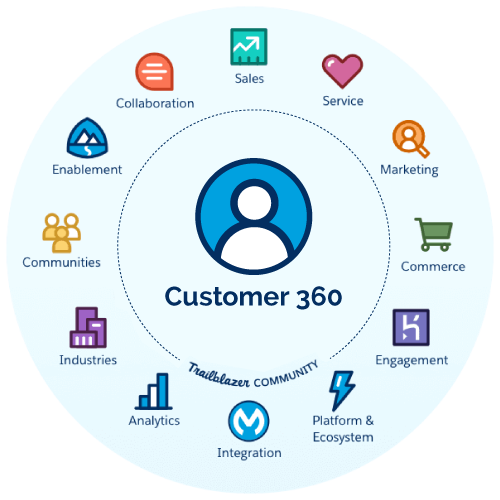
• Salesforce – Powerful, customizable, complex
• Adobe Experience Cloud – Best for data-heavy organizations
Pros: Scalability, depth
Cons: Cost, implementation time
Mid-Market & Growing Teams
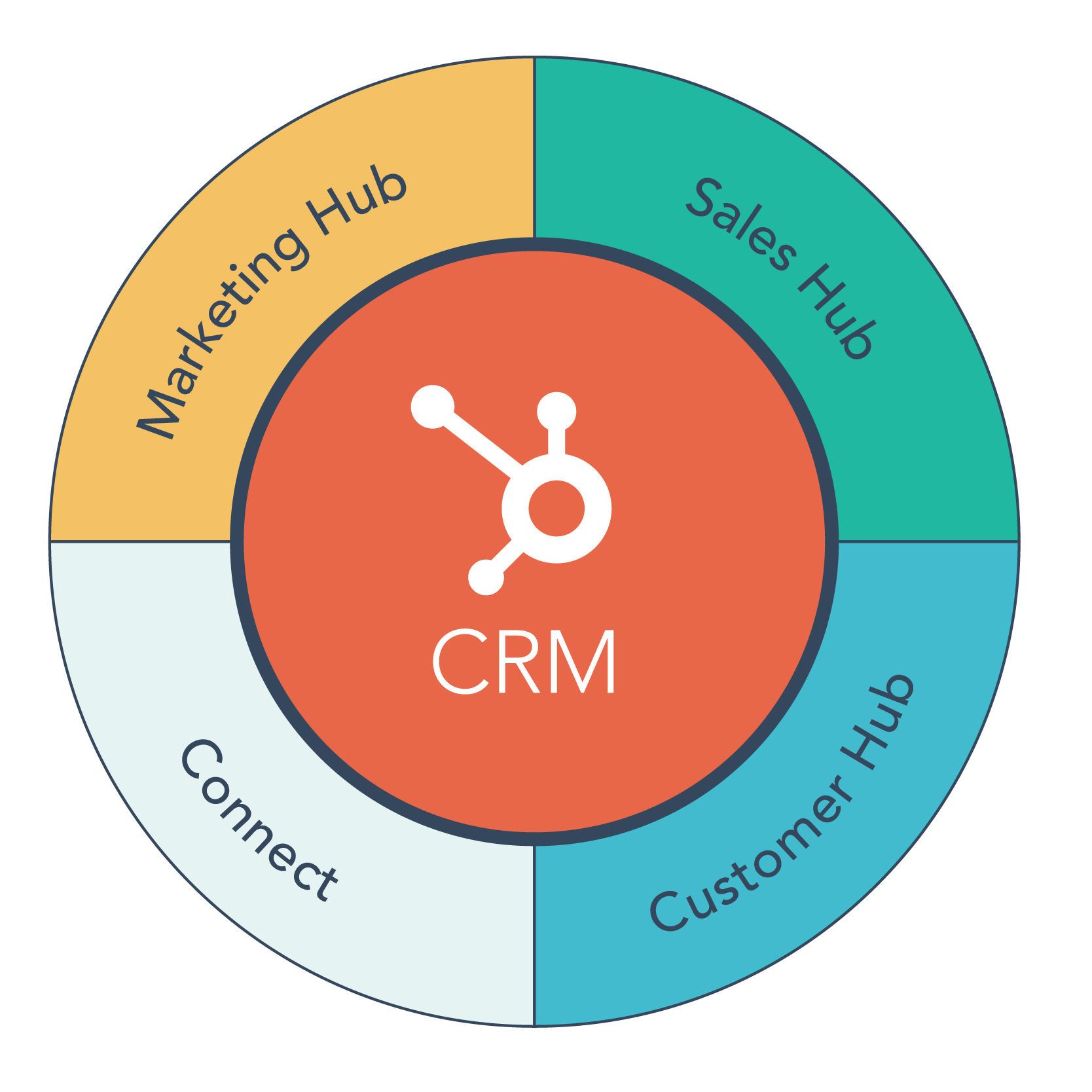
• HubSpot – Strong all-in-one ecosystem
• Zendesk – Excellent support-centric CX
Pros: Faster setup, usability
Cons: Limited advanced orchestration
Conversational & Messaging-Led CX
• Intercom – Best for real-time engagement
Pros: Human-feeling automation
Cons: Can become expensive at scale
Expert takeaway:
Start smaller. Prove impact. Then expand.
Common CXC Technology Mistakes (And How to Avoid Them)
Mistake 1: Buying tools without a CX strategy
Tools don’t create experience—people and process do.
Fix: Define outcomes before software.
Mistake 2: Measuring vanity metrics
High NPS means nothing if churn is rising.
Fix: Tie metrics to behavior and revenue.
Mistake 3: Over-automation
Customers can feel when empathy is missing.
Fix: Keep humans visible in critical moments.
Mistake 4: Ignoring internal experience
Employee friction becomes customer friction.
Fix: Optimize internal workflows first.
The Future of CXC Technology
CXC technology is moving toward:
• Predictive experience management
• AI-driven personalization
• Real-time sentiment response
• Experience orchestration, not reporting
The winners won’t be those with the most tools—but those who act fastest on insight.
Conclusion: Why CXC Technology Is a Long-Term Advantage
CXC technology isn’t about chasing trends.
It’s about building resilient, human-centered systems that scale with your business.
When done right, it:
• Reduces chaos
• Builds trust
• Protects growth
• Turns customers into advocates
If you’re serious about long-term success, CXC technology isn’t optional anymore—it’s foundational.
FAQs
What does CXC stand for in technology?
CXC typically refers to Customer Experience & Customer-Centric technology systems.
Is CXC technology only for large enterprises?
No. Small teams often benefit more due to efficiency gains.
How is CXC different from CRM?
CRM stores data. CXC orchestrates experiences across systems.
How long does implementation take?
Anywhere from weeks to months, depending on scope.
Does CXC technology replace human support?
No. It augments humans—it doesn’t replace empathy.

Adrian Cole is a technology researcher and AI content specialist with more than seven years of experience studying automation, machine learning models, and digital innovation. He has worked with multiple tech startups as a consultant, helping them adopt smarter tools and build data-driven systems. Adrian writes simple, clear, and practical explanations of complex tech topics so readers can easily understand the future of AI.