

Have you ever chatted with a bot that made you feel oddly understood—or, on the flip side, one that made you want to close the tab within seconds? That difference isn’t luck. It’s conversational AI design at work.
Conversational AI design sits at the intersection of technology, psychology, language, and user experience. It’s not just about making AI talk; it’s about making it communicate. When done well, conversational AI design feels effortless, human, and helpful. When done poorly, it feels cold, confusing, or downright frustrating.
In today’s world—where chatbots answer customer questions, voice assistants manage schedules, and AI copilots help us write, shop, and learn—conversational AI design is no longer optional. It’s a competitive advantage.
In this guide, you’ll learn what conversational AI design really means, why it matters, how to do it step by step, which tools actually help, and the most common mistakes that quietly kill user trust. This article is written from real-world experience designing, testing, and fixing AI conversations that people actually use—not just admire in demos.
If you care about engagement, retention, and trust, this is for you.
What Is Conversational AI Design?

Conversational AI design is the practice of designing how humans interact with AI through natural language—text or voice—in a way that feels intuitive, purposeful, and human-centered.
Think of it like writing a screenplay for an AI. You’re not just deciding what the AI says, but how, when, and why it says it. Tone, timing, personality, error handling, and context awareness all matter.
A helpful analogy: traditional UX design is like designing a vending machine. Conversational AI design is like training a barista. The barista needs to:
- Understand intent (“I want coffee” vs. “I need caffeine”)
- Ask smart follow-up questions
- Handle mistakes gracefully
- Match tone to the customer’s mood
In conversational AI design, you define:
- User intents (what people are trying to do)
- Utterances (how they say it)
- Conversation flows (how the dialogue progresses)
- Fallbacks (what happens when things go wrong)
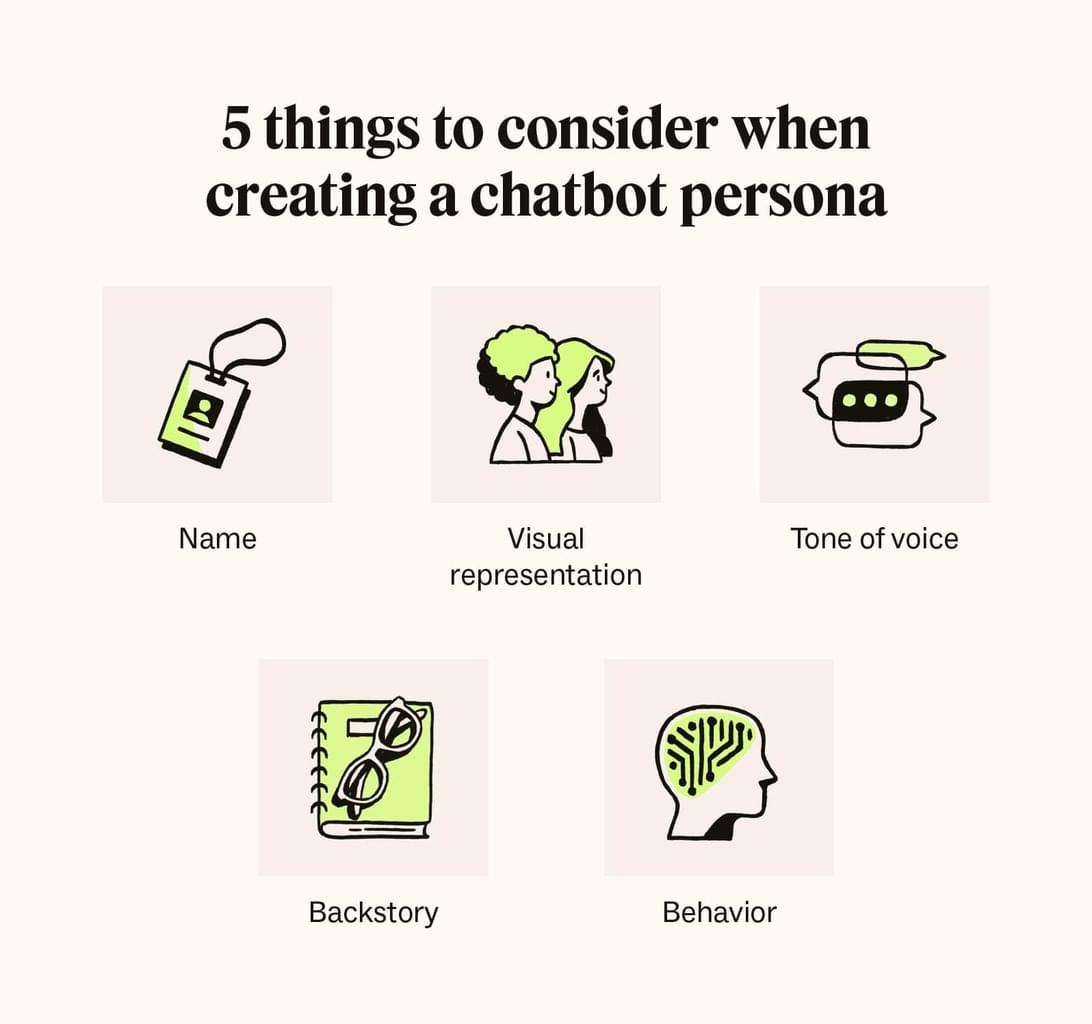
- Personality and tone (formal, friendly, playful, expert)
Good conversational AI design feels invisible. Users don’t think, “I’m talking to an AI.” They think, “That was easy.”
Bad design does the opposite—it reminds users every second that they’re talking to a machine.
Why Conversational AI Design Matters More Than Ever
Conversational AI is no longer a novelty. It’s embedded in products, customer support, healthcare, finance, education, and ecommerce. As adoption grows, user expectations grow even faster.
People now expect AI to:
- Understand context
- Remember previous inputs
- Respond quickly and clearly
- Admit limitations honestly
When conversational AI design is weak, users lose trust immediately. They abandon chats, escalate to humans, or avoid the product entirely. When it’s strong, users engage longer, complete tasks faster, and feel confident in the brand behind the AI.
There’s also a business impact. Well-designed conversational AI can:
- Reduce support costs
- Increase conversion rates
- Improve customer satisfaction (CSAT)
- Scale personalized experiences
But none of that happens by accident. Conversational AI design is what turns raw AI capability into real-world value.
Benefits and Real-World Use Cases of Conversational AI Design
Conversational AI design shines brightest when it’s applied to real problems, not flashy demos. Let’s look at where it delivers the most value.
Customer Support and Service
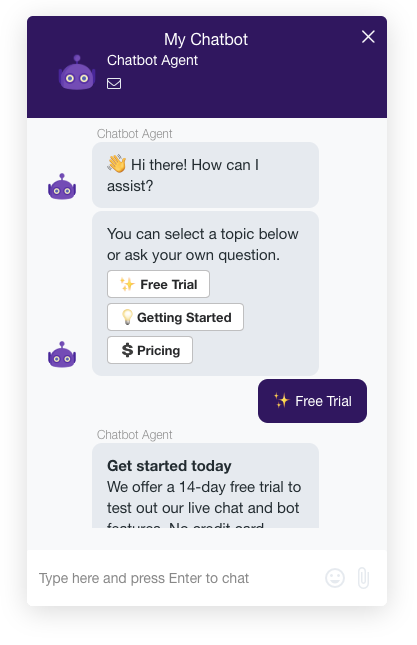
In customer support, conversational AI design determines whether a chatbot resolves issues or creates new ones. A well-designed bot:
- Clarifies the problem before responding
- Offers concise, relevant solutions
- Knows when to escalate to a human
For example, instead of asking, “What is your issue?” a better-designed bot asks, “Are you having trouble logging in, updating billing, or something else?” That single design choice dramatically improves resolution rates.
Sales and Lead Qualification
Conversational AI design can guide users toward the right product without feeling pushy. By asking thoughtful questions and responding naturally, AI can qualify leads, recommend solutions, and even close deals.
The key is tone. Sales bots fail when they sound scripted. They succeed when they sound curious and helpful.
Healthcare and Wellness
In healthcare, conversational AI design must prioritize clarity, empathy, and safety. Patients don’t want jargon or robotic replies. They want reassurance, simple explanations, and clear next steps.
Designing for emotional context here isn’t optional—it’s essential.
Internal Tools and Productivity
Inside organizations, conversational AI design powers copilots that help employees search documents, generate reports, or automate tasks. The best designs feel like a knowledgeable colleague, not a command-line interface.
Step-by-Step Guide to Conversational AI Design

4
Step 1: Start With User Intent, Not Technology
Every strong conversational AI design starts with understanding what users actually want. Not what stakeholders think they want—but what they’re trying to accomplish in real life.
Gather data from:
- Customer support tickets
- Search queries
- Chat transcripts
- User interviews
Group intents into clear categories. Avoid overengineering early. Fewer, well-defined intents outperform dozens of vague ones.
Step 2: Design Conversation Flows Like Real Dialogue
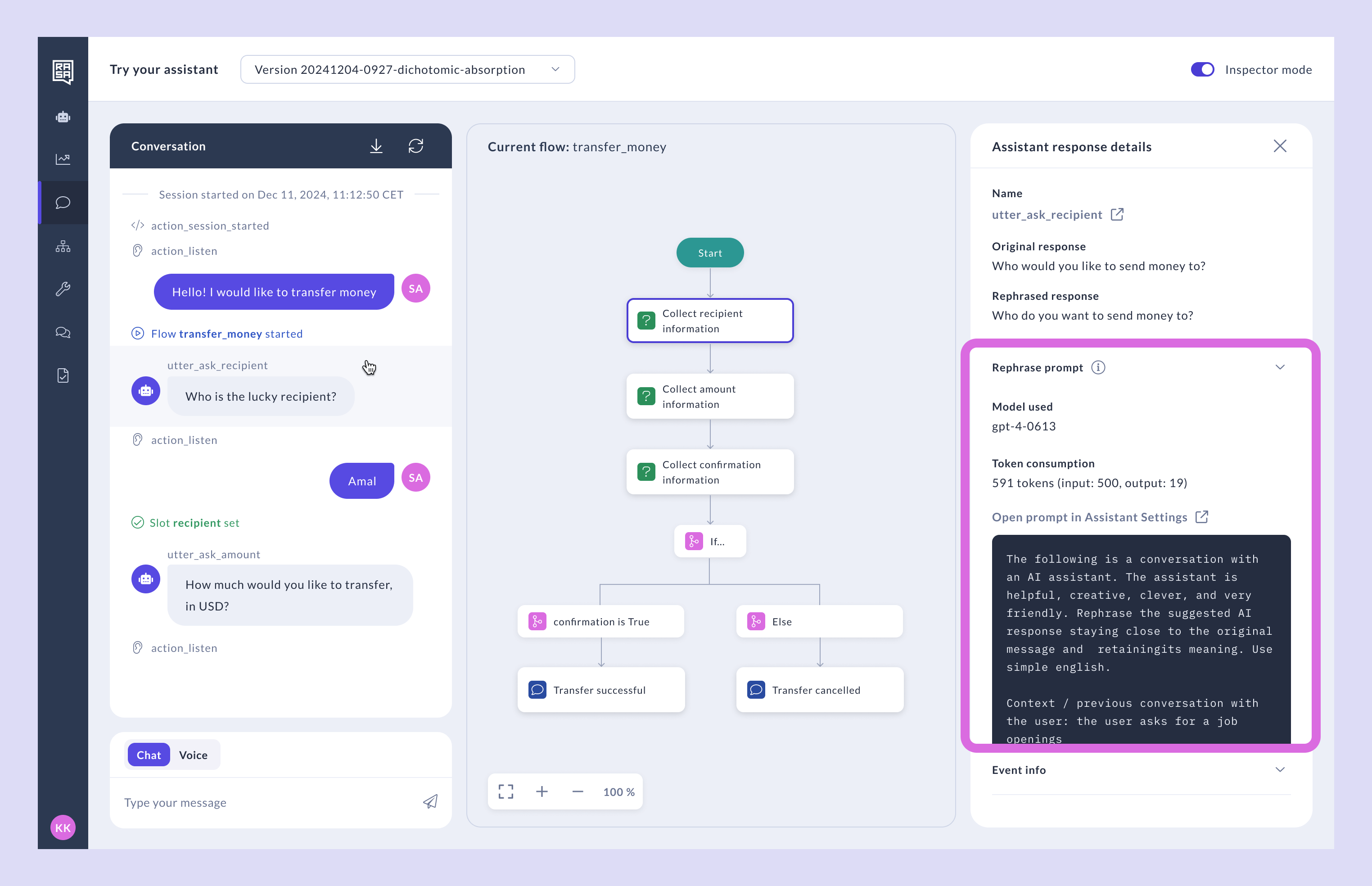
Conversation isn’t linear. Users jump topics, correct themselves, and change their minds. Your conversational AI design should reflect that reality.
Map flows that include:
- Clear openings
- Context-aware follow-ups
- Confirmation steps
- Graceful exits
Read every flow out loud. If it sounds awkward when spoken, it will feel awkward to users.
Step 3: Define Personality and Voice
Personality isn’t about jokes—it’s about consistency. Decide:
- Formal vs. casual
- Short vs. explanatory
- Neutral vs. expressive
Document this in a voice and tone guide. Every response should feel like it came from the same “character.”
Step 4: Design for Failure (Because It Will Happen)
No AI understands everything. Great conversational AI design plans for misunderstandings.
Strong fallback responses:
- Admit uncertainty
- Ask clarifying questions
- Offer alternatives
Never blame the user. Ever.
Step 5: Test, Learn, Iterate
Launch is just the beginning. Review conversations weekly. Look for:
- Drop-off points
- Repeated misunderstandings
- Escalation triggers
Conversational AI design is a living system, not a one-time project.
Tools, Comparisons, and Recommendations

4
Choosing the right tools can make or break your conversational AI design workflow. Here’s an honest breakdown based on real usage.
Popular Platforms
- Dialogflow
Great for structured intents and enterprise use. Strong NLU, but conversation design can feel rigid. - Rasa
Excellent control and privacy. Steeper learning curve, but unmatched flexibility. - Botpress
Strong visual flow builder and developer-friendly. Good balance of power and usability. - OpenAI APIs
Ideal for generative conversational AI design. Requires strong guardrails and prompt discipline.
Free vs. Paid Tools
Free tools work well for prototypes and learning. Paid tools shine when you need:
- Analytics
- Scaling
- Compliance
- Team collaboration
My recommendation: prototype cheap, scale smart.
Common Conversational AI Design Mistakes (and How to Fix Them)
Mistake 1: Overloading the AI With Personality
Too much humor or cleverness quickly becomes annoying. Fix this by prioritizing clarity over charm.
Mistake 2: Asking Open-Ended Questions Too Early
“What can I help you with?” sounds friendly but often confuses users. Offer options instead.
Mistake 3: Ignoring Emotional Context
If a user sounds frustrated, your AI shouldn’t sound cheerful. Sentiment-aware responses dramatically improve trust.
Mistake 4: Poor Error Handling
Generic fallback messages kill confidence. Design specific recovery paths instead.
Mistake 5: Treating Design as a One-Time Task
Conversational AI design requires continuous improvement. Schedule regular reviews.
Conclusion
Conversational AI design is where AI stops being impressive and starts being useful.
When you design conversations with empathy, clarity, and intention, users feel supported—not managed. They trust the system, engage longer, and come back more often. Whether you’re building a chatbot, voice assistant, or AI copilot, the principles remain the same: start with humans, design for reality, and iterate relentlessly.
If you’re serious about building AI experiences people actually enjoy using, conversational AI design isn’t just a skill—it’s a mindset.
Try reviewing one real conversation from your product today. You’ll be surprised how much insight it reveals.
FAQs
What is conversational AI design in simple terms?
Conversational AI design is the process of designing how AI communicates with humans through natural language in a helpful, human-centered way.
How is conversational AI design different from chatbot development?
Development focuses on technology. Conversational AI design focuses on dialogue, tone, intent, and user experience.
Do I need coding skills for conversational AI design?
Not always. Many designers work closely with developers while focusing on flows, language, and UX.
What industries benefit most from conversational AI design?
Customer support, healthcare, finance, ecommerce, and internal enterprise tools see the biggest gains.
How long does it take to design a good conversational AI?
Initial design can take weeks, but refinement is ongoing. The best systems evolve continuously.

Adrian Cole is a technology researcher and AI content specialist with more than seven years of experience studying automation, machine learning models, and digital innovation. He has worked with multiple tech startups as a consultant, helping them adopt smarter tools and build data-driven systems. Adrian writes simple, clear, and practical explanations of complex tech topics so readers can easily understand the future of AI.