
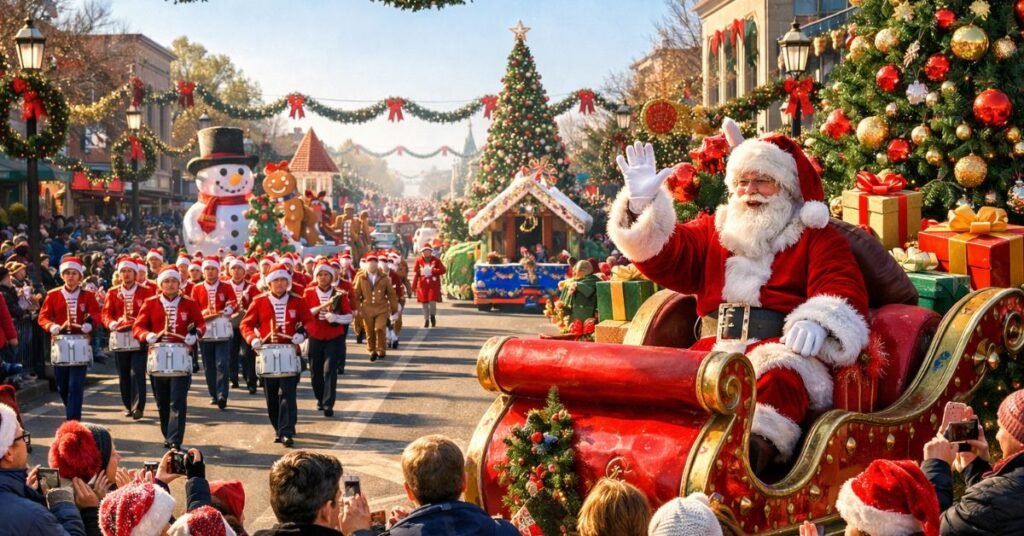
If you’ve ever woken up on Christmas morning to the sound of laughter, music drifting from the TV, and the smell of something warm cooking in the kitchen, there’s a good chance a Christmas Day parade was playing in the background. For many families, it’s as much a tradition as opening gifts or sharing a holiday meal.
Over the years, I’ve watched Christmas parades from packed sidewalks, quiet living rooms, and even behind the scenes while researching how these events are organized. What struck me most wasn’t just the spectacle—it was how deeply these parades connect people. They blend celebration, storytelling, and community in a way few events can.
In this guide, you’ll learn what a Christmas Day parade really is, why it exists, how it works, and how to experience it fully—whether you’re attending in person or watching from home.
What Is a Christmas Day Parade?


A Christmas Day parade is a festive public procession held on December 25, featuring floats, performers, music, and holiday themes. While styles vary by location, the goal is always the same: to celebrate Christmas in a joyful, shared way.
Think of it as a moving holiday stage. Instead of sitting in a theater, the performance comes to you—rolling down streets or beamed live into homes.
Historically, parades were a way to mark important cultural moments. Christmas parades evolved from winter festivals and religious processions, later merging with modern entertainment, television, and tourism. Today, some are local and community-driven, while others are massive broadcast events watched worldwide.
The most famous example is the Disney Christmas Day Parade, which combines musical performances, celebrity appearances, and iconic Disney floats. It’s filmed at theme parks but presented as a Christmas morning event, creating a sense of shared celebration across millions of households.
Why Christmas Day Parades Exist
Christmas Day parades didn’t emerge by accident. They exist because they serve emotional, cultural, and social purposes.
First, they bring people together. On a day centered around family, a parade becomes a collective experience—something everyone can enjoy regardless of age or background.
Second, they reinforce tradition. Familiar characters, songs, and visuals return each year, creating continuity. Even when performers change, the feeling stays the same.
Third, they offer comfort. I’ve spoken with people who watch the parade alone each year and still feel connected to something bigger. That matters more than we often admit.
Finally, parades help cities and organizations share stories. Whether it’s a small town celebrating local volunteers or a global brand showcasing performers, each parade tells a version of what Christmas means to them.
Benefits and Real-World Use Cases


A Christmas Day parade offers more than entertainment. Its benefits are practical and emotional.
For families, it creates shared moments. Watching or attending together gives everyone something to talk about before the day gets busy.
For communities, parades boost local pride. Small towns often use them to highlight schools, charities, and local talent.
For performers, it’s a platform. Marching bands, dancers, and singers gain exposure and experience performing for large audiences.
For viewers at home, it’s accessible joy. You don’t need tickets, special knowledge, or travel plans to enjoy it.
That said, parades aren’t for everyone. Crowds can be overwhelming, and televised events can feel commercialized. Knowing what you want from the experience helps you choose how to engage.
How a Christmas Day Parade Works (Step by Step)
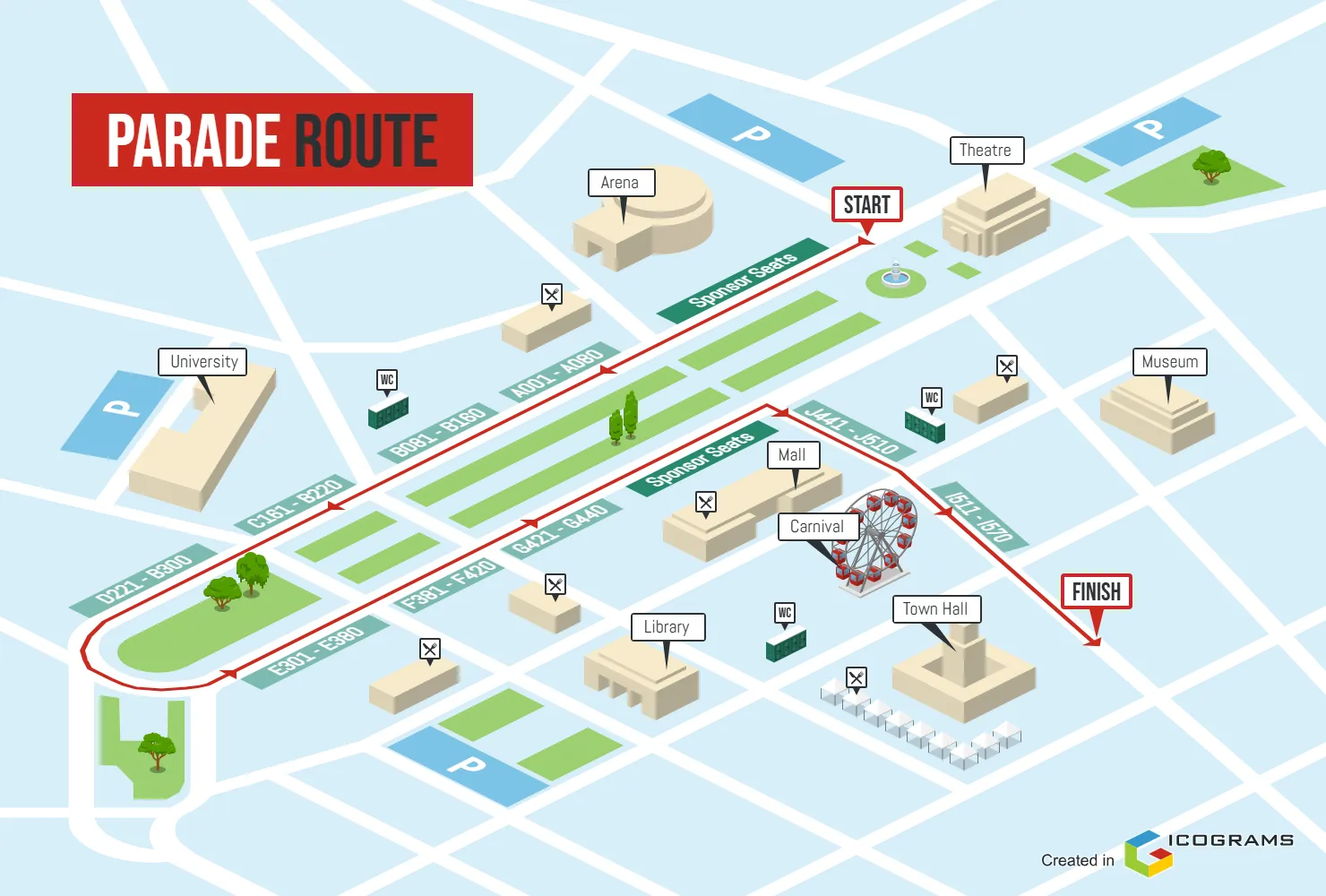
1. Planning and Theme Selection
Months in advance, organizers choose themes, performers, and routes. Themes guide float design, music choices, and costumes.
2. Rehearsals and Construction
Floats are built, routines practiced, and logistics tested. Weather contingencies are planned early.
3. Filming or Live Execution
Some parades are fully live. Others, like Disney’s, are pre-recorded and edited for broadcast.
4. Broadcast and Distribution
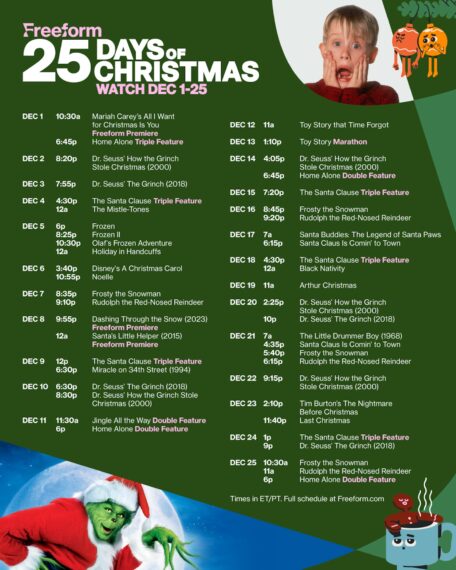
Major parades air on networks like American Broadcasting Company and stream on platforms such as Hulu and Disney+.
5. Audience Participation
Viewers cheer, sing along, and share reactions online, extending the event beyond its runtime.
Tools, Methods, and Resources to Enjoy It More
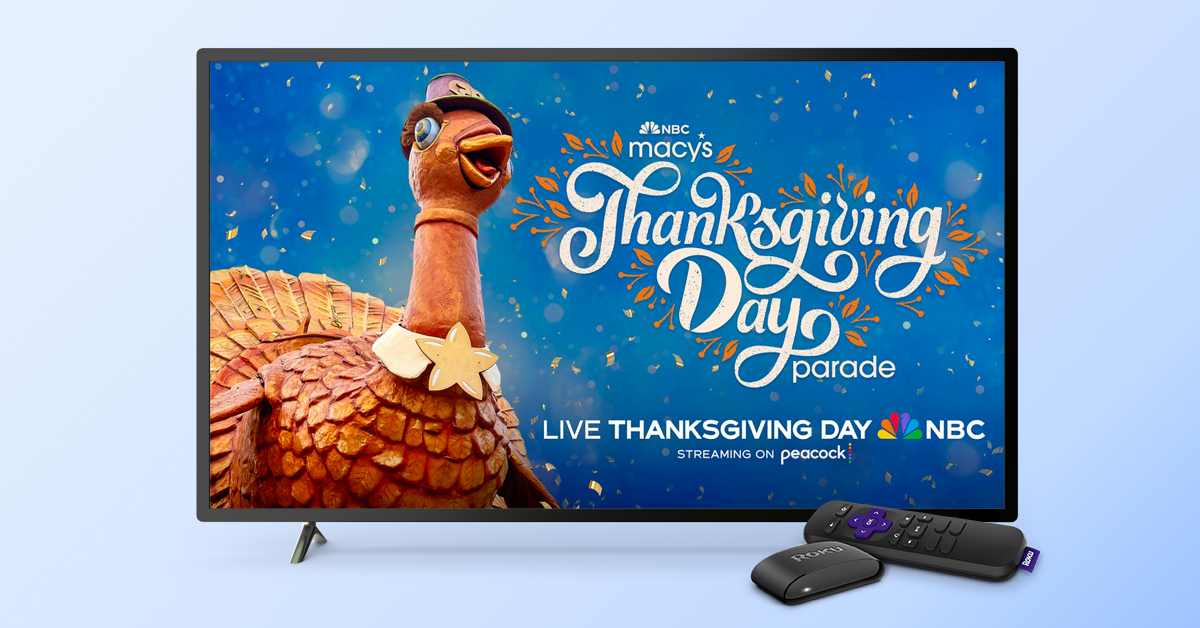
To get the most from a Christmas Day parade, preparation helps.
If watching at home:
- Check local TV schedules early.
- Use DVR or streaming replays if mornings are busy.
- Create a cozy viewing setup with snacks and seating.
If attending in person:
- Arrive early for good viewing spots.
- Dress warmly and plan for restrooms.
- Bring hearing protection for young kids near bands.
For parents, explaining what kids will see helps manage expectations. For adults, knowing performers in advance can deepen enjoyment.
Common Mistakes and How to Fix Them
One common mistake is assuming all parades are live. Many televised events are edited, which isn’t bad—but it’s good to know.
Another mistake is overplanning. Trying to catch every performance can turn a joyful event into a checklist.
Crowd mismanagement is another issue. Standing too close to floats or speakers can overwhelm children.
Finally, some people skip parades entirely, thinking they’re only for kids. In reality, many adults rediscover holiday joy through these events.
The fix is simple: set realistic expectations, stay flexible, and focus on the moments that matter most.
The Cultural Impact of Christmas Day Parades


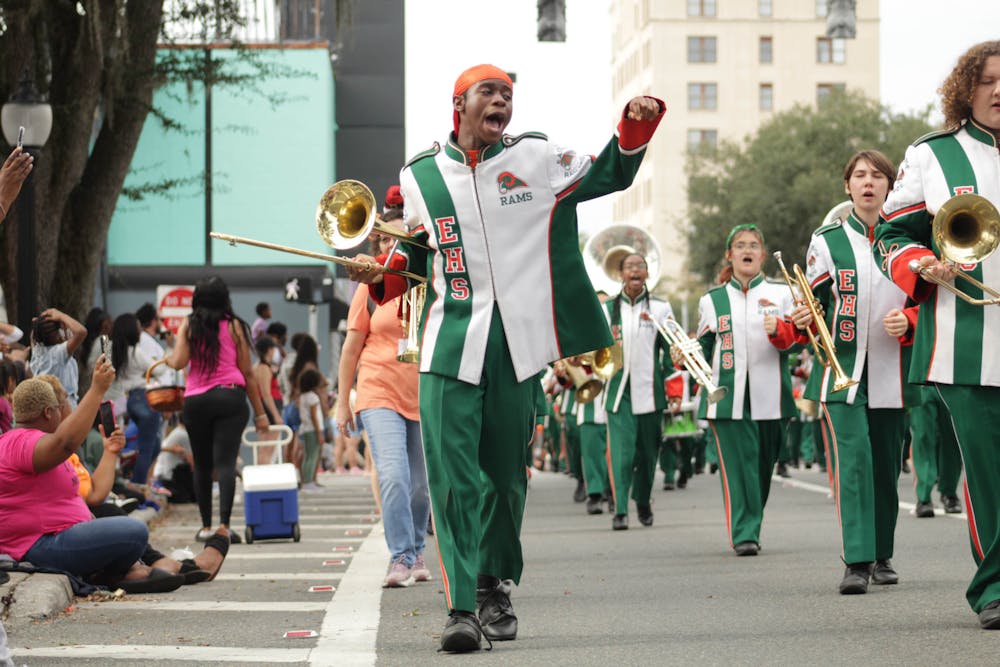
Christmas Day parades shape how modern Christmas looks and feels. Songs debut, traditions evolve, and shared references form.
For example, performances featured in Disney’s parade often introduce holiday music to new audiences. Over time, these moments become part of collective memory.
Parades also reflect change. Diversity in performers, themes, and storytelling has grown, making events more inclusive than in decades past.
In that sense, a Christmas Day parade isn’t frozen in time. It grows with the audience it serves.
Conclusion
A Christmas Day parade is more than a festive distraction. It’s a blend of tradition, performance, and shared experience that brings people together when it matters most.
Whether you watch from your couch or stand along a chilly street, the value lies in participation. You’re joining millions of others in a moment of celebration that transcends location.
If you’ve never paid much attention to Christmas parades before, this year might be the perfect time to start. Watch closely, notice the details, and let yourself enjoy the simple magic they offer.
FAQs About Christmas Day Parades
What time does the Christmas Day parade usually start?
Most televised parades air in the morning, typically between 8 and 11 a.m., depending on the network and location.
Is the Disney Christmas Day Parade live?
It’s usually pre-recorded and edited for broadcast, though it’s presented as a live event.
Can I stream the Christmas Day parade online?
Yes. Many parades stream through network apps and services like Hulu and Disney+.
Are Christmas Day parades kid-friendly?
Yes, but loud music and crowds may require preparation for younger children.
Do small towns have Christmas Day parades too?
Some do, though many hold parades earlier in December due to logistics.
Why are parades important on Christmas Day?
They create shared traditions, foster community, and offer accessible entertainment.
Can I attend a major parade in person?
Some allow spectators, but many televised events are filmed in controlled environments.
What should I bring if attending a parade live?
Warm clothing, snacks, water, and patience go a long way.

Hannah Price is a digital journalist who covers breaking news, global events, and trending stories with accuracy and speed. She has previously contributed to several online magazines and has built a reputation for verifying facts before publishing. Hannah believes in responsible reporting and aims to present stories in a way that readers can trust.