

If you’ve ever wondered where many of the world’s biggest scientific ideas quietly take shape—before they become headlines, startups, or Nobel Prizes—the answer often traces back to the California Institute of Technology.
This isn’t a university that tries to impress with size, flashy rankings, or sprawling campuses. In fact, most people are surprised when they learn how small Caltech really is. What it lacks in scale, it more than makes up for in intensity, focus, and raw intellectual output. Caltech operates more like a high-pressure research lab than a traditional college—and that’s exactly the point.
This guide is written for students considering elite STEM paths, parents trying to understand whether Caltech is worth the hype, professionals curious about how top-tier research institutions actually function, and anyone fascinated by how science moves from theory to real-world impact. By the end, you’ll understand not just what Caltech is, but how it works, who thrives there, and why its influence far exceeds its footprint.
Understanding the California Institute of Technology From the Ground Up
At its core, the California Institute of Technology is a private research university located in Pasadena, California. But calling it simply a “university” misses the nuance. Caltech is better described as an ecosystem designed to push scientific thinking to its limits.
Founded in 1891 and transformed into a scientific powerhouse in the early 20th century, Caltech built its reputation by doing a few things exceptionally well: hiring brilliant minds, keeping student numbers intentionally small, and refusing to compromise on academic rigor. Unlike broad-based universities that spread resources across dozens of unrelated disciplines, Caltech focuses intensely on science, engineering, mathematics, and related fields.
One useful analogy is this: if most universities are cities, Caltech is a precision-engineered laboratory. Every department, course, and research initiative exists to support deep inquiry. Students aren’t just learning established knowledge; they’re often participating in the creation of new knowledge before they graduate.
For beginners, this can sound intimidating—and it should, to an extent. Caltech is not designed to be comfortable. It’s designed to be transformative. The environment rewards curiosity, resilience, and a willingness to struggle through complex problems until clarity emerges.
Who Benefits Most From the California Institute of Technology Experience
Caltech is not for everyone, and that’s part of its strength. The people who benefit most tend to share a few common traits, regardless of background.
First, Caltech attracts students who genuinely enjoy hard problems. These aren’t individuals chasing prestige alone; they’re people who find satisfaction in wrestling with equations, experiments, and abstract ideas for hours at a time. If learning feels like a puzzle rather than a chore, Caltech becomes energizing rather than overwhelming.
Second, the institute serves future researchers, innovators, and technical leaders exceptionally well. Alumni frequently move into PhD programs, research labs, aerospace agencies, quantitative finance, deep-tech startups, and advanced engineering roles. The training emphasizes thinking over memorization, which translates across industries.
Third, industries benefit enormously from Caltech’s output. From space exploration and climate modeling to biomedical engineering and artificial intelligence, Caltech research often shapes entire fields. Its close connection with major research organizations means discoveries don’t stay trapped in academic journals—they turn into real-world systems, tools, and policies.
Before Caltech, many students are top of their class. After Caltech, they understand what it means to work at the frontier of human knowledge. That shift in perspective is one of the institution’s most valuable outcomes.
Academic Life at Caltech: What Studying There Actually Feels Like
Academic life at the California Institute of Technology is intense, structured, and deeply immersive. The workload is heavy, but it’s not busywork. Every assignment exists for a reason, often building toward a deeper conceptual understanding rather than a simple grade.
Classes are small—sometimes shockingly small. It’s not unusual to take a course taught by a professor who literally wrote the textbook or pioneered the research field you’re studying. Office hours feel less like formal meetings and more like collaborative problem-solving sessions.
One defining feature is the Honor Code, which governs academic and personal conduct. It’s simple in wording but profound in practice, fostering trust and independence. Exams may be take-home or unproctored, emphasizing mastery over surveillance. This environment mirrors real scientific work, where integrity matters more than oversight.
Students often describe the experience as challenging but fair. You’re expected to struggle, but you’re never left without support. Peers collaborate closely, and competition tends to focus on ideas rather than grades. Over time, students develop confidence not because things are easy, but because they’ve learned how to tackle the hardest problems systematically.
Research, Innovation, and Real-World Impact

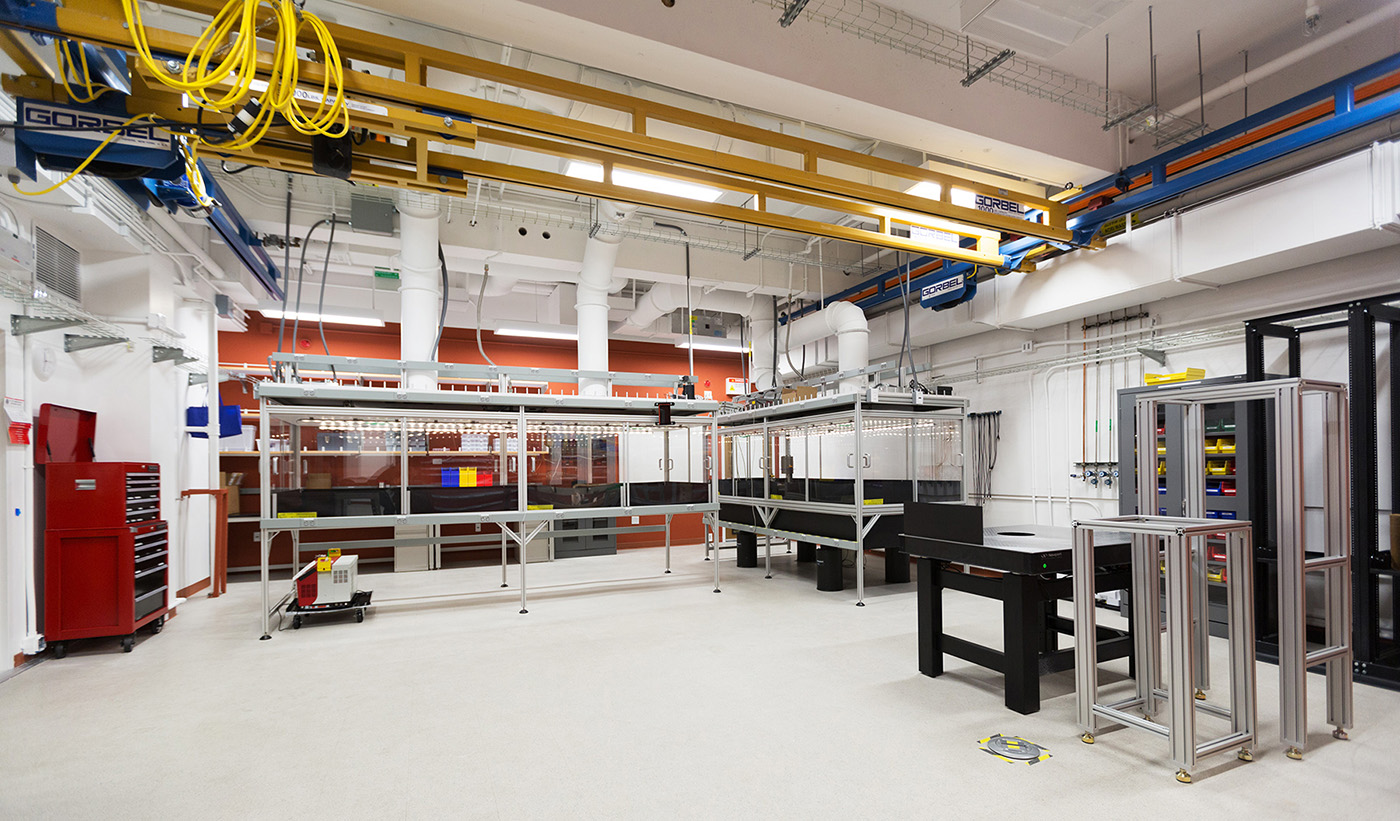

Research is not an extracurricular activity at Caltech—it’s the backbone of the institution. Undergraduate students frequently join research groups early, sometimes in their first year. This exposure reshapes how they think about learning, turning theory into applied understanding.
Caltech’s research culture emphasizes depth over volume. Projects often span years and involve interdisciplinary collaboration. A physics problem might involve computer science, materials engineering, and applied mathematics, all working together toward a single breakthrough.
The results speak for themselves. Caltech researchers have contributed to discoveries ranging from fundamental particles to climate modeling systems used worldwide. The institute’s influence extends into aerospace, biotechnology, energy systems, and computational science.
What makes this environment unique is accessibility. Professors are not distant figures; they’re active collaborators. Students learn how to ask better questions, design experiments, and handle failure—skills that matter far beyond academia.
Thriving at the California Institute of Technology requires more than intelligence. It demands strategy, self-awareness, and adaptability. While every student’s path is unique, some patterns consistently lead to success.
The first step is embracing difficulty early. Many students struggle during the initial terms, not because they’re unprepared, but because expectations shift dramatically. Accepting that confusion is part of the process prevents burnout and impostor syndrome.
Next, building strong peer networks is essential. Collaboration isn’t optional; it’s how learning happens. Study groups, shared problem sets, and late-night discussions often lead to breakthroughs that wouldn’t happen alone.
Time management becomes critical. With fewer distractions but higher cognitive demands, students must learn to balance deep work with rest. Burnout helps no one, and Caltech culture increasingly acknowledges the importance of mental health.
Finally, engaging in research early accelerates growth. Even if you’re unsure about a specific field, hands-on work clarifies interests and builds confidence. Many students discover their true passion not in lectures, but in labs and workshops.
Tools, Programs, and Expert Recommendations for Prospective Students
Caltech doesn’t overwhelm students with unnecessary tools, but it provides access to world-class resources. From advanced laboratories to high-performance computing systems, students work with equipment most institutions reserve for graduate researchers.
For prospective applicants, the most important “tool” is preparation mindset. Depth matters more than breadth. Demonstrated curiosity, independent projects, and sustained interest in complex topics often outweigh superficial achievements.
Compared to larger universities, Caltech offers fewer majors but more customization within them. This structure suits students who want mastery rather than sampling. Those seeking broad exploration across unrelated disciplines may find the environment restrictive.
Experts often recommend that applicants experience research environments before applying. Science fairs, internships, or independent experiments provide insight into whether Caltech’s intensity aligns with your personality and goals.
Common Misconceptions and Costly Mistakes
One common mistake is assuming Caltech is only for geniuses who never struggle. In reality, struggle is universal there. Students who expect constant success often face emotional challenges when reality sets in.
Another misconception is that Caltech lacks social life. While it doesn’t resemble a party school, community bonds are strong. Shared challenges create deep friendships, and campus traditions foster connection.
Some students underestimate the importance of balance. Overworking without rest leads to diminishing returns. Learning when to step back is as important as learning when to push forward.
Finally, many people misunderstand Caltech’s value by focusing solely on rankings. Its true worth lies in how it trains people to think. That benefit compounds over a lifetime, regardless of career path.
The Long-Term Value of a Caltech Education
Graduating from the California Institute of Technology carries long-term advantages that extend beyond credentials. Alumni often describe a lasting shift in how they approach problems, evaluate evidence, and collaborate with others.
Employers recognize Caltech graduates as individuals who can handle ambiguity and complexity. In research, industry, and entrepreneurship, this mindset translates into leadership and innovation.
Perhaps most importantly, Caltech instills intellectual humility. Being surrounded by brilliant peers and mentors teaches students that learning never ends. That attitude fuels continued growth long after formal education concludes.
Conclusion: Is the California Institute of Technology Right for You?
The California Institute of Technology is not about comfort, prestige, or shortcuts. It’s about depth, rigor, and the pursuit of understanding at the highest level. For those who thrive on challenge and curiosity, it can be a life-defining experience.
If you’re drawn to hard problems, value integrity, and want to contribute meaningfully to science or technology, Caltech offers an environment unlike any other. The path is demanding, but the rewards—intellectual, professional, and personal—are profound.
FAQs
What makes the California Institute of Technology different from other elite universities?
Its small size, intense focus on STEM, and research-first culture distinguish it from broader institutions.
Is Caltech only for students who want academic careers?
No. While many pursue research, alumni succeed in industry, startups, finance, and policy.
How competitive is admission to Caltech?
Extremely competitive, with emphasis on depth, curiosity, and demonstrated problem-solving ability.
Do undergraduates really participate in research?
Yes. Research involvement often begins in the first or second year.
Is Caltech worth the stress?
For students aligned with its culture, the growth and opportunities outweigh the challenges.

Adrian Cole is a technology researcher and AI content specialist with more than seven years of experience studying automation, machine learning models, and digital innovation. He has worked with multiple tech startups as a consultant, helping them adopt smarter tools and build data-driven systems. Adrian writes simple, clear, and practical explanations of complex tech topics so readers can easily understand the future of AI.