
If you’ve ever opened an electricity bill and wondered why energy feels so complicated, expensive, and oddly old-fashioned, you’re not alone. For decades, traditional power companies operated with little competition, limited transparency, and pricing structures that felt impossible to decode. Then came a new wave of digital-first utilities designed to simplify everything. One of the most talked-about examples in recent years has been the bulb energy business.
Whether you’re a homeowner researching energy suppliers, an entrepreneur studying disruptive startups, or simply curious about how modern utilities work, understanding the story and structure behind this business model offers valuable insight. The rise, rapid growth, and eventual challenges faced by Bulb reveal powerful lessons about pricing, sustainability, customer experience, and financial resilience.
In this deep guide, you’ll learn what the bulb energy business actually is, how it worked, why it grew so quickly, where it struggled, and what practical lessons consumers and founders can take forward. By the end, you’ll have a clear, real-world understanding of modern energy startups and how they’re reshaping one of the most essential industries on earth.
What the bulb energy business means in simple terms
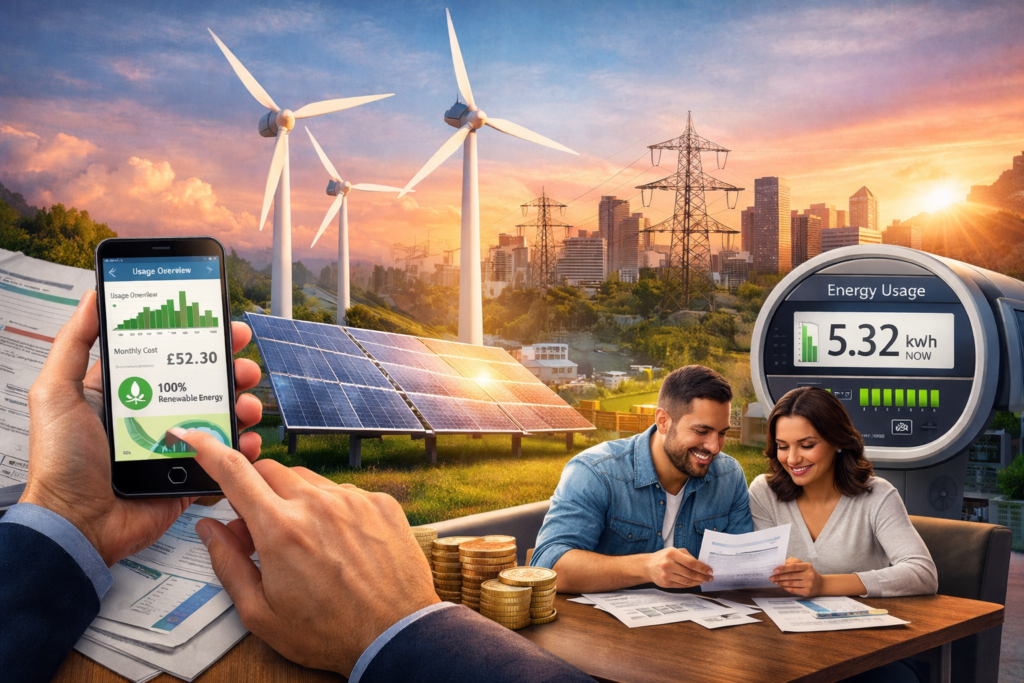
At its core, the bulb energy business represents a modern, technology-driven approach to supplying electricity and gas to households. Instead of relying on outdated billing systems, confusing tariffs, and expensive call centers, the model focuses on simplicity, transparency, renewable energy sourcing, and digital customer service.
Think of it like the difference between a traditional bank branch and a sleek mobile banking app. Both provide the same fundamental service, but one removes friction, reduces overhead, and speaks the language of today’s consumer.
Key characteristics typically associated with this type of energy startup include:
- Flat or simplified pricing structures
- Renewable electricity sourcing or carbon-neutral positioning
- App-based account management
- Minimal physical infrastructure
- Rapid customer acquisition through competitive rates
This approach allowed companies like Bulb to grow extremely fast. Customers frustrated with legacy utilities were eager for something clearer and cheaper. In many ways, the bulb energy business mirrored disruption patterns seen in fintech, transportation, and telecom.
But energy is not just another digital product. It’s tightly regulated, capital-intensive, and deeply exposed to global commodity prices. That reality would later shape the company’s trajectory in ways many early observers didn’t anticipate.
How modern energy startups changed the utility landscape
Before digital challengers arrived, most energy markets looked remarkably similar. Large incumbents dominated supply, switching providers felt tedious, and customer loyalty was driven more by inertia than satisfaction.
New entrants transformed that environment by rethinking three major areas.
First came transparency. Instead of dozens of tariff options filled with fine print, modern suppliers offered straightforward pricing and plain-language communication. Customers could finally understand what they were paying for.
Second was sustainability. Renewable electricity sourcing became a central marketing message, aligning energy consumption with growing environmental awareness. This wasn’t just branding; it reflected a generational shift in consumer priorities.
Third was technology. App-based dashboards allowed users to:
- Track real-time energy usage
- Submit meter readings instantly
- Manage payments without phone calls
- Access support through chat instead of waiting on hold
These improvements might sound simple, but in a historically slow industry, they felt revolutionary. The bulb energy business became a symbol of how even essential infrastructure could evolve when customer experience became the priority.
The origin story and rapid growth of Bulb
The early success of Bulb followed a familiar startup arc: identify a stagnant industry, remove complexity, price aggressively, and scale quickly through word of mouth.
Growth accelerated because the value proposition was easy to explain. Households could switch providers in minutes, save money, and support renewable energy—all without changing how electricity actually reached their home. That combination created powerful momentum.
Several factors fueled expansion:
- Competitive wholesale energy purchasing strategies
- Lean operational structure without legacy costs
- Strong digital marketing and referral programs
- Clear sustainability messaging
Within a relatively short period, customer numbers surged into the millions. Investors viewed the model as proof that utilities could behave like modern tech companies.
Yet rapid growth can hide structural risk. Energy pricing depends on volatile global markets, and aggressive customer acquisition sometimes leaves thin financial margins. These tensions would later test the resilience of the business.
Why the bulb energy business became so popular with consumers
Popularity didn’t happen by accident. The company addressed real frustrations people had lived with for years.
One major advantage was simplicity. Instead of forcing customers to choose between confusing tariff names and contract terms, the service emphasized clarity. Consumers value convenience more than ever, and energy was overdue for that shift.
Another driver was trust. Transparent communication, easy-to-read bills, and renewable positioning created emotional confidence, not just financial appeal. When people feel a brand aligns with their values, loyalty strengthens quickly.
Cost savings also mattered. Even modest monthly reductions become meaningful over a full year, especially during periods of rising living expenses.
Finally, digital convenience sealed the deal. Managing utilities through a smartphone feels natural today, but it represented a major behavioral shift in the energy sector.
Together, these elements explain why the bulb energy business resonated so strongly with modern households.
The business model behind a digital energy supplier
Understanding the economics helps explain both success and vulnerability.
Energy suppliers generally don’t generate electricity themselves. Instead, they purchase power on wholesale markets and resell it to consumers. Profit depends on accurately forecasting prices, managing risk, and maintaining sustainable margins.
Key revenue and cost components include:
Revenue sources
- Monthly customer payments
- Standing charges
- Optional service add-ons
Major costs
- Wholesale electricity and gas purchasing
- Network and infrastructure fees
- Customer service and operations
- Regulatory compliance
Digital-first companies reduce overhead through automation and minimal physical infrastructure. However, they remain exposed to wholesale price spikes. If energy costs rise faster than customer tariffs, margins disappear quickly.
This delicate balance sits at the heart of the bulb energy business story.
Benefits and real-world use cases for consumers
Even with industry volatility, the model delivered tangible advantages for everyday households.
Lower friction switching
Customers could move providers without paperwork or technician visits. The process often took only minutes online.
Clearer budgeting
Simple pricing helped families predict monthly expenses more accurately, reducing financial uncertainty.
Environmental alignment
Renewable sourcing allowed consumers to reduce carbon impact without installing solar panels or changing lifestyle habits.
Digital self-service
From submitting meter readings to tracking consumption trends, users gained real control over their energy data.
These benefits explain why similar digital utilities continue to emerge globally despite challenges faced by individual companies.
Lessons entrepreneurs can learn from the bulb energy business
For founders, this case study is incredibly rich.
Customer experience can disrupt even the oldest industries. Simplicity, transparency, and trust remain powerful competitive advantages.
However, growth without resilient economics is dangerous. Startups operating in commodity markets must prioritize risk management alongside user acquisition.
Important entrepreneurial takeaways include:
- Align pricing strategy with worst-case market scenarios
- Maintain sufficient capital reserves
- Avoid over-reliance on rapid scaling
- Balance sustainability messaging with financial sustainability
These lessons extend far beyond energy. Any founder building in regulated or capital-intensive sectors can learn from this trajectory.
Step-by-step guide: choosing an energy supplier today
If you’re evaluating providers inspired by the bulb energy business model, follow a structured approach.
Step 1: Review your current usage
Check annual consumption in kilowatt-hours and total yearly cost. This baseline prevents misleading comparisons.
Step 2: Compare tariff structures
Look beyond headline rates. Examine standing charges, variable pricing, and contract length.
Step 3: Evaluate renewable claims
Confirm whether electricity comes from certified renewable sources or carbon offsets.
Step 4: Assess customer service quality
Read recent reviews, focusing on billing accuracy and support responsiveness.
Step 5: Check financial stability
Energy suppliers can fail during market shocks. Regulatory protections exist, but stability still matters.
Step 6: Monitor regularly
Reassess annually to ensure continued value.
Following this process helps households make confident, informed energy decisions.
Tools, comparisons, and smart ways to evaluate energy companies
Modern comparison tools simplify research dramatically. Many platforms allow users to enter a postcode and instantly view available tariffs, estimated annual costs, and renewable credentials.
When evaluating options, consider three categories.
Free comparison websites
Useful for quick overviews but may prioritize sponsored listings.
Independent review platforms
Provide real customer feedback about billing, service, and reliability.
Government or regulator resources
Offer unbiased guidance and consumer protections.
Pros of digital energy startups
- Transparent pricing
- Strong sustainability focus
- User-friendly apps
Cons
- Exposure to wholesale price volatility
- Limited historical stability
- Potential rapid scaling risks
Balancing these factors leads to smarter long-term decisions.
Common mistakes people make when switching energy providers
Many consumers rush the process and overlook critical details.
One frequent error is focusing only on introductory pricing. Some tariffs rise significantly after promotional periods.
Another mistake is ignoring standing charges. Even with low unit rates, high fixed fees can increase total cost.
Customers also sometimes forget to submit final meter readings, leading to billing disputes between old and new suppliers.
To avoid problems:
- Calculate full annual cost, not monthly teaser rates
- Read tariff terms carefully
- Keep confirmation emails and meter photos
- Set calendar reminders to review pricing yearly
Small precautions prevent frustrating surprises later.
What happened to Bulb and why it matters for the industry
No discussion of the bulb energy business is complete without addressing its financial challenges.
Extreme global energy price increases created unprecedented pressure across the sector. Companies that had priced aggressively to win customers suddenly faced wholesale costs far above what they could legally charge under regulatory caps.
This mismatch strained finances severely. The situation highlighted how fragile low-margin utility models can become during market shocks.
Yet the broader impact extends beyond one company. Regulators, investors, and entrepreneurs all gained clearer insight into:
- The importance of hedging energy purchases
- The risk of ultra-low pricing strategies
- The need for stronger capital buffers
In many ways, the story accelerated maturity across the entire digital energy startup ecosystem.
The future of digital energy businesses
Despite setbacks, the long-term direction remains clear. Energy is becoming smarter, greener, and more data-driven.
Future developments likely include:
- Real-time dynamic pricing tied to renewable supply
- Home battery integration and smart grid participation
- AI-driven consumption optimization
- Bundled services combining energy, EV charging, and home automation
The original vision behind the bulb energy business—simplicity, sustainability, and digital control—continues shaping innovation worldwide.
Conclusion: the lasting value of the bulb energy business story
The journey of the bulb energy business is more than a single company’s rise and struggle. It’s a window into how essential industries evolve when technology, consumer expectations, and environmental urgency converge.
For consumers, the lesson is empowerment. Understanding tariffs, sustainability claims, and supplier stability leads to smarter energy choices and real savings.
For entrepreneurs, the message is balance. Disruption must pair bold vision with resilient economics, especially in regulated, capital-heavy sectors.
And for the broader energy landscape, the takeaway is optimism. Even challenges accelerate learning, pushing the industry toward cleaner power, clearer pricing, and better customer experiences.
If you’re exploring energy options or studying modern startups, this story remains one of the most instructive case studies of the past decade.
FAQs
What is the bulb energy business in simple terms?
It refers to a digital-first energy supplier model focused on simple pricing, renewable electricity, and app-based customer management.
Why did Bulb grow so quickly?
Clear pricing, sustainability messaging, competitive rates, and easy switching attracted millions of customers rapidly.
What risks affect digital energy suppliers?
Wholesale price volatility, thin margins, regulatory caps, and rapid scaling pressures can all impact financial stability.
Can consumers still benefit from similar energy companies?
Yes. Many modern suppliers continue offering transparent pricing, renewable sourcing, and convenient digital tools.
How do I choose the best energy provider today?
Compare full annual costs, review renewable credentials, check customer service ratings, and monitor tariffs regularly.

Michael Grant is a business writer with professional experience in small-business consulting and online entrepreneurship. Over the past decade, he has helped brands improve their digital strategy, customer engagement, and revenue planning. Michael simplifies business concepts and gives readers practical insights they can use immediately.