A few years ago, a friend of mine decided to simplify her wardrobe. She was tired of decision fatigue, tired of buying clothes she rarely wore, and tired of feeling “overdressed” or “underdressed” no matter where she went. Instead of chasing trends, she made one simple rule: if she loved a piece, she would buy it in blue first. Jeans, blazers, dresses, sweaters blue became her anchor color. Within months, she noticed something unexpected. Getting dressed felt easier. Her outfits looked more intentional. Compliments came more often. Blue quietly solved problems she didn’t even realize she had.
That’s the understated magic of blue outfits.
Blue doesn’t shout for attention. It doesn’t demand perfection. It simply works. Across cultures, age groups, professions, and seasons, blue remains one of the most reliable colors in fashion. Yet despite its popularity, many people still underuse blue or treat it as a “safe” fallback rather than a powerful style tool.
This article is a deep dive into why blue outfits deserve a permanent place in your wardrobe, how to wear them with confidence, and how to make blue feel fresh, modern, and personal rather than predictable. Whether you dress casually, professionally, creatively, or somewhere in between, blue can meet you exactly where you are.
Why Blue Outfits Feel So Right (Even When You Can’t Explain It)
There’s a reason blue feels comfortable almost immediately. Psychologically, blue is associated with calmness, trust, clarity, and balance. It mirrors elements of nature we instinctively find soothing the sky, water, twilight. When translated into clothing, that emotional response doesn’t disappear. It becomes wearable confidence.
In social settings, blue outfits tend to make people appear approachable and grounded. In professional environments, blue signals reliability and competence. In everyday life, blue feels natural rather than forced. Unlike trend-driven colors that can feel dated quickly, blue remains emotionally neutral yet visually strong.
From an NLP and semantic standpoint, blue outfits intersect with concepts like versatility, timeless fashion, capsule wardrobes, color psychology, personal style, and effortless dressing. This makes blue not just a color choice, but a strategic one.
The Many Personalities of Blue: More Than Just One Color
One of the most misunderstood things about blue is the idea that it’s “just blue.” In reality, blue exists on a wide emotional and stylistic spectrum, and each shade tells a different story.
Soft blues such as baby blue, powder blue, and sky blue feel gentle and open. They work beautifully in relaxed outfits, spring wardrobes, and daytime looks. These shades often feel youthful without being immature and are especially effective in breathable fabrics.
Mid-tone blues like classic blue, denim blue, and cornflower blue feel balanced and adaptable. They sit comfortably between casual and polished, making them ideal for transitional outfits that move from day to evening.
Deep blues like navy, indigo, and midnight blue carry authority and elegance. These shades are staples in tailored clothing, formal wear, and winter wardrobes. Navy, in particular, is often considered more refined and flexible than black.
Understanding these nuances allows you to choose blue intentionally rather than instinctively, which is where real style confidence begins.
How Blue Outfits Fit Effortlessly Into Real Life

What makes blue outfits especially valuable is how seamlessly they integrate into daily routines. Blue doesn’t require special occasions or perfect styling conditions. It adapts.
For busy mornings, blue provides a reliable base. A blue shirt with neutral bottoms almost never looks wrong. Blue jeans pair with nearly everything. A blue dress can be styled up or down with minimal effort.
For travel, blue is practical. It mixes well with limited pieces, hides wear better than lighter colors, and works across climates. For parents, blue is forgiving. For professionals, it’s appropriate. For creatives, it’s grounding.
Blue outfits don’t compete with your life they support it.
Building a Wardrobe Around Blue Without Feeling Repetitive
One fear people have is that wearing a lot of blue will feel boring. In reality, repetition creates cohesion, not monotony when done thoughtfully.
The key is variation. Different shades of blue, different fabrics, and different silhouettes keep the wardrobe dynamic. Denim feels casual and structured. Linen feels relaxed. Wool feels refined. Silk feels elevated. All can exist within a blue color palette.
Layering also transforms blue outfits. A navy coat over a light blue sweater creates contrast. A denim jacket over a blue dress adds dimension. Accessories in neutral tones like tan, white, grey, or metallics break up the color without overpowering it.
Rather than limiting creativity, blue actually frees it by reducing decision fatigue.
Blue Outfits for Casual Dressing That Still Looks Intentional
Casual blue outfits are where blue truly shines. Denim jeans are the most obvious example, but casual blue extends far beyond that.
A soft blue t-shirt paired with relaxed trousers feels effortless but clean. A blue hoodie or sweater instantly softens a look while maintaining structure. A casual blue dress can be worn with sneakers, sandals, or boots, adapting to mood and weather.
What sets casual blue outfits apart is their ability to look “done” without trying too hard. You don’t need bold accessories or perfect coordination. Blue carries enough visual weight on its own.
Blue in Professional and Workwear: Calm Confidence in Fabric Form
In professional environments, blue outfits function almost like a social language. They communicate trust, composure, and professionalism without feeling rigid.
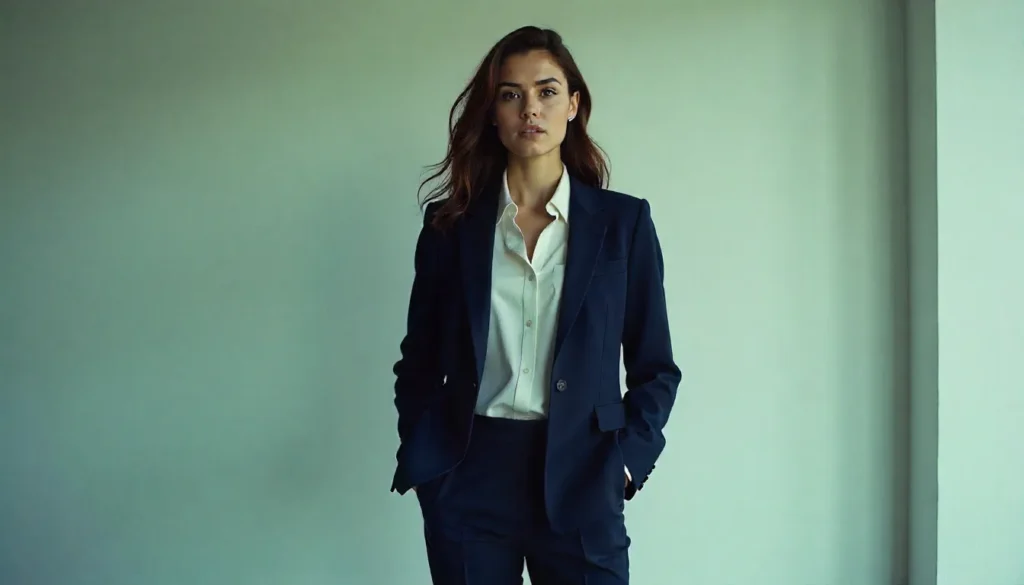
Navy blazers, blue trousers, and structured blue dresses are staples for a reason. They feel authoritative but not intimidating. They photograph well, age well, and transition smoothly between meetings, presentations, and after-work settings.
Unlike black, which can feel severe or overly formal, blue allows warmth to come through. It also pairs beautifully with brown leather accessories, neutral shoes, and subtle patterns.
Blue doesn’t just fit into workwear it elevates it.
Dressing Blue for Social Events and Special Moments
Blue outfits are often underestimated for social and evening wear, yet they’re among the most elegant choices available.
Deep blues feel luxurious without relying on excess shine or embellishment. A royal blue dress or a midnight blue tailored outfit stands out while still feeling refined. Blue has a unique ability to feel memorable without being loud.
For daytime events, lighter blues feel fresh and welcoming. For evening occasions, darker blues feel intimate and sophisticated. The same color family adapts effortlessly to the emotional tone of the event.
Seasonal Styling: Why Blue Works All Year
Few colors transition between seasons as smoothly as blue.
In spring, blue feels optimistic and clean. In summer, it feels cooling and breathable. In autumn, it deepens and grounds outfits. In winter, it becomes rich and structured.
This year-round relevance makes blue outfits especially valuable for people who want fewer clothes that do more work. By adjusting fabric weight and layering, blue remains appropriate no matter the season.
Common Styling Mistakes With Blue Outfits

Despite its versatility, blue can still be misused.
One common mistake is choosing a shade that clashes with your natural coloring. Another is wearing head-to-toe blue in the same tone without texture or contrast, which can flatten the look. Over-accessorizing is also a frequent issue blue doesn’t need much help.
Fit matters more than color. Even the best blue outfit loses impact if proportions are off. Blue highlights structure, so tailoring and proper sizing make a noticeable difference.
Blue vs Trend Colors: A Smarter Long-Term Choice
Trendy colors come and go, but blue remains consistent. While trend shades can feel exciting initially, they often age quickly. Blue, on the other hand, evolves subtly with fashion cycles while staying relevant.
From a cost-per-wear perspective, blue outfits are one of the smartest investments you can make. They’re repeatable, remixable, and rarely feel outdated.
Conclusion:
Blue outfits are not just visually appealing they’re emotionally intelligent. They reduce stress, simplify decisions, and help you feel confident in a wide range of situations. Blue doesn’t demand perfection or constant reinvention. It meets you where you are and adapts as your life changes.
If style is about expressing yourself while supporting your daily reality, blue does exactly that. It’s not just a color you wear. It’s a color that works for you.
Frequently Asked Questions (FAQs)
Are blue outfits suitable for all ages?
Yes, blue is timeless and works across all age groups. The key is choosing the right shade and fit for your lifestyle and personality.
Can blue outfits look stylish without accessories?
Absolutely. Blue carries enough visual balance on its own. Minimal accessories often enhance blue outfits rather than detract from them.
Is blue better than black for everyday wear?
For many people, yes. Blue feels softer, more approachable, and often more flattering in natural light while remaining just as versatile.
Can blue be worn as a statement color?
Yes. Bold shades like cobalt, royal blue, and sapphire work beautifully as focal points, especially when paired with neutrals.
Do blue outfits work in minimalist wardrobes?
Blue is ideal for minimalist and capsule wardrobes because it mixes easily, repeats well, and adapts to multiple settings.

Sofia Bennett is a fashion writer and style observer known for her clean sense of aesthetics and trend analysis. She has covered fashion shows, reviewed designer collections, and interviewed independent creators. Sofia specializes in connecting fashion with real-life lifestyle choices, helping readers understand what looks good — and why.