
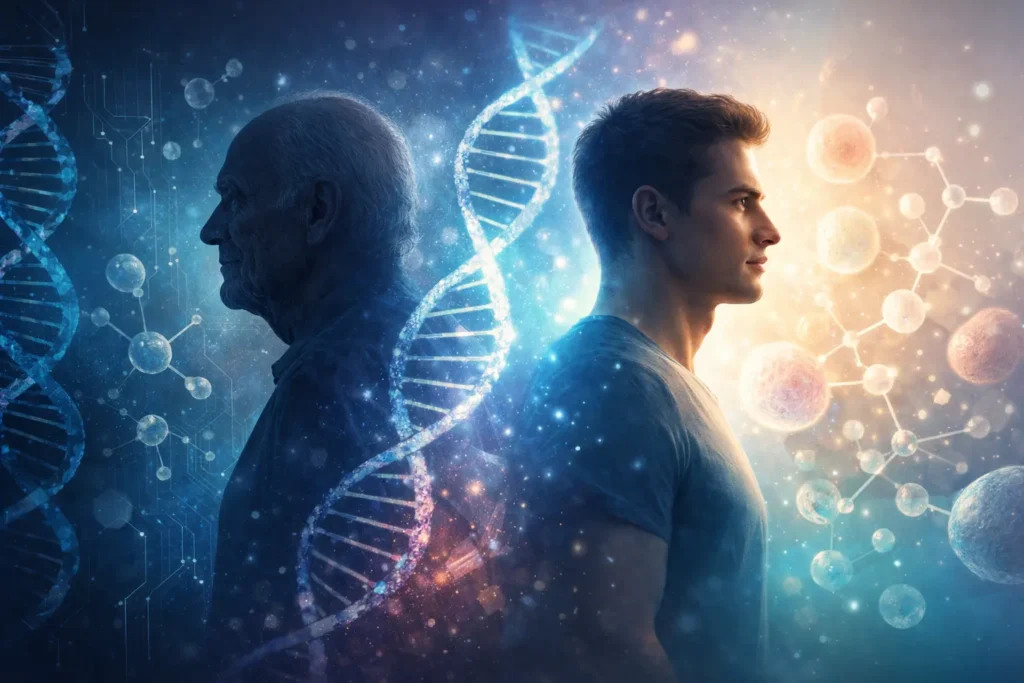
What if aging wasn’t an unstoppable downhill slide—but a process we could slow, pause, or even partially reverse?
That question used to sound like science fiction. Today, after more than a decade of watching this field evolve from academic theory to real-world application, I can tell you it’s very real—and it’s moving fast. Biotechnology aging is no longer just about living longer; it’s about living better, with more energy, sharper cognition, and fewer years spent battling chronic disease.
We’re living in a strange moment in history. Lifespans have increased, yet healthspans—the years we feel good—haven’t kept pace. Many people spend the last 10–20 years of life managing illness rather than enjoying it. Biotechnology is stepping in to change that equation.
In this article, I’ll break down what biotechnology aging actually means, how it works, where it’s already being used, and where it’s heading next. I’ll also share practical insights, real examples, tools, and honest caveats—because hype without context helps no one.
Whether you’re curious, cautious, or actively looking to apply these advances, you’ll walk away with a clear, grounded understanding of the field.
What Is Biotechnology Aging? A Plain-English Explanation
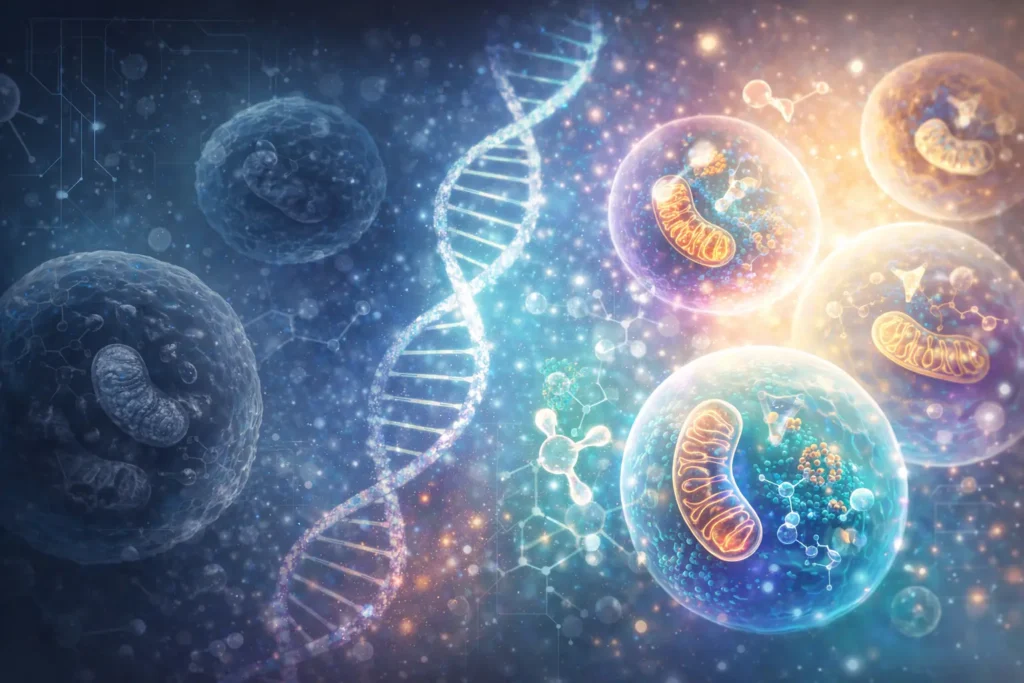
At its core, biotechnology aging is the use of biological science and technology to understand, slow, prevent, or repair the cellular and molecular damage that causes aging.
Instead of treating individual age-related diseases—heart disease, Alzheimer’s, arthritis—biotechnology aging focuses on the root causes that make those diseases more likely in the first place.
Aging Isn’t Just “Getting Old”
One of the biggest misconceptions I see is the idea that aging is vague or inevitable. In reality, aging is driven by very specific biological processes:
- DNA damage accumulating over time
- Cells losing their ability to divide or repair
- Mitochondria producing less energy
- Chronic inflammation quietly smoldering in the background
- Senescent (“zombie”) cells clogging tissues
Think of your body like a high-performance car. Aging isn’t the mileage—it’s what happens when oil changes are skipped, filters clog, and small issues compound into major breakdowns.
Biotechnology aging focuses on maintenance, repair, and optimization, not cosmetic fixes.
Where Biotechnology Comes In
Biotechnology provides the tools to intervene at a cellular level:
- Gene editing to correct faulty instructions
- Cell therapies to replace or rejuvenate damaged tissue
- Protein engineering to restore lost signaling
- Diagnostics to detect aging-related decline early
This isn’t magic. It’s applied biology—tested in labs, clinical trials, and increasingly, real clinics.
Why Biotechnology Aging Matters More Than Ever
Aging used to be a background issue. Today, it’s a global crisis hiding in plain sight.
The Demographic Reality
- Populations are aging rapidly
- Healthcare systems are strained by chronic disease
- Families are bearing the emotional and financial cost
Biotechnology aging offers a shift from reactive medicine to preventive and regenerative medicine.
From my experience following startups, clinical trials, and longevity clinics, the most exciting part isn’t lifespan extension—it’s compression of morbidity. Fewer sick years. More functional ones.
From Lifespan to Healthspan
Living to 90 doesn’t matter much if the last 20 years are spent exhausted, medicated, and limited.
Biotechnology aging aims to:
- Preserve muscle, bone, and metabolic health
- Maintain cognitive clarity
- Reduce inflammation and immune decline
- Delay or prevent chronic disease onset
That’s a goal worth paying attention to.
Key Benefits and Real-World Use Cases of Biotechnology Aging
Practical Benefits You Can Actually Feel
Unlike abstract research, many biotechnology aging interventions target tangible outcomes:
- Improved energy and recovery
- Better immune resilience
- Slower cognitive decline
- Healthier skin, joints, and organs
- Reduced risk of age-related disease
I’ve spoken with clinicians using early-stage longevity therapies who consistently report the same thing: patients don’t just live longer—they feel younger in measurable ways.
Who Is Biotechnology Aging Best For?
This field isn’t just for billionaires or biohackers.
It’s particularly relevant for:
- Adults 35+ focused on prevention
- Individuals with family histories of chronic disease
- Athletes or professionals needing long-term performance
- Healthcare innovators and clinicians
- Anyone interested in proactive aging
Who Should Be Cautious?
Honesty matters here. Biotechnology aging isn’t for:
- People looking for overnight miracles
- Those unwilling to prioritize lifestyle basics
- Anyone uncomfortable with emerging science
These tools work best when layered on top of good sleep, nutrition, movement, and stress management—not as replacements.
A Step-by-Step Guide to Applying Biotechnology Aging Principles
You don’t need a lab or a PhD to start benefiting from biotechnology aging. Here’s a realistic, experience-based framework.
Step 1: Measure Before You Modify
Modern biotech aging starts with data.
Common assessments include:
- Biological age tests (epigenetic clocks)
- Blood biomarkers (inflammation, lipids, glucose)
- Hormonal panels
- Genetic risk profiles
Without baseline data, you’re guessing—and guessing gets expensive fast.
Step 2: Address the Big Levers First
Before advanced interventions, focus on:
- Sleep optimization
- Nutrition quality and timing
- Strength and cardiovascular training
- Stress regulation
Every reputable longevity clinic I’ve encountered prioritizes these first.
Step 3: Introduce Targeted Interventions
Depending on goals and medical guidance, this may include:
- Peptide therapies
- Senolytic protocols
- Mitochondrial support compounds
- Regenerative treatments
Each has specific indications—this isn’t a buffet.
Step 4: Monitor, Adjust, Repeat
Biotechnology aging is iterative.
- Retest biomarkers every 3–6 months
- Adjust protocols based on response
- Avoid stacking too many interventions at once
The people who get the best results are patient and methodical.
Tools, Technologies, and Biotechnology Aging Solutions Compared
Diagnostic Tools
Free / Low-Cost
- Standard blood panels
- Wearables for sleep and activity
Paid / Advanced
- Epigenetic age testing
- Deep metabolomic analysis
- Whole genome sequencing
Pros: Insight, personalization
Cons: Cost, data overload without guidance
Therapeutic Options
Lifestyle-Based (Low Risk)
- Nutritional interventions
- Exercise mimetics
- Circadian alignment
Clinical / Biotech-Based
- Stem cell therapies
- Peptides and biologics
- Gene-based interventions
My Professional Take:
Start conservative. Advanced tools amplify good foundations—they don’t replace them.
Clinics vs DIY
- Clinics offer safety and structure
- DIY offers flexibility but higher risk
If you’re new, professional oversight is worth the investment.
Common Mistakes in Biotechnology Aging (And How to Fix Them)
Mistake 1: Chasing Trends Instead of Evidence
Just because something is popular on social media doesn’t mean it works—or is safe.
Fix: Follow peer-reviewed research and experienced clinicians.
Mistake 2: Ignoring Basics
I’ve seen people spend thousands on biotech while sleeping five hours a night.
Fix: Nail fundamentals first. Always.
Mistake 3: Doing Too Much Too Fast
Stacking interventions clouds results and increases risk.
Fix: One change at a time. Measure impact.
Mistake 4: Expecting Immortality
Biotechnology aging isn’t about cheating death—it’s about improving life.
Fix: Focus on quality, not fantasy.
The Ethical and Practical Realities of Biotechnology Aging
No honest discussion is complete without balance.
Ethical Questions
- Access and affordability
- Long-term safety
- Regulatory oversight
These are valid concerns, and the field is still evolving.
What Gives Me Confidence
After years of watching biotech cycles, I’m optimistic because:
- Research quality is improving
- Clinical trials are expanding
- Transparency is increasing
This isn’t a fad—it’s a paradigm shift.
Conclusion: The Future of Aging Is Being Built Now
Biotechnology aging represents one of the most profound changes in modern medicine. For the first time, we’re not just reacting to aging—we’re understanding and influencing it.
The real power of this field isn’t found in extreme promises or viral headlines. It’s in thoughtful, data-driven application that respects biology rather than trying to hack it blindly.
If you approach biotechnology aging with curiosity, patience, and realism, it can become a powerful ally in living not just longer—but better.
If you’re exploring this space, start small, stay informed, and never stop asking good questions.
FAQs
What does biotechnology aging mean in simple terms?
Biotechnology aging uses science and technology to slow or repair the biological processes that cause aging at a cellular level.
Is biotechnology aging proven?
Many approaches are supported by strong research, while others are still experimental. Evidence quality varies by intervention.
Can biotechnology aging reverse aging?
It can improve biological markers and function, but it doesn’t make you immortal. Think improvement, not reversal.
Is biotechnology aging safe?
Safety depends on the method, dosage, and medical supervision. Professional guidance is strongly recommended.
At what age should someone start?
Preventive approaches often begin in the mid-30s to 40s, but benefits exist at almost any age.

Adrian Cole is a technology researcher and AI content specialist with more than seven years of experience studying automation, machine learning models, and digital innovation. He has worked with multiple tech startups as a consultant, helping them adopt smarter tools and build data-driven systems. Adrian writes simple, clear, and practical explanations of complex tech topics so readers can easily understand the future of AI.