There’s a special kind of magic that happens the moment the temperature drops and the first winter breeze hits your face. Maybe it’s the smell of cinnamon drifting from a nearby café, or the satisfying crunch of frost under your boots. Or maybe it’s simply the chance to reinvent your style for a brand-new season. I still remember the year I moved to my first cold city. I had no idea how to dress for winter, so naturally, I believed a thin coat layered over a sweater was “warm enough.” Spoiler alert: it wasn’t. I spent most of that season shivering, layering poorly, and wondering why everyone else looked effortlessly cozy and put together while I felt like a walking laundry pile.
If you’ve ever felt overwhelmed choosing best winter outfits that are warm, flattering, comfortable, and actually stylish, you’re not alone. Winter fashion isn’t just about piling on clothes; it’s about mastering the art of functional layering, finding pieces that look good without compromising warmth, and learning how fabrics, textures, and silhouettes come together to keep you feeling confident in the coldest months.
In this comprehensive guide, we’ll walk through the best winter outfits, how to style them for different occasions, what to look for when shopping, common mistakes many people make, and some practical tips that will make getting dressed in winter feel like second nature. So grab a hot drink, settle in, and let’s upgrade your winter wardrobe together.
Understanding Winter Fashion: Comfort Meets Style
Before diving into outfit ideas, it helps to understand the foundation of winter fashion. Best winter outfits succeed when they check a few key boxes: warmth, comfort, breathability, durability, and, of course, style. Many people assume winter dressing is restrictive, bulky, or expensive, but the truth is that a few smart choices can create a wardrobe that works beautifully all season long.
One of the biggest secrets to dressing well in winter is avoiding the temptation to rely on a single thick piece. Instead, build your outfits with layers. Not only will layers trap heat more effectively, but they also give you the flexibility to remove or add clothing as you transition from cold outdoor temperatures to heated indoor spaces.
Another often-overlooked factor is fabric. Natural fibers like wool, cashmere, alpaca, and cotton blends tend to insulate better than synthetics, though high-quality synthetics such as polyester fleece can also perform extremely well. Understanding how different fabrics behave helps you create best winter outfits that feel luxurious without compromising warmth.
The Best Winter Outfits: Your Cold-Weather Wardrobe Essentials
Now let’s dive into the heart of this article winter outfit ideas that not only keep you warm but also elevate your everyday style. From casual streetwear to office-ready ensembles and chic evening looks, these timeless outfits will help you feel stylish even on the coldest days.
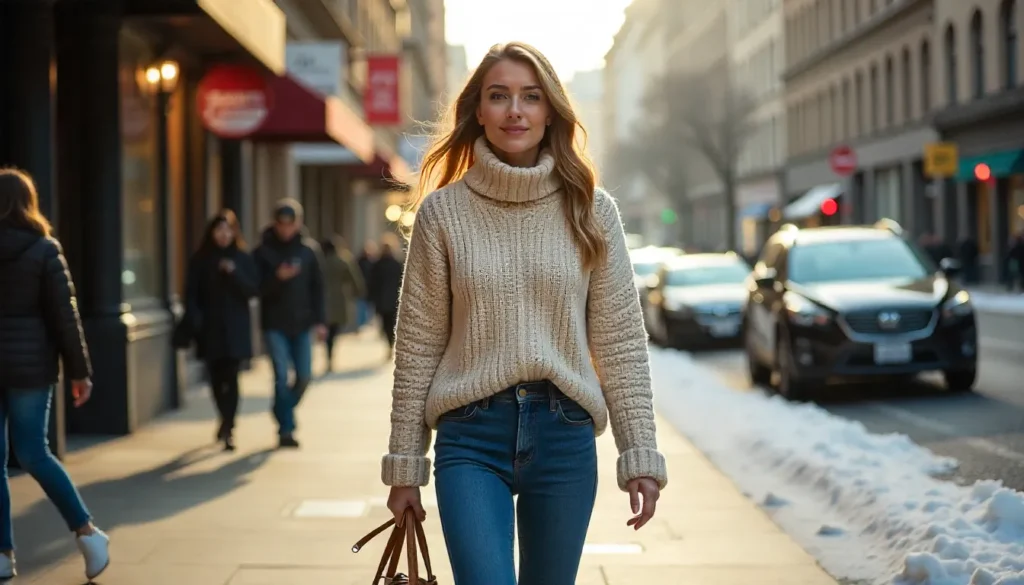
Cozy Knit Sweater + High-Waisted Jeans + Ankle Boots
This classic winter look works for almost everyone and is easy to customize. A chunky knit sweater adds texture and warmth, while high-waisted jeans create a flattering silhouette that balances the oversized top. Ankle boots whether leather, suede, or lined with faux fur complete the outfit with just the right amount of winter charm.
The beauty of this combination lies in its versatility. You can choose neutral tones for a minimalistic look or go bold with bright colors, patterns, and ribbed detailing. Layering a long wool coat or puffer jacket on top transforms the look from simple to effortlessly stylish, perfect for weekend outings, coffee runs, or casual workdays.
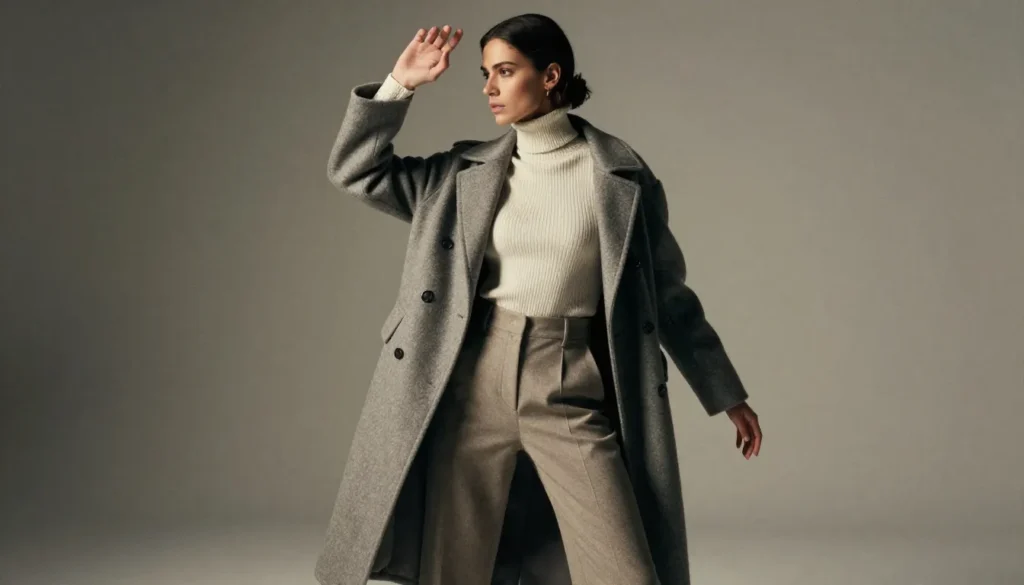
Turtleneck + Wool Coat + Tailored Trousers
If you want to look polished even when the weather is unforgiving, this outfit is your best friend. A fitted turtleneck creates a sleek, elongated look while keeping your neck warm without needing a scarf. Pair it with tailored trousers for structure and a wool coat for top-tier sophistication.
This outfit works beautifully for office environments, business meetings, or events where you want to appear put-together without sacrificing comfort. Neutral colors like beige, charcoal, and chocolate brown create a timeless feel, while jewel tones like emerald or burgundy add richness perfect for winter.
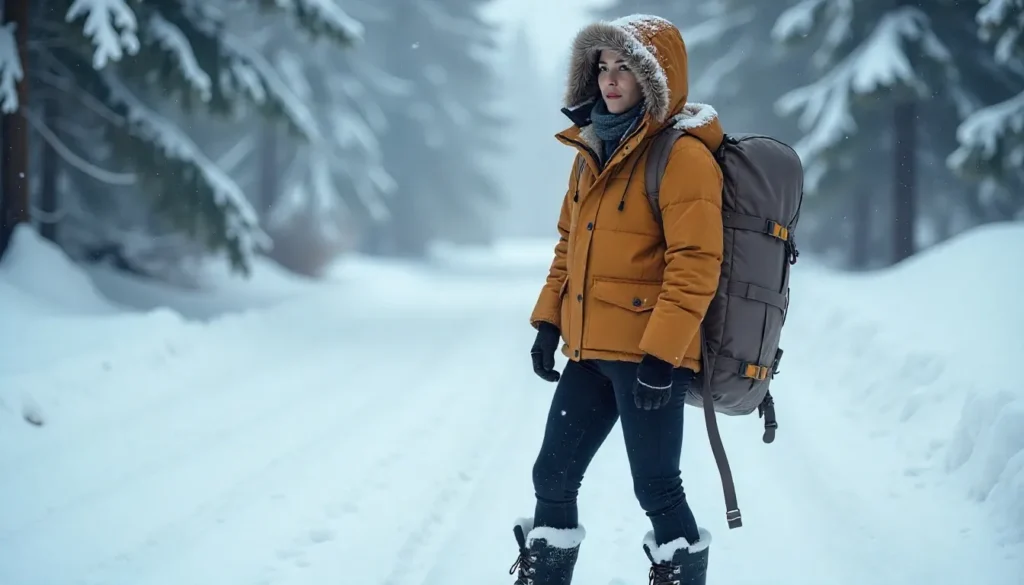
Puffer Jacket + Thermal Leggings + Combat Boots
For those days when warmth is the absolute priority, puffer jackets are the heroes of winter fashion. Modern puffers come in stylish cuts cropped, longline, oversized, fitted and in a range of colors that elevate even the simplest outfit.
Pair your puffer with thermal leggings, which offer insulation without bulk, and finish with combat boots for an edgy, functional look that can withstand both snow and icy sidewalks.
This outfit is ideal for outdoor errands, long walks, and casual weekend adventures. You can layer a hoodie or fleece underneath for extra coziness without losing mobility.
Sweater Dress + Knee-High Boots + Belted Coat
If you want to look feminine without freezing, a sweater dress is the perfect winter staple. Choose one made from wool or a wool blend to maintain warmth. Knee-high boots not only elongate your legs but also protect them from the cold. Adding a belted coat creates shape and structure, turning a simple dress into an effortlessly elegant ensemble.
This outfit is perfect for date nights, dinner outings, social gatherings, or even the office, depending on how you accessorize. Adding sheer thermal tights keeps you warm without compromising style.
Hoodie + Oversized Blazer + Straight-Leg Pants

The combination of casual and structured pieces is a modern winter trend that offers both comfort and style. A cozy hoodie layered under an oversized blazer creates a street-chic vibe, while straight-leg pants add balance and refinement.
This outfit works well for creative workplaces, casual meet-ups, or simply running errands while wanting to look effortlessly cool. Neutral hoodies pair best with plaid or solid-color blazers, giving a subtle contrast that feels intentional and stylish.
Layering 101: How to Build the Perfect Winter Outfit
The real secret to winter style is the layering technique. When you layer strategically, you unlock maximum warmth without looking bulky. Effective layering usually includes three levels: the base layer, the mid-layer, and the outer layer.
The base layer is closest to your skin and should be breathable and moisture-wicking. Merino wool and thermal cotton blends are popular choices because they regulate body temperature and keep sweat from making you cold.
Your mid-layer provides insulation. Sweaters, hoodies, fleece jackets, and cardigans fall into this category. Choose thicker fabrics on extremely cold days and lighter ones when layering multiple pieces.
Finally, the outer layer shields you from wind, rain, and snow. Wool coats, trench coats, parkas, and puffer jackets are all excellent options. The key is to ensure that your outer layer has enough room to fit your lower layers comfortably without restricting movement.
Once you master layering, assembling best winter outfits becomes effortless. You’ll also find yourself more comfortable throughout the day, especially when transitioning between indoor and outdoor environments.
Choosing Fabrics that Keep You Truly Warm
Fabric choice can make or break your winter outfit. Many people rely on thick-looking garments that surprisingly offer very little insulation. Instead, you want materials designed specifically for cold weather.
Wool, especially merino wool, excels at trapping heat while remaining breathable. Cashmere provides luxurious softness and impressive warmth without weight, making it perfect for sweaters and scarves. Fleece is lightweight, fast-drying, and incredibly insulating, ideal for mid-layers or athletic wear. Down, whether natural or synthetic, offers unmatched warmth-to-weight ratio and is commonly used in puffer jackets.
Avoid materials like thin acrylic or low-quality polyester that may look cozy but lack insulating properties. When shopping, check fabric compositions and aim for high-quality fibers that deliver genuine warmth.
Winter Outfit Ideas for Different Occasions
One of the challenges of winter dressing is adapting your outfits to different settings without sacrificing comfort. Here are a few real-world scenarios where choosing the right outfit can make all the difference.
Work or Office Settings
Professional environments require warmth and sophistication. Turtlenecks under blazers, tailored wool trousers, knee-length wool skirts paired with tights, and structured coats all work beautifully. Stick to materials that hold their shape and resist wrinkling.
Daily Errands & Casual Days
When comfort is key, turn to leggings, puffer jackets, fleece-lined hoodies, and relaxed-fit sweaters. Pairing them with snow boots or insulated sneakers keeps you warm and mobile all day.
Winter Travel
Traveling in winter requires outfits that balance style with practicality. Consider layering a light thermal base under a comfortable sweater, then adding a long puffer or wool coat. Choose shoes that are easy to slip on and off at the airport but can withstand cold climates—insulated Chelsea boots are a great choice.
Outdoor Activities
Think functional: waterproof parkas, ski jackets, fleece layers, thermal leggings, insulated gloves, and beanies. This is where performance fabrics shine, offering breathability and warmth even in extreme temperatures.
Holiday Parties & Evening Events
Sweater dresses, velvet tops, wool-blend skirts, and elegant coats are perfect for winter gatherings. Playing with textures like faux fur, metallic accents, and rich jewel-tone colors adds festive flair while keeping warm.
Accessories That Complete Every Winter Outfit
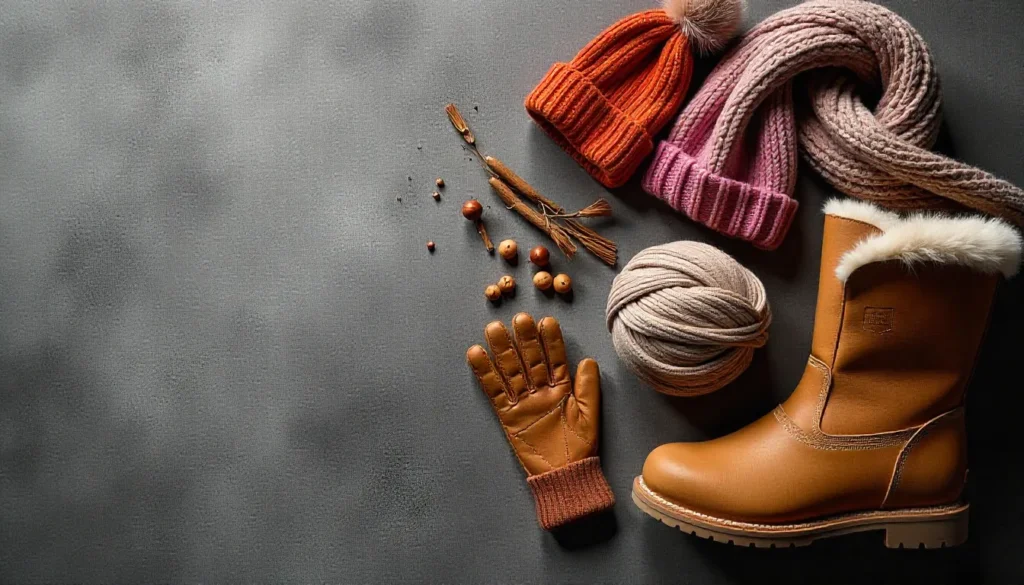
Winter accessories aren’t just add-ons; they’re essential tools for comfort and style. Scarves add warmth and color, and oversized scarves can even double as wraps. Beanies protect your head which is where much of your body heat escapes and they also give your outfit a cozy, relaxed feel. Gloves, whether leather, knit, or touchscreen-friendly, keep your hands warm and functional.
Boots are perhaps the most important winter accessory. Choosing the right pair depends on your lifestyle. Chelsea boots work for city wear, combat boots offer sturdy traction, and snow boots are essential for icy conditions. Always check for insulation and waterproofing to ensure durability.
Step-by-Step Guide to Building a Winter Wardrobe
If you’re starting from scratch or rebuilding your winter wardrobe, begin with versatile basics. First, invest in high-quality base layers and at least two reliable mid-layers one casual and one polished. Next, choose two coats: one warm and casual, such as a puffer, and one dressier option like a wool overcoat.
From there, add bottoms like jeans, wool trousers, thermal leggings, and winter skirts. Don’t forget footwear—a single pair of good boots can transform your winter experience. Finally, incorporate accessories that complement your wardrobe’s color palette.
Gradually, you’ll have a collection of mix-and-match pieces that create endless outfit possibilities without overwhelming your closet or your budget.
Common Winter Dressing Mistakes to Avoid
Many people make the same winter fashion mistakes year after year. One of the most common is wearing only one thick layer instead of building warmth through multiple lightweight ones. Another mistake is choosing fashionable coats that look great but offer no insulation. Avoid cotton as a primary winter fabric it absorbs moisture and leaves you feeling cold.
Another frequent oversight is forgetting proper footwear. Regular sneakers may look stylish but often have little traction, making icy days risky. Similarly, people often forget the importance of socks wool socks can make a massive difference in comfort.
Lastly, don’t underestimate accessories. Skipping a beanie or gloves might seem like a small choice, but these items drastically affect how warm you feel overall.
Real-World Comparisons and Recommendations
When comparing winter clothing materials, consider warmth, durability, and versatility. For example, cashmere is incredibly soft and warm but requires more care. Wool is more durable and easier to maintain, making it ideal for coats and thick sweaters. Down jackets offer superior warmth, but synthetic insulation performs better in wet conditions.
If you’re looking for product recommendations to guide your winter wardrobe upgrades, here are some reliable categories (not brand-dependent): a long wool coat for sophistication; a waterproof puffer jacket for extreme cold; merino wool base layers for all-day comfort; fleece mid-layers for outdoor activities; and insulated boots for daily wear.
Focusing on these categories ensures you invest in items that last multiple seasons and work with various outfits.
The Takeaway: Winter Fashion Should Feel Good, Not Complicated
Dressing for winter isn’t just about surviving the cold it’s about expressing your personal style in a season filled with texture, layering, and cozy elegance. The best winter outfits combine warmth, practicality, and personality, allowing you to feel confident regardless of the temperature.
Once you understand how to layer, choose fabrics, and build versatile outfits for different occasions, winter styling becomes enjoyable rather than overwhelming. Whether you’re heading to work, meeting friends, traveling, or simply trying to stay warm on a windy day, the right outfit can make winter feel like a season of comfort and creativity.
Conclusion
Winter fashion isn’t just about bundling up it’s about finding that perfect balance between warmth, comfort, and personal style. The best winter outfits are the ones that make you feel confident, cozy, and authentically you, whether you’re heading to work on a chilly morning, strolling through a snowy street with a warm drink in hand, or dressing up for a festive evening out. With the right layers, fabrics, and thoughtfully chosen pieces, getting dressed during the cold months becomes less of a challenge and more of a creative, enjoyable ritual.
As you experiment with different looks this season, remember that winter style doesn’t require perfection it simply requires intention. Choose quality where it matters, play with textures and tones, and build outfits that support your lifestyle and make you excited to step outside. Above all, let winter be a chance to refresh your wardrobe and embrace the beauty of cold-weather dressing.
If you’re ready to elevate your winter wardrobe or need personalized outfit suggestions based on your climate, body type, or budget, feel free to reach out. I’d love to help you craft a winter style that keeps you warm and looking your best all season long.
FAQs About BEST Winter Outfits
What is the warmest material for winter?
Wool, cashmere, alpaca, and high-quality fleece are among the warmest materials. Down insulation is excellent for outerwear.
How do I layer without looking bulky?
Choose thin, fitted base layers, add structured mid-layers like sweaters or fleece, and finish with a coat that allows room for movement but still defines your shape.
What boots are best for winter?
It depends on your needs insulated Chelsea boots for everyday wear, combat boots for durability, and snow boots for icy or snowy conditions.
Can I wear dresses in winter?
Absolutely. Pair sweater dresses or thicker fabrics with thermal tights, knee-high boots, and warm coats.
How many coats do I really need?
Two is ideal: one casual coat for everyday wear and one polished wool coat for professional or dressy occasions.

Sofia Bennett is a fashion writer and style observer known for her clean sense of aesthetics and trend analysis. She has covered fashion shows, reviewed designer collections, and interviewed independent creators. Sofia specializes in connecting fashion with real-life lifestyle choices, helping readers understand what looks good — and why.