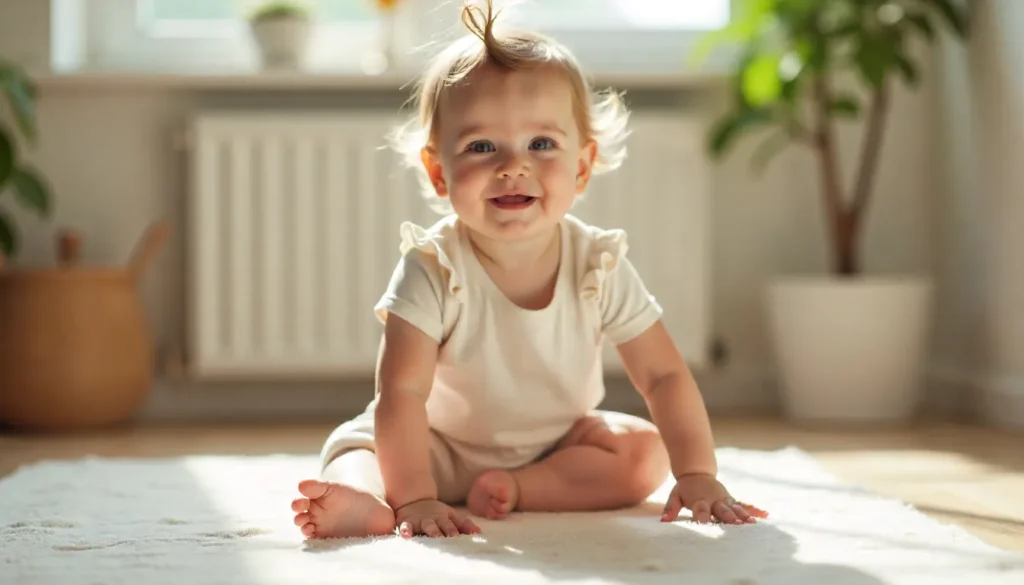
I remember a quiet afternoon when a new parent friend called me, half-laughing and half-exhausted. She had just changed her baby girl’s outfit for the third time that day, not because it was dirty, but because it was “cute but impossible.” The buttons were fiddly, the fabric felt stiff, and her baby was clearly unhappy. That moment perfectly captures what many parents learn quickly: a baby girl outfit can look beautiful and still be completely wrong for real life.
Dressing a baby girl is one of the sweetest parts of parenting, but it can also feel overwhelming. There are endless styles, fabrics, trends, and opinions. This guide is written to cut through the noise and help you choose baby girl outfits that truly work—outfits that feel good on your baby, make your days easier, and still look adorable in photos you’ll treasure forever.
Whether you’re a first-time parent, shopping for a gift, or updating your baby girl’s wardrobe as she grows, this article will walk you through everything step by step, in clear, friendly language that reflects real parenting life.
What Does “Baby Girl Outfit” Really Mean Today?
A baby girl outfit today is no longer limited to frilly dresses and pink bows. Modern baby fashion has evolved to include comfort-focused designs, gender-neutral palettes, sustainable fabrics, and versatile pieces that fit busy lifestyles.
At its core, a baby girl outfit is simply a combination of clothing that keeps your baby comfortable, protected, and free to move. Style is the bonus, not the foundation. The best outfits adapt to naps, feeds, diaper changes, car rides, and playtime without becoming a source of stress.
Parents today are also more conscious of skin sensitivity, temperature regulation, and practicality. This has shifted the focus toward soft materials, thoughtful construction, and fewer but better-quality pieces.
Why Comfort Is Always the First Rule
Comfort isn’t a trend; it’s a necessity. A baby’s skin is delicate, their bodies are constantly growing, and their days are filled with movement, rest, and exploration. Clothing that restricts or irritates can affect sleep, feeding, and overall mood.
Natural fabrics such as organic cotton, bamboo, and muslin remain top choices because they are breathable and gentle. These materials help regulate body temperature and reduce the risk of rashes or irritation. Stretch is another key factor. Babies kick, stretch, roll, and crawl, so outfits should move with them, not against them.
Comfort also comes from design. Flat seams, tagless labels, soft waistbands, and flexible necklines may seem like small details, but they make a huge difference in daily wear.
Everyday Baby Girl Outfit Essentials You’ll Actually Use
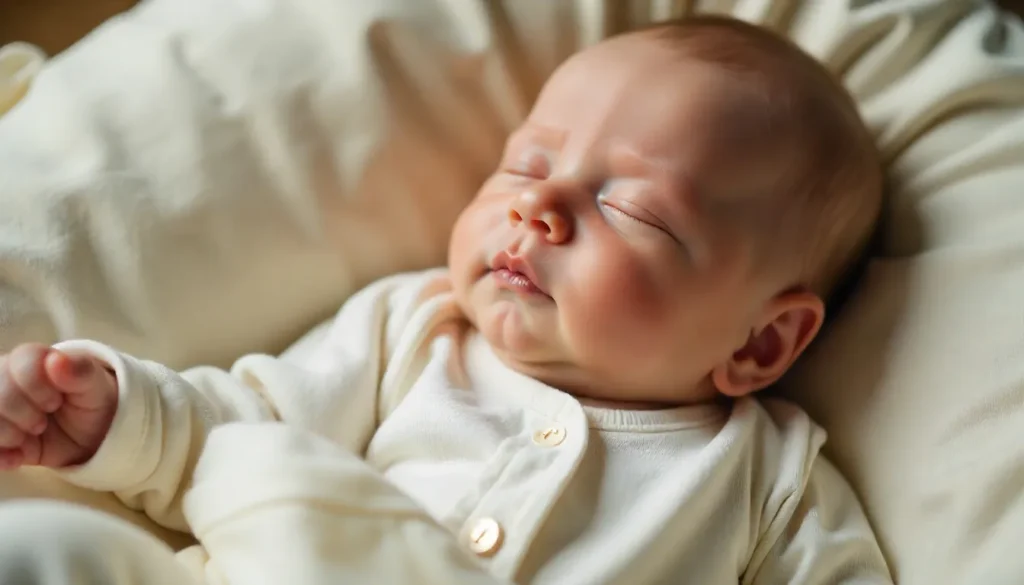
One of the most common mistakes parents make is buying too many “special” outfits and not enough everyday essentials. In real life, babies spend most of their time in simple, comfortable clothes that are easy to wash and easy to change.
Bodysuits are the backbone of any baby girl wardrobe. They layer easily, stay in place, and work in every season. Having a mix of short-sleeve and long-sleeve bodysuits in neutral shades and soft prints gives you endless outfit combinations.
Rompers and one-piece outfits are another everyday favorite. They eliminate the need to match tops and bottoms while still looking put together. Many parents prefer rompers with snap closures or two-way zippers for faster diaper changes.
Soft leggings and pants add warmth and style without limiting movement. They pair well with bodysuits, tunics, and dresses, making them one of the most versatile pieces you can own.
Sleepers and footies often become the most-used baby girl outfit during the newborn and early infant stages. Babies sleep a lot, and soft sleepers keep them cozy day and night.
Dressing a Baby Girl by Season Without Overthinking It
Seasonal dressing doesn’t have to be complicated. The goal is to help your baby maintain a comfortable body temperature, not to follow a calendar.
In warmer months, lightweight fabrics and loose fits are essential. Cotton dresses, rompers, and sleeveless bodysuits allow airflow and reduce overheating. A light layer for indoor air conditioning is often enough.
In colder months, layering is the safest approach. A bodysuit under a dress, paired with leggings or tights and a soft cardigan, provides warmth without bulk. Babies should never feel stiff or overly bundled.
Spring and fall are all about flexibility. Transitional pieces like lightweight jackets, long-sleeve rompers, and cotton sweaters allow you to adjust throughout the day as temperatures change.
Special Occasion Baby Girl Outfits That Still Make Sense
Special moments deserve special outfits, but that doesn’t mean sacrificing comfort. The best occasion outfits are designed with soft fabrics, gentle seams, and easy access for diaper changes.
A coming-home outfit is often the first outfit parents choose with care. Many opt for a knotted gown or a soft romper with a matching bow or hat. These outfits photograph beautifully while keeping newborns comfortable.
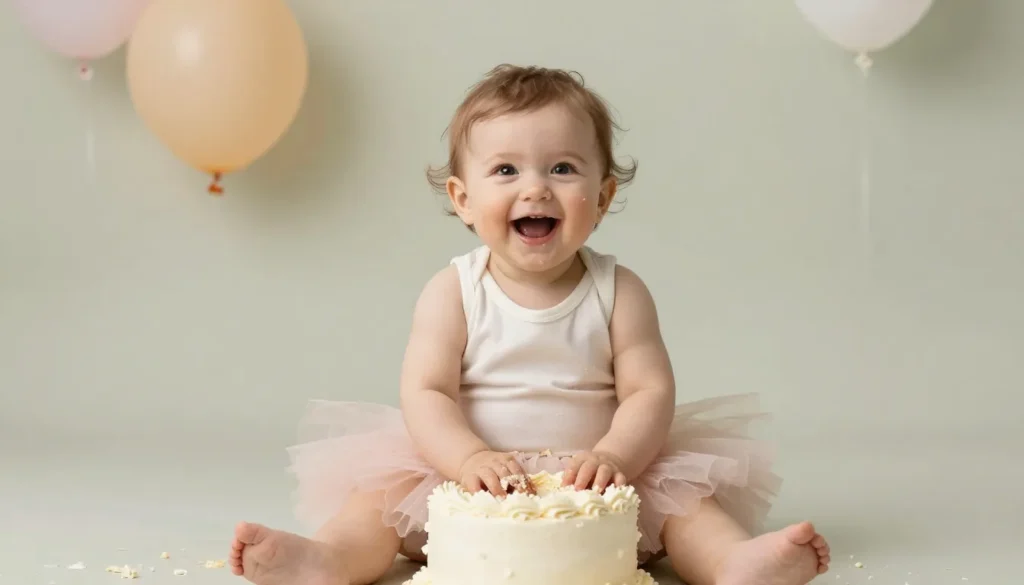
First birthdays and cake smash celebrations are joyful and messy. Outfits for these moments should be easy to clean and easy to remove. A simple bodysuit paired with a tutu or ruffled bloomer strikes a great balance between festive and practical.
For weddings or formal events, soft cotton or lace dresses with flexible waistbands work better than stiff materials. Babies should be able to nap, be held, and move freely throughout the event.
Baby Girl Accessories: When and How to Use Them
Accessories can elevate a baby girl outfit, but they should always be used thoughtfully. Soft headbands, bows, and hats add charm when they don’t apply pressure or cause discomfort.
Stretchy nylon headbands are often preferred because they adapt as your baby grows. Lightweight bows and clips should always be used under supervision, especially for younger babies.
Tights and knee-high socks add warmth and style during cooler months, especially with dresses. Soft-soled shoes and booties are great for warmth and photos, but babies don’t need structured shoes until walking begins.
Real-World Parenting: Daily Wear vs. Photo Outfits
Social media has created a world where baby outfits look flawless at all times, but real parenting is messier. Spit-ups, blowouts, and surprise naps are part of daily life.
Many experienced parents keep a few “photo outfits” for special occasions while relying on comfortable basics for daily wear. This approach reduces stress and keeps babies happier.
The best baby girl outfit is one you don’t have to think about. If it allows your baby to move, sleep, and play comfortably, it’s doing its job.
Choosing Baby Girl Outfits as Gifts
Buying clothes as a gift can feel risky, but it’s also one of the most appreciated gestures when done thoughtfully. The safest approach is to size up and choose versatile pieces.
Rompers, two-piece sets, and dresses with bloomers work well as gifts because they’re flexible and easy to style. Neutral colors, classic prints, and seasonally adaptable fabrics increase the chance the outfit will be worn.
Many parents trust brands like Carter’s, Hanna Andersson, and Burt’s Bees Baby for their focus on comfort, durability, and baby-safe materials.
Practical Tools and Habits for Managing Baby Clothes
You don’t need special tools to manage baby clothes, but a few habits can make life easier. Organizing clothes by size instead of type helps you quickly rotate outfits as your baby grows.
Washing baby clothes with fragrance-free detergent helps prevent skin irritation. Treating stains early and avoiding high heat drying extends the life of outfits.
Keeping a small backup outfit in your diaper bag is another simple habit that saves many outings from disaster.
Common Baby Girl Outfit Mistakes to Avoid
One of the biggest mistakes parents make is choosing outfits based on appearance alone. Tight waistbands, stiff fabrics, and heavy embellishments often lead to discomfort.
Another common mistake is buying too many clothes in one size. Babies grow unpredictably, and some sizes are outgrown in weeks. Mixing sizes prevents waste.
Ignoring climate and lifestyle needs is another pitfall. A wardrobe should reflect where you live and how you spend your days, not just what looks cute online.
Baby Girl Outfit Trends That Are Actually Worth Following
Some trends fade quickly, but others stick because they work. Earthy neutrals, bohemian florals, and vintage-inspired designs remain popular because they are both stylish and wearable.
Minimalist designs with soft colors and simple patterns are also gaining popularity. These pieces mix easily and age well as your baby grows.
Trends that rely on heavy layering, stiff fabrics, or excessive embellishments are often less practical and quickly abandoned.
Building a Sustainable Baby Girl Wardrobe
Many parents are now thinking beyond the moment and considering sustainability. Choosing high-quality pieces that last through multiple wears, washes, and even siblings reduces waste.
Neutral colors and classic silhouettes are easier to reuse or pass down. Buying fewer but better-made outfits often saves money in the long run and simplifies daily decisions.
Conclusion:
The perfect baby girl outfit isn’t about perfection at all. It’s about comfort, confidence, and connection. When your baby feels good in what she’s wearing, everything else becomes easier—naps last longer, feeds feel calmer, and moments feel more joyful.
You don’t need to follow every trend or build a massive wardrobe. A thoughtful collection of soft, practical, and beautiful clothes is more than enough. Trust your instincts, prioritize your baby’s comfort, and remember that the most important thing she wears every day is your care.
Frequently Asked Questions (FAQs)
How many baby girl outfits do I really need per size?
Most families find that 7 to 10 everyday outfits per size is enough when laundry is done regularly. This includes bodysuits, rompers, sleepers, and a few extras.
What is the best fabric for baby girl clothes?
Organic cotton, bamboo, and muslin are among the best choices. They are breathable, soft, and gentle on sensitive skin.
Is it better to size up when buying baby clothes?
Yes, sizing up is usually safer. Babies grow quickly, and slightly larger clothes are more comfortable and last longer.
Do baby girls need shoes before walking?
No. Soft booties or socks are enough until walking begins. Structured shoes can wait.
Are dresses practical for everyday baby wear?
They can be, especially when paired with leggings or bloomers. Soft, flexible dresses work best for daily use.
What’s the best baby girl outfit for gifting?
Rompers, two-piece sets, or dresses with bloomers in a larger size are safe and appreciated gift choices.

Sofia Bennett is a fashion writer and style observer known for her clean sense of aesthetics and trend analysis. She has covered fashion shows, reviewed designer collections, and interviewed independent creators. Sofia specializes in connecting fashion with real-life lifestyle choices, helping readers understand what looks good — and why.