

Think back just fifteen years. Smartphones were still a novelty, video calls felt futuristic, and “the cloud” sounded more like a weather forecast than a business tool. Today, we unlock our phones with our faces, ask digital assistants for advice, work with colleagues across continents in real time, and rely on algorithms to recommend what we watch, buy, and even how we drive. These rapid advances in technology aren’t just impressive—they are fundamentally reshaping how modern life works.
This topic matters because technology no longer sits quietly in the background. It influences how businesses grow, how doctors diagnose patients, how students learn, and how individuals manage their daily lives. Whether you are a business owner trying to stay competitive, a professional navigating career shifts, or simply someone curious about where the world is heading, understanding technological advancement is no longer optional—it is essential.
In this in-depth guide, you will learn what advances in technology really mean, how they evolved, and why they matter so much right now. We will explore practical benefits, real-world use cases, and step-by-step ways individuals and organizations can adapt. You will also find honest tool recommendations, common mistakes to avoid, and answers to the most frequently asked questions. By the end, you will not only understand modern innovation—you will know how to use it wisely and confidently.
Advances in Technology Explained in Simple Terms
At its core, advances in technology refer to the continuous improvement of tools, systems, and methods that help humans solve problems more efficiently. It is not just about new gadgets. It is about smarter processes, faster communication, deeper insights, and entirely new ways of doing things that were once impossible.
A helpful analogy is transportation. Early humans walked everywhere. Then came carts, trains, cars, and airplanes. Each step did not just make travel faster; it changed where people could live, work, and trade. Technology works the same way. Each breakthrough expands what is possible and reshapes society around it.
Modern advances in technology are largely driven by computing power, data availability, and connectivity. Cloud computing allows businesses to scale without massive infrastructure. Artificial intelligence systems learn patterns from enormous datasets. High-speed internet connects remote villages to global markets. Together, these developments create a compounding effect, where progress in one area accelerates progress in others.
Importantly, technology advancement is no longer linear. It is exponential. A smartphone today has more computing power than systems that once filled entire rooms. Software updates continuously improve products long after purchase. This rapid pace explains why entire industries can transform within a decade.
Understanding this concept helps remove fear and confusion. Technology is not a mysterious force replacing humans; it is a collection of tools created by humans to extend capabilities. When used thoughtfully, these tools amplify creativity, productivity, and problem-solving rather than diminish them.
Key Areas Driving Today’s Advances in Technology
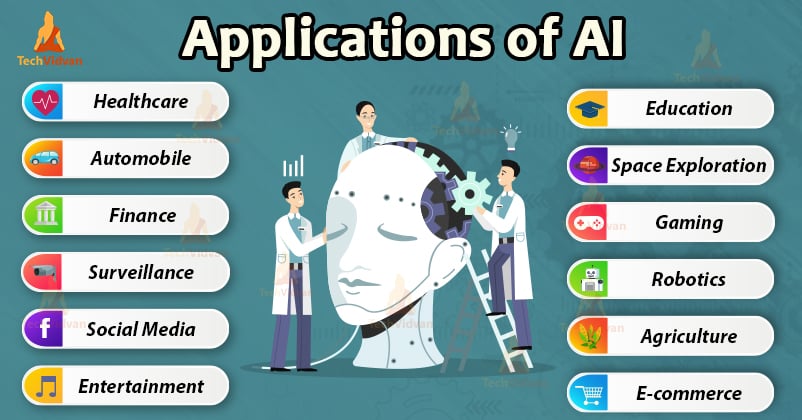
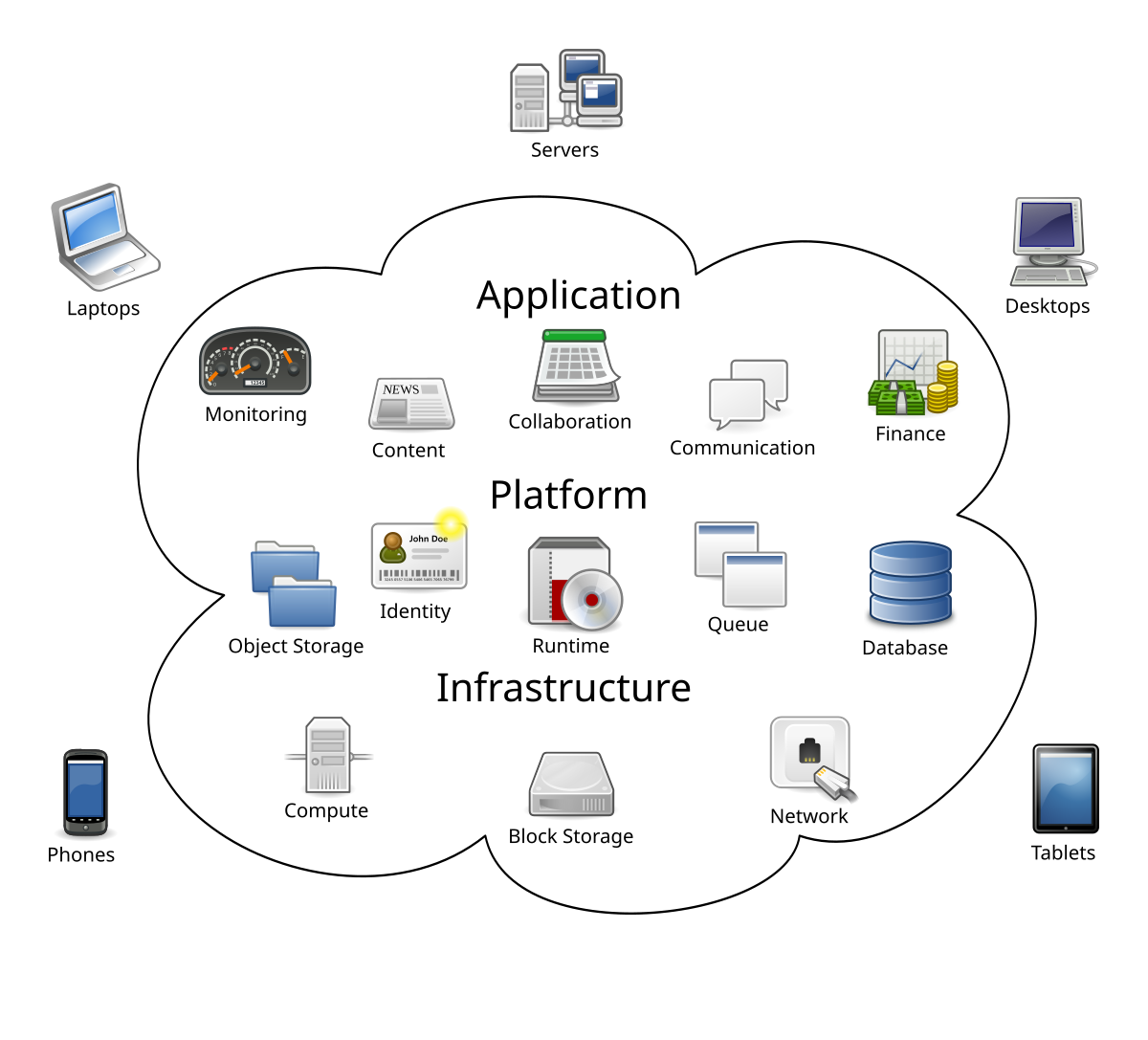

One reason technological progress feels overwhelming is that it is happening across many fields at once. Artificial intelligence, cloud computing, biotechnology, and renewable energy are all advancing simultaneously, influencing each other in powerful ways.
Artificial intelligence has moved far beyond simple automation. Machine learning systems can now recognize images, translate languages, detect fraud, and assist with complex decision-making. Companies like OpenAI and Google have accelerated this progress by making advanced AI tools accessible to businesses and individuals.
Cloud computing has quietly become the backbone of modern digital life. Instead of storing data locally, organizations rely on remote servers that scale instantly. This flexibility enables startups to compete with large enterprises and supports remote work, global collaboration, and real-time data analysis.
The Internet of Things connects everyday objects to the internet. Smart thermostats, wearable health trackers, and industrial sensors collect data continuously, allowing systems to adapt automatically. While often invisible, this connectivity improves efficiency, safety, and personalization across industries.
Cybersecurity has also evolved rapidly. As technology becomes more integrated into daily life, protecting data and privacy is critical. Modern security tools use AI-driven threat detection, encryption, and behavioral analysis to stay ahead of increasingly sophisticated attacks.
Together, these areas form the foundation of modern technological advancement, shaping everything from healthcare and finance to entertainment and education.
Benefits and Real-World Use Cases of Advances in Technology
The true value of advances in technology lies in how they improve real lives. In healthcare, digital imaging, telemedicine, and data analytics allow doctors to diagnose diseases earlier and treat patients more effectively. A rural patient can now consult a specialist hundreds of miles away through a secure video call, saving time and lives.
In business, technology streamlines operations and opens new revenue streams. Automation handles repetitive tasks, freeing employees to focus on creative and strategic work. Data-driven insights help leaders make informed decisions instead of relying on intuition alone. Companies like Microsoft have built entire ecosystems around productivity tools that support modern workflows.
Education has become more accessible and personalized. Online learning platforms adapt lessons to individual progress, while virtual classrooms connect students globally. Lifelong learning is no longer limited by geography or age.
Everyday life benefits as well. Navigation apps reduce travel time, smart home devices lower energy consumption, and digital payments simplify transactions. Even entertainment has transformed, with streaming platforms using algorithms to deliver personalized experiences.
These use cases show that technology is not an abstract concept. It is a practical force that touches nearly every aspect of modern living, often in ways we quickly take for granted.
A Step-by-Step Guide to Adopting Technological Advancements
Adopting new technology does not require being a technical expert. The process becomes manageable when broken into clear steps. The first step is identifying a real problem or goal. Technology should serve a purpose, whether that is improving efficiency, enhancing customer experience, or reducing costs.
Next, research solutions that align with your needs. This may involve software platforms, hardware tools, or integrated systems. Reading case studies and user reviews helps separate hype from practical value.
Once a solution is selected, start small. Pilot programs allow testing without major risk. Gather feedback from users, measure results, and refine implementation. This gradual approach builds confidence and reduces resistance to change.
Training is crucial. Even the best tools fail if users do not understand them. Investing in proper onboarding and continuous learning ensures long-term success.
Finally, review and adapt regularly. Technology evolves quickly, and regular assessments help ensure tools remain aligned with goals. This step-by-step approach turns innovation from a source of stress into a manageable, strategic advantage.
Tools, Comparisons, and Practical Recommendations

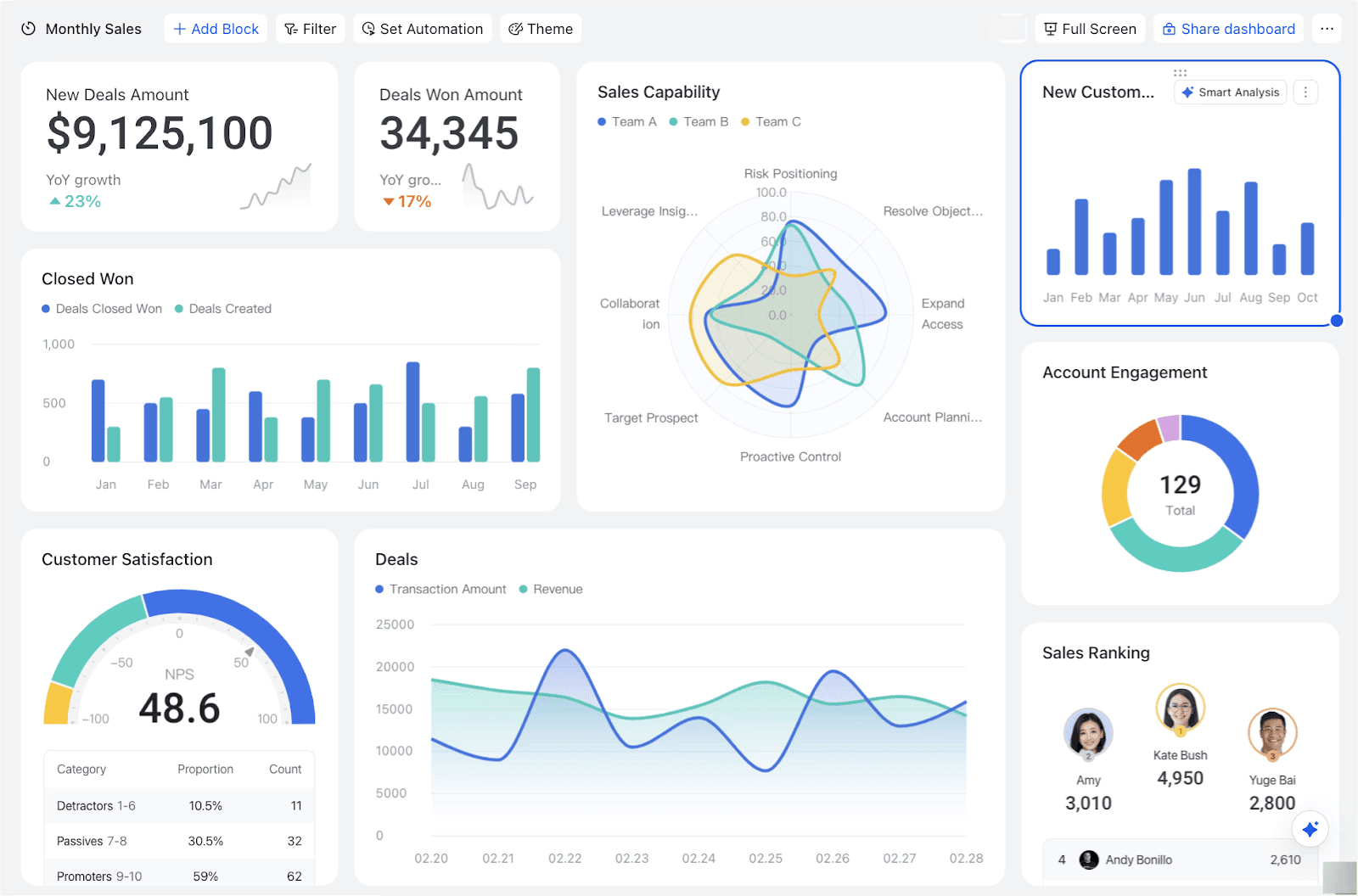

Choosing the right tools can feel overwhelming, but clarity comes from understanding categories. Productivity platforms, AI tools, cloud storage services, and cybersecurity solutions each serve distinct purposes.
Free tools often provide excellent entry points. Cloud-based document editors, project management apps, and basic analytics platforms allow experimentation with minimal cost. Paid tools typically offer advanced features, better support, and stronger security.
When comparing options, consider scalability, ease of use, integration with existing systems, and long-term costs. A cheaper tool that cannot grow with your needs may become expensive to replace later.
Expert recommendations often favor ecosystems that integrate smoothly. For example, businesses already using services from Apple may benefit from tools designed for that environment, while others may prefer open platforms that work across devices.
The best recommendation is to prioritize value over novelty. Technology should solve real problems and deliver measurable benefits, not just impress with features.
Common Mistakes and How to Fix Them
One common mistake is adopting technology without a clear purpose. This leads to wasted resources and frustration. The fix is simple: define goals before selecting tools.
Another issue is underestimating training needs. Even intuitive systems require guidance. Providing ongoing support prevents abandonment and misuse.
Security neglect is also widespread. As systems become more connected, vulnerabilities increase. Regular updates, strong passwords, and security audits are essential safeguards.
Finally, many organizations resist change culturally. Transparent communication and involving users early in the process help build trust and acceptance.
Recognizing these mistakes early allows individuals and businesses to course-correct and fully benefit from technological progress.
The Human Side of Advances in Technology
While technology often feels technical, its success depends on human factors. Empathy, creativity, and ethical considerations shape how tools are designed and used. Advances in technology should enhance human potential, not replace it.
Remote work tools illustrate this balance. Technology enables flexibility, but strong communication and leadership maintain connection and purpose. Similarly, AI systems assist decision-making, but human judgment ensures fairness and accountability.
Understanding this human dimension helps align innovation with values, creating sustainable progress rather than short-term gains.
Conclusion: Why Advances in Technology Matter More Than Ever
Advances in technology are not slowing down. They are accelerating, reshaping industries, careers, and daily life. Those who understand and embrace this change gain opportunities to grow, adapt, and innovate. Those who ignore it risk falling behind.
The key takeaway is not to chase every trend but to build a thoughtful relationship with technology. Focus on purpose, people, and progress. Explore tools that align with your goals, invest in learning, and remain adaptable.
If this guide sparked new ideas or clarified your understanding, take the next step. Explore a tool, start a small project, or join a conversation about how technology can serve your future.
For a deeper visual explanation of current innovation trends, this overview is helpful:
https://www.youtube.com/watch?v=1Y77K8x2Y1k
fAQs
What are advances in technology?
They are improvements in tools and systems that enhance efficiency, connectivity, and problem-solving across industries.
Why are technological advances happening so fast?
Exponential computing power, data availability, and global collaboration accelerate innovation.
How do advances in technology affect jobs?
They change job roles, automate routine tasks, and create demand for new skills rather than eliminating work entirely.
Is technology advancement expensive to adopt?
Costs vary, but many scalable and free tools allow gradual adoption.
How can small businesses benefit from technology?
By automating processes, reaching wider audiences, and making data-driven decisions.

Adrian Cole is a technology researcher and AI content specialist with more than seven years of experience studying automation, machine learning models, and digital innovation. He has worked with multiple tech startups as a consultant, helping them adopt smarter tools and build data-driven systems. Adrian writes simple, clear, and practical explanations of complex tech topics so readers can easily understand the future of AI.