
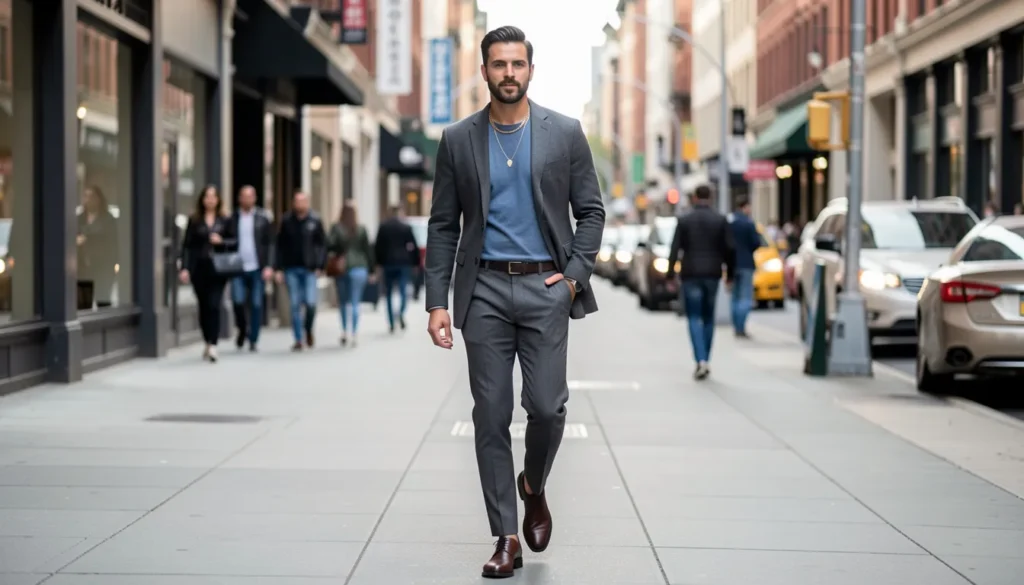
Navigating the world of men’s fashion can feel like a complex journey. Trends come and go, style rules seem to shift, and building a wardrobe that is both functional and expressive can be a challenge. Whether you’re starting from scratch or looking to refine your personal style, understanding the core principles of dressing well is the first step toward confidence. This guide will walk you through everything from foundational wardrobe essentials and mastering the right fit to exploring seasonal trends and the art of accessorizing. We’ll provide practical advice, real-world examples, and the style tips you need to look and feel your best for any occasion.
Understanding the Foundations of Men’s Style
Before diving into specific trends or clothing items, it’s crucial to grasp the fundamental concepts that underpin all great outfits. These principles are timeless and will serve you well regardless of the season or prevailing fads.
The Importance of Fit
The single most important aspect of men’s fashion is fit. An expensive, high-quality suit will look cheap if it doesn’t fit correctly, while a well-fitting, affordable outfit can look sharp and tailored.
- Shoulders: The seam of your shirt, jacket, or coat should sit directly on the edge of your shoulder bone. If it hangs over, it’s too big. If it pulls, it’s too small.
- Torso: You should be able to button your shirts and jackets without the fabric pulling or creating an ‘X’ shape. However, it shouldn’t be so loose that it billows. A good rule of thumb is that you should be able to slide a flat hand comfortably between your chest and the fabric.
- Sleeve Length: For dress shirts, the cuff should end right at the base of your wrist. For jackets, it should be about a half-inch shorter to allow a bit of the shirt cuff to show.
- Trouser Break: The “break” is the small fold of fabric that occurs at the bottom of your pants where they meet your shoes.
- No Break: The hem just skims the top of the shoe. This is a modern, clean look.
- Slight Break: A minimal crease. This is the most versatile and widely accepted style.
- Full Break: A significant fold of fabric. This is a more traditional, classic look.
Building a Color Palette
A cohesive wardrobe is built on a smart color palette. Start with a base of neutral colors that can be easily mixed and matched.
- Core Neutrals: Navy, grey, black, white, and beige. These colors form the backbone of your wardrobe, perfect for suits, trousers, coats, and basic t-shirts.
- Secondary Colors: Introduce richer, more versatile colors like olive green, burgundy, and brown. These can be found in sweaters, chinos, and casual shirts.
- Accent Colors: Use brighter or more distinct colors sparingly to add personality. Think of a patterned tie, a colorful pocket square, or a vibrant pair of socks.
Understanding Fabric and Texture
Different fabrics are suited for different seasons and occasions. Incorporating varied textures also adds depth and interest to your outfits.
- Cotton: Versatile and breathable. The foundation for t-shirts, chinos, and oxford shirts.
- Wool: Essential for suiting and cold-weather clothing like sweaters and coats.
- Linen: Lightweight and breathable, perfect for summer shirts and trousers. It wrinkles easily, which is part of its relaxed charm.
- Denim: A durable and timeless staple for jeans and jackets.
- Leather: Adds a rugged edge to your look through jackets, boots, and belts.
Creating a Versatile Capsule Wardrobe
A capsule wardrobe is a collection of essential items that don’t go out of style and can be easily mixed and matched. This approach saves money, reduces decision fatigue, and ensures you always have something great to wear.
Essential Tops
- White & Black T-shirts: Invest in high-quality crewneck t-shirts made from heavyweight cotton. They serve as a base layer or can be worn on their own.
- Oxford Cloth Button-Down (OCBD) Shirts: The workhorse of any man’s closet. Get one in white and one in light blue. They can be dressed up with a blazer or dressed down with jeans.
- Polo Shirts: A smart alternative to a t-shirt. A classic polo in navy or grey works for business casual settings and weekend wear.
- A Quality Knit Sweater: A crewneck or V-neck sweater in merino wool or cashmere is perfect for layering. Grey, navy, or camel are excellent starting points.
Essential Bottoms
- Dark-Wash Selvedge Denim: A pair of well-fitting dark jeans is arguably the most versatile item you can own. They can be paired with almost anything.
- Chinos: More formal than jeans but more casual than dress pants. Start with a pair in khaki or navy.
- Grey Wool Trousers: These can be worn with a blazer for a business casual look or with a sweater for a sophisticated weekend outfit.
Essential Outerwear
- The Navy Blazer: An incredibly versatile piece that can elevate a simple t-shirt and jeans or be paired with trousers for a formal event.
- A Technical Jacket: A waterproof and wind-resistant jacket is a practical necessity for transitional weather.
- A Classic Overcoat: For winter, a single-breasted overcoat in camel, navy, or charcoal grey is a timeless investment that can be worn over a suit or casual wear.
Essential Footwear
- White Minimalist Sneakers: The go-to casual shoe. They work with jeans, chinos, and even suits for a modern look.
- Brown Leather Brogues or Derbies: A versatile dress shoe that can be worn with suits, trousers, and dark denim.
- Leather Boots: A pair of Chelsea boots or classic work boots (like a Red Wing moc toe) adds a rugged yet refined element to your wardrobe, especially in fall and winter.
Understanding what to wear for different occasions is a key part of men’s style. While dress codes have become more relaxed, knowing the expectations will help you make the right impression.
Casual
This is your everyday wear. Think jeans, t-shirts, casual button-downs, sweaters, and sneakers. The key is to look put-together, even in a relaxed setting. Ensure your clothes are clean, fit well, and are free of wrinkles.
Smart Casual
A step up from casual, smart casual bridges the gap between relaxed and formal. It’s about looking polished without being stuffy.
- What to Wear: Chinos or dark denim, a button-down shirt or a quality polo, a blazer or a sports coat, and leather shoes like loafers or brogues.
- Example Outfit: Navy chinos, a white oxford shirt, a brown leather belt with matching loafers, and an optional grey blazer.
Business Casual
This is the standard for most modern offices. It’s professional without requiring a full suit.
- What to Wear: Dress trousers or chinos, a collared dress shirt (tie optional), a blazer or sports coat, and leather dress shoes. Avoid jeans and sneakers.
- Example Outfit: Grey wool trousers, a light blue dress shirt, a navy blazer, and black leather derby shoes.
Formal (Black Tie Optional / Black Tie)
This is for formal events like weddings, galas, or awards ceremonies.
- Black Tie Optional: You have the option of wearing a tuxedo, but a dark suit (navy or charcoal) with a white dress shirt and a conservative tie is also acceptable.
- Black Tie: This requires a tuxedo. A classic black tuxedo with a white formal shirt, a black bow tie, and black patent leather shoes is the standard.
Exploring Men’s Fashion Trends
While timeless style should be your foundation, incorporating current trends can keep your look fresh and modern. The key is to adopt trends that align with your personal style rather than blindly following every new fad.
The Rise of “Quiet Luxury”
This trend focuses on high-quality materials, impeccable tailoring, and minimalist designs over flashy logos. It’s about investing in well-made, understated pieces that will last for years. Think cashmere sweaters, unbranded leather goods, and perfectly cut trousers.
The Return of Vintage Styles
Fashion is cyclical, and styles from past decades are constantly being reinterpreted.
- 70s Influence: We’re seeing more flared trousers, earth-toned color palettes (mustard, brown, orange), and textured fabrics like corduroy and suede.
- 90s Grunge: Relaxed-fit denim, flannel shirts, band t-shirts, and combat boots continue to influence streetwear.
- Y2K Revival: Baggy jeans, technical outerwear, and futuristic sneakers are making a comeback, particularly among younger audiences.
The Focus on Sustainable and Ethical Fashion
More men are becoming conscious of where their clothes come from. This trend involves supporting brands that use sustainable materials, ethical production methods, and transparent supply chains. It also encourages buying less but better-quality clothing.
Functional & Technical Wear (Gorpcore)
Named after the acronym for “Good Ol’ Raisins and Peanuts,” this trend borrows from outdoor and hiking gear. It emphasizes functionality with items like fleece jackets, cargo pants, waterproof shells, and trail running shoes becoming everyday staples.
The Art of Accessorizing
Accessories are the finishing touches that can elevate an outfit from good to great. They allow you to express your personality and add points of interest to your look.
Watches
A watch is more than a time-telling device; it’s a piece of jewelry that speaks to your personal style.
- Dress Watch: Simple, elegant, with a leather strap. Perfect for formal occasions.
- Dive Watch: Sporty and robust, often with a metal bracelet. A versatile choice for everyday wear.
- Field Watch: Rugged, practical, and originally designed for military use. Great for a casual, utilitarian look.
Belts
The classic rule is to match your belt leather to your shoe leather. A brown leather belt goes with brown leather shoes, and a black belt goes with black shoes. For casual outfits, a woven or canvas belt can add texture and color.
Sunglasses
Beyond protecting your eyes, sunglasses are a major style statement. Find a frame shape that complements your face shape. Classic styles like the Wayfarer, Aviator, or Clubmaster are universally flattering.
Bags
Every man needs a functional bag.
- Backpack: A sleek leather or canvas backpack is a stylish and practical choice for commuting.
- Briefcase: For a more traditional business look, a quality leather briefcase is essential.
- Tote Bag: A simple canvas tote is great for weekend errands.
Conclusion: Defining Your Personal Style
Men’s fashion is not about following a rigid set of rules or chasing every trend. It’s about understanding the principles of fit, color, and proportion to build a wardrobe that makes you feel confident and comfortable. Start with a foundation of timeless, versatile essentials. From there, experiment with trends and accessories that resonate with you.
Your personal style is a journey of discovery. Pay attention to what makes you feel good. Use this guide as a roadmap, but don’t be afraid to take detours and make it your own. The best-dressed man is one whose clothes are a true reflection of who he is.
Frequently Asked Questions (FAQs)
Q1: How can I find my personal style?
A: Start by looking for inspiration. Create a mood board on Pinterest or save images of outfits you like. Identify common themes—are you drawn to rugged, minimalist, or classic styles? Experiment by trying new items, but focus on what feels authentic to you and fits your lifestyle.
Q2: What are the biggest fashion mistakes men make?
A: The most common mistake is wearing clothes that don’t fit properly—usually too big. Other frequent errors include wearing wrinkled clothes, mismatching leathers (e.g., black belt with brown shoes), and over-accessorizing.
Q3: How often should I update my wardrobe?
A: Your core essentials should be timeless and only replaced when they wear out. For trendier items, consider adding one or two new pieces each season to keep your look current. Focus on quality over quantity.
Q4: Is it okay to wear sneakers with a suit?
A: Yes, this has become a widely accepted modern look, but it has to be done correctly. The suit should be slim-cut and contemporary, and the sneakers should be clean, minimalist, and made of a premium material like leather. This look is best for smart casual or creative environments, not formal business meetings.
Q5: What is the most important piece of clothing a man can own?
A: While it’s subjective, many stylists would argue for a well-fitting navy blazer. Its versatility is unmatched—it can be dressed up with wool trousers or dressed down with jeans, making it suitable for a huge range of occasions.

Sofia Bennett is a fashion writer and style observer known for her clean sense of aesthetics and trend analysis. She has covered fashion shows, reviewed designer collections, and interviewed independent creators. Sofia specializes in connecting fashion with real-life lifestyle choices, helping readers understand what looks good — and why.