
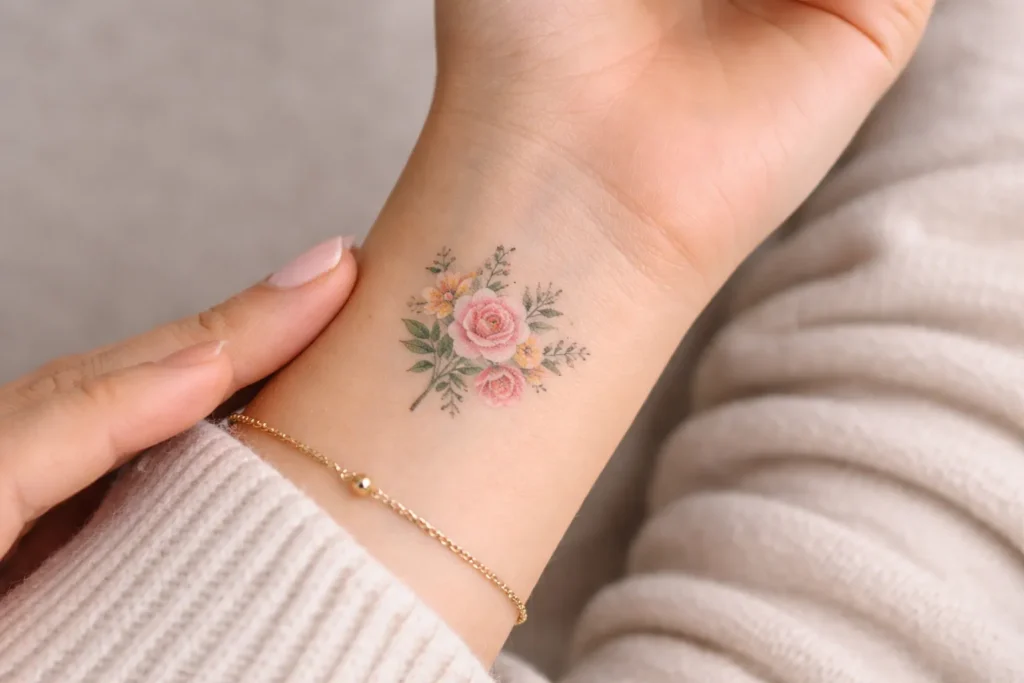
In the world of body art, bigger isn’t always better. Small tattoos for women have surged in popularity, offering a subtle yet powerful way to express individuality without committing to a full sleeve. Whether you are a first-timer nervous about the needle or a seasoned collector looking for a delicate filler piece, minimalist ink provides endless possibilities for creativity.
These tiny designs carry massive significance. A single word, a tiny flower, or a geometric shape can hold a lifetime of memories or symbolize a deeply held belief. Because they are discreet, they are also incredibly versatile, easily hidden for professional settings or shown off when you choose.
In this comprehensive guide, we will explore everything you need to know about petite ink. From the most popular design trends to pain levels and healing times, we have got you covered.
Why Small Tattoos Are Trending
The shift towards minimalism in fashion and lifestyle has naturally extended to tattoo culture. Gone are the days when tattoos were exclusively associated with rebellion or heavy metal. Today, they are viewed as fine art accessories.
Subtle Self-Expression
For many women, a tattoo is a private reminder rather than a public billboard. A small symbol on the wrist or behind the ear serves as a personal mantra that doesn’t scream for attention but whispers significance to the wearer.
Lower Commitment and Cost
- Time: A small piece can often be completed in under an hour, making it easy to fit into a busy schedule.
- Budget: While good artists have minimum shop rates, a tiny tattoo is significantly cheaper than a large, multi-session piece.
- Pain: Less time in the chair means less endurance required. This makes small designs perfect for testing your pain tolerance.
Professional Versatility
While workplaces are becoming more accepting of visible ink, some industries remain conservative. Small tattoos can be placed in easily concealable areas like the ribs, hip, or inner ankle, allowing you to maintain a professional image effortlessly.
Top Design Trends for Small Tattoos
Choosing a design is the hardest part. The options are infinite, but certain styles have captured the hearts of women worldwide for their timeless elegance.
Fine Line Art
This style uses a single needle or very fine grouping to create incredibly delicate, wispy lines. It looks almost like a sketch on the skin.
- Popular Motifs: One-line faces, delicate script, and thin geometric shapes.
- Why It Works: It ages gracefully and looks sophisticated, resembling fine jewelry more than traditional ink.
Micro Realism
Imagine a photograph shrunk down to the size of a coin. Micro realism artists use intricate shading and detail to create tiny, lifelike images.
- Popular Motifs: Pets, realistic flowers, and famous micro-sized paintings.
- Why It Works: It showcases incredible artistry and allows you to carry a realistic portrait without it taking up significant skin real estate.
Celestial Bodies
The moon, stars, and sun are perennial favorites. They represent guidance, light, and cycles of life.
- Sun and Moon: Often used to symbolize balance or a close relationship (one person gets the sun, the other the moon).
- Constellations: Your zodiac sign’s constellation is a unique way to represent your identity without using a literal symbol like a lion or scales.
Botanical and Floral
Flowers are perhaps the most classic choice for women’s tattoos.
- Rose: Symbolizes love and passion. A tiny rose on the finger or behind the ear is iconic.
- Lotus: Represents rebirth and rising above adversity.
- Wildflowers: A sprig of lavender or a daisy chain looks beautiful wrapping around a wrist or ankle.
Meaningful Script
Sometimes, you just want to spell it out. A single word like “Breathe,” “Hope,” or a loved one’s handwriting is timeless.
- Placement Tip: Script looks best on linear parts of the body, like the forearm, ribcage, or collarbone.
Best Placement Ideas for Small Tattoos
Where you put your tattoo is just as important as what you get. The placement changes the vibe of the tattoo entirely.
The Wrist
The inner wrist is a prime spot for tattoos you want to see every day. It’s a constant visual reminder for the wearer.
- Pain Level: Moderate. The skin is thin and near bone and tendons.
- Visibility: High.
Behind the Ear
This is a sensual, discreet spot. It is easily hidden by hair but revealed when you tie your hair back.
- Designs: Notes, tiny stars, or small flowers curve beautifully here.
- Pain Level: High. The vibration near the skull can be intense.
The Ankle
A classic feminine spot. Ankle tattoos can be easily hidden with socks or boots and shown off with heels or sandals.
- Pain Level: High directly on the bone, low to moderate on the fleshy part above it.
The Finger
Finger tattoos are incredibly trendy, often resembling rings.
- Warning: Hand tattoos fade faster than any other spot due to constant washing and friction. You will likely need touch-ups every few years.
- Pain Level: High. There is very little fat cushioning the nerves.
The Ribcage
Often called “the side boob” placement, this is an intimate spot usually reserved for partners or the mirror.
- Designs: Vertical script or long-stemmed flowers work perfectly here.
- Pain Level: Very High. This is notoriously one of the most painful spots due to the thin skin over the ribs.
Preparing for Your First Small Tattoo
Even though the tattoo is small, the preparation should be professional.
Research Your Artist
Not all tattoo artists specialize in small or fine-line work. Heavy-handed artists might cause “blowout,” where the ink spreads under the skin, making fine lines look blurry. Look for portfolios that specifically feature fine line or micro work.
Hydrate and Eat
Drink plenty of water in the 24 hours leading up to your appointment. Hydrated skin takes ink better. Eat a solid meal beforehand to keep your blood sugar stable and prevent fainting.
Avoid Alcohol
Do not drink alcohol the night before or the day of your tattoo. Alcohol thins the blood, which can cause excess bleeding. This pushes the ink out and makes healing difficult.
Aftercare: Keeping Your Tiny Ink Crisp
Small tattoos are delicate. Because the lines are so fine, poor healing can result in parts of the tattoo disappearing or fading unevenly.
The Healing Process
- The Bandage: Leave the artist’s bandage on for the recommended time (usually 2-4 hours).
- Cleaning: Wash gently with lukewarm water and fragrance-free antibacterial soap. Pat dry with a clean paper towel—never rub.
- Moisturizing: Apply a very thin layer of tattoo aftercare balm or fragrance-free lotion. Do not over-moisturize; the skin needs to breathe.
- No Picking: As it heals, it will itch and peel. Do not pick the scabs, or you will pull the ink out.
Sun Protection
Sun is the enemy of tattoos. UV rays break down the pigment over time. Once your tattoo is healed, always apply high SPF sunscreen to it when outdoors to keep the lines crisp and black.
Small Matching Tattoos: Bonding in Ink
Small tattoos are perfect for matching with friends, sisters, or partners. Because they are subtle, they are a shared secret rather than a loud declaration.
- Puzzle Pieces: Each person gets a shape that fits the other.
- Split Quotes: One person gets the first half of a sentence, the other gets the second.
- Coordinates: The latitude and longitude of a place special to both of you (where you met, a childhood home).
The Cost Factor
“How much for something this small?” is a common question.
Do not expect to pay $20 just because the tattoo is the size of a coin.
- Shop Minimums: Most reputable shops have a minimum fee (often $80-$150) to cover the cost of sterile needles, ink, setup, and sterilization.
- Detail Costs: A micro-realism portrait the size of a quarter might cost $300+ because of the intense skill and time required to pack that much detail into a small space.
Dealing with Regret: Can You Remove Small Tattoos?
One of the benefits of small tattoos is that they are easier to remove or cover up if you change your mind later.
- Laser Removal: Smaller surface area means fewer laser pulses per session, making it cheaper and faster to remove than a large piece.
- Cover-ups: A small, faded symbol is very easy for an artist to hide beneath a slightly larger, new design.
Conclusion
Small tattoos for women are a beautiful intersection of art and personal identity. They prove that you don’t need to cover your whole body to make a statement. Whether you choose a hidden symbol on your ribcage or a visible piece of art on your wrist, these tiny designs can boost your confidence and serve as permanent jewelry.
Take your time choosing your design and your artist. Since the tattoo is small, imperfections will be more noticeable, so quality matters. With the right care, your miniature masterpiece will stay crisp and meaningful for a lifetime.
Frequently Asked Questions (FAQs)
Q: do small tattoos hurt less?
A: generally, yes, but mostly because the duration is shorter. The intensity of the pain depends on the placement (ribs hurt more than arms), but the suffering lasts 10-20 minutes instead of 4 hours.
Q: Do small fine-line tattoos fade faster?
A: Yes, they can. Because the ink is not packed as deeply or densely as bold traditional tattoos, the body’s immune system can break it down faster. You may need a touch-up every 5-10 years.
Q: Can I swim after getting a small tattoo?
A: No. You must wait until the tattoo is fully healed (usually 2-4 weeks) before submerging it in pools, oceans, or bathtubs to avoid infection.
Q: How do I choose a design that won’t look blurry later?
A: Simplicity is key. If you try to cram too much detail into a tiny space, the ink will spread over time (a process called migration) and the details will merge into a blob. Trust your artist if they say a design needs to be simplified or made slightly larger.
Q: Is it rude to ask for a price quote for a small tattoo?
A: Not at all. Send the artist a reference picture, the approximate size in inches, and the placement you want. This allows them to give you an accurate estimate.

Sofia Bennett is a fashion writer and style observer known for her clean sense of aesthetics and trend analysis. She has covered fashion shows, reviewed designer collections, and interviewed independent creators. Sofia specializes in connecting fashion with real-life lifestyle choices, helping readers understand what looks good — and why.