
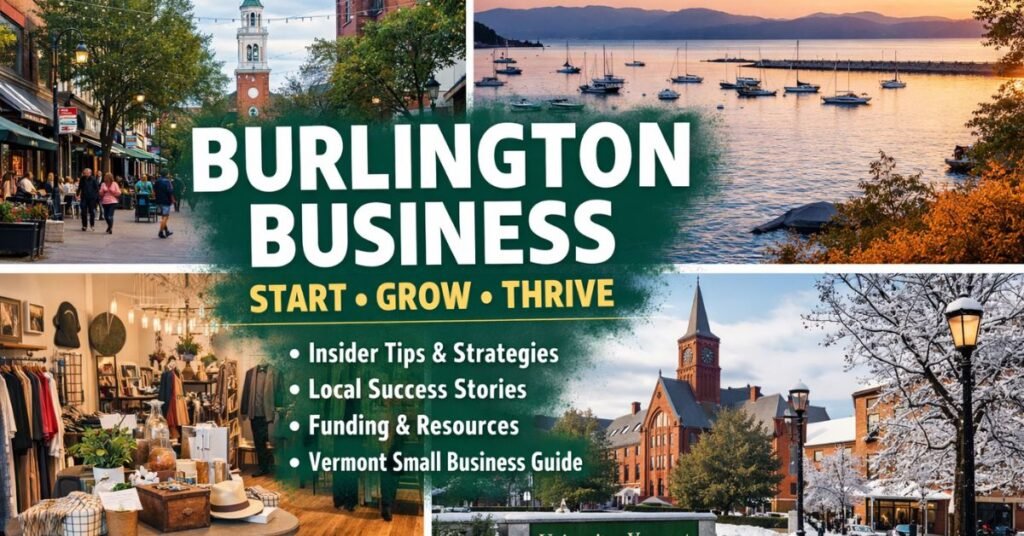
If you’ve ever walked down Church Street on a crisp autumn morning — coffee in hand, Lake Champlain glistening in the distance — you’ve felt it. That quiet but undeniable pulse. Burlington business isn’t just about storefronts and spreadsheets. It’s about community, creativity, resilience, and a surprisingly powerful economic engine tucked into a small city.
Whether you’re thinking about launching a startup, relocating your company, investing locally, or simply understanding the regional economy better, this guide is built for you.
In this deep-dive, we’ll unpack:
- What makes Burlington’s business ecosystem unique
- The industries driving growth
- Real-world opportunities (and challenges)
- Step-by-step guidance to start or scale
- Tools, funding, and support systems
- Common mistakes to avoid
- FAQs that business owners actually ask
This isn’t theory. It’s practical, real-world insight written for people who want to build something meaningful in Burlington, Vermont.
Let’s get into it.
What Is “Burlington Business” — And Why It’s Different
At first glance, Burlington business might look like a typical small-city economy: retail, hospitality, local services, and a handful of tech firms.
But that assumption misses the bigger picture.
Burlington, located in Burlington, is Vermont’s largest city — yet it maintains the intimacy of a town where reputation travels faster than advertising. The economic structure here is shaped by three powerful forces:
- A strong local-first culture
- A highly educated population
- A collaborative business environment
The presence of University of Vermont plays a significant role. Universities don’t just educate students — they fuel research, talent pipelines, housing demand, startup culture, and service industries.
Then there’s Champlain College, known for technology, cybersecurity, and business programs. That steady stream of graduates feeds directly into the regional workforce.
Unlike sprawling metro economies, Burlington operates on connection capital. People know each other. Partnerships form organically. Word-of-mouth still matters — sometimes more than digital ads.
If New York is a high-speed highway, Burlington is a well-connected network of neighborhood streets. Smaller scale. More human. Often more sustainable.
The Economic Landscape of Burlington, Vermont
To understand Burlington business properly, you need to see the ecosystem, not just the storefronts.

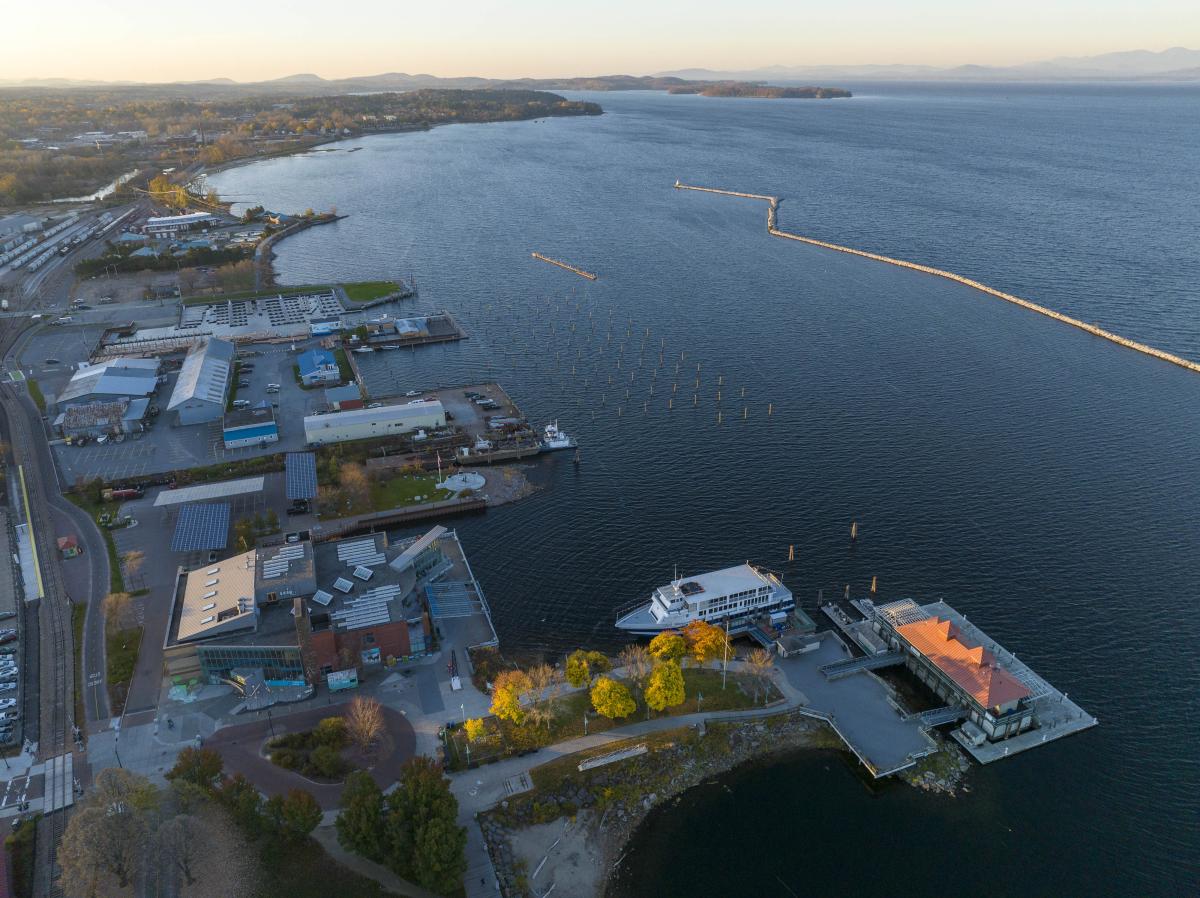
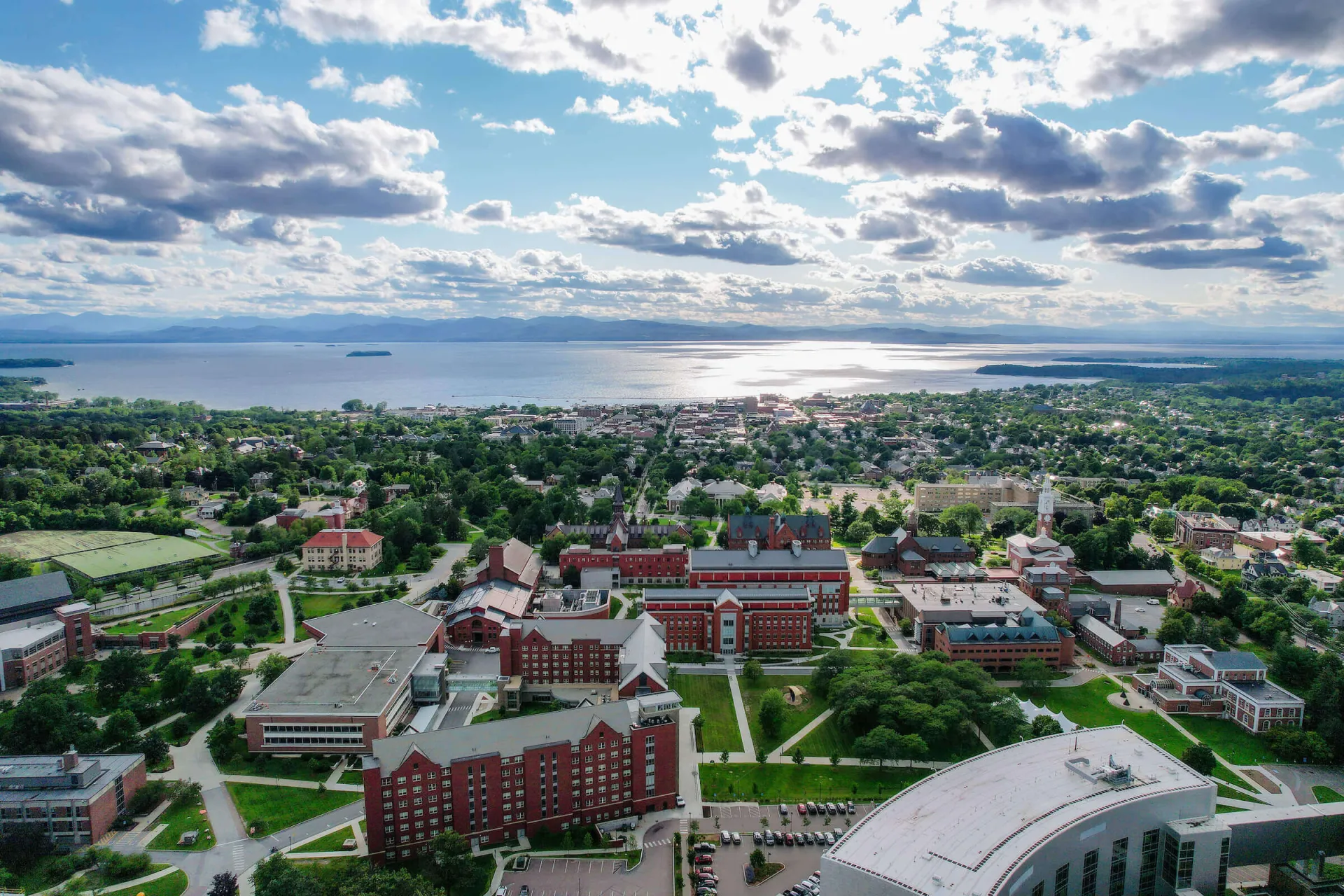
Key Industries Powering Burlington Business
Here are the primary sectors shaping the local economy:
- Healthcare and medical services
Major employers include University of Vermont Medical Center, which anchors not only healthcare jobs but biotech and research activity. - Education
With multiple colleges, education fuels employment, housing, retail, and services. - Technology and startups
Burlington has quietly built a reputation as a growing tech hub, especially in SaaS, edtech, cybersecurity, and green technology. - Tourism and hospitality
Lake Champlain, ski resorts nearby, fall foliage — tourism drives seasonal surges in revenue. - Local food and craft industries
Vermont’s farm-to-table ethos and craft beer scene have global recognition.
Why the Economy Feels Resilient
Burlington’s economy doesn’t rely on one mega-corporation. Instead, it’s diversified across:
- Mid-sized employers
- Small businesses
- Local service providers
- Seasonal tourism revenue
This decentralization can make downturns less catastrophic — but it also means entrepreneurs must think creatively to scale.
Why Entrepreneurs Are Drawn to Burlington Business
There’s a reason founders from larger cities relocate here.
Quality of Life Is a Business Asset
Access to Lake Champlain. Walkable neighborhoods. Strong community culture. Outdoor recreation. Lower stress.
For many entrepreneurs, burnout is the hidden tax of big-city business. Burlington offers a different rhythm without sacrificing ambition.
A Highly Educated Workforce
The city’s workforce is:
- Tech literate
- Socially conscious
- Entrepreneurially curious
- Adaptable
For knowledge-based businesses, that’s gold.
Supportive Local Networks
Organizations like Vermont Small Business Development Center provide mentoring, financial guidance, and startup assistance.
This isn’t a “figure it out alone” environment. It’s a collaborative one.
Benefits and Real-World Use Cases of Building a Burlington Business
Let’s move from theory to application.
Who Is Burlington Business Best Suited For?
- Tech founders building SaaS or digital products
- Boutique retailers seeking a loyal local audience
- Hospitality entrepreneurs leveraging tourism
- Food and beverage creators
- Remote-first companies seeking physical HQ space
Practical Benefits
Lower Competition Density
Compared to major cities, you’re not fighting 500 competitors on day one.
Stronger Community Loyalty
Local customers genuinely prefer supporting local businesses.
Simplified Networking
You can meet decision-makers face-to-face, quickly.
Accessible Government Resources
Vermont often provides grants and sustainability incentives.
Example Scenario
Imagine launching a sustainable clothing boutique.
In a major metro:
- Massive ad budgets required
- Intense competition
- Expensive retail leases
In Burlington:
- Community alignment with sustainability
- Foot traffic on Church Street
- Events that promote local brands
- Word-of-mouth amplification
That’s leverage.
Step-by-Step Guide to Starting a Burlington Business
If you’re serious, here’s the structured roadmap.
Step 1: Validate the Market
Before registering anything:
- Conduct surveys in local Facebook groups
- Visit competitor locations
- Analyze seasonal demand
- Identify tourist vs. local revenue balance
Burlington has seasonality. Your business model must reflect that.
Step 2: Register and Structure Your Business
Choose:
- Sole proprietorship
- LLC
- Corporation
Register with Vermont’s Secretary of State and obtain necessary permits.
If food-related, expect health inspections. If retail, check zoning requirements.
Step 3: Secure Funding
Options include:
- Local credit unions
- SBA loans
- Vermont economic grants
- Angel investors from alumni networks
Leverage resources like U.S. Small Business Administration for loan guarantees and guidance.
Step 4: Build Local Partnerships
Partner with:
- Other local businesses
- Tourism operators
- Community organizations
- Colleges
In Burlington, partnerships often outperform ads.
Step 5: Develop a Digital Presence
Even in a community-driven economy, digital matters.
You need:
- A fast, mobile-friendly website
- Google Business Profile optimization
- Active social media
- Email marketing
Tourists search before they arrive.
Tools, Comparisons, and Recommendations for Burlington Business Owners
Running a Burlington business requires both local and digital tools.
Website & E-Commerce
Free-ish options:
- WordPress
- Shopify Starter
Paid scalable platforms:
- Shopify Advanced
- Webflow
- Squarespace Commerce
If you’re retail or hospitality-based, strong visuals matter.
Accounting Software
Free tier:
- Wave
Paid:
- QuickBooks Online
- Xero
For Vermont-specific tax nuances, hire a local accountant early.
Marketing Tools
Email:
- Mailchimp (free tier available)
- ConvertKit
SEO:
- Ahrefs
- Semrush
Local promotion:
- Event sponsorship
- Local press outreach
Free vs. Paid: What’s Worth It?
Free tools are fine for testing. But once revenue begins, paid tools:
- Save time
- Improve data accuracy
- Reduce stress
- Increase scalability
Think long-term.
Common Mistakes in Burlington Business (And How to Avoid Them)
Let’s talk reality.
Mistake 1: Ignoring Seasonality
Winter and summer tourism cycles affect revenue.
Fix:
Create diversified revenue streams and off-season promotions.
Mistake 2: Underestimating Rent Costs
Prime downtown locations aren’t cheap.
Fix:
Negotiate leases carefully. Consider shared spaces initially.
Mistake 3: Over-Relying on Foot Traffic
Foot traffic fluctuates.
Fix:
Invest in digital acquisition channels early.
Mistake 4: Not Networking Locally
This is relationship-driven business territory.
Fix:
Attend Chamber events. Join local entrepreneur groups.
Mistake 5: Scaling Too Fast
Small-market dynamics require measured growth.
Fix:
Prioritize cash flow stability over rapid expansion.
Advanced Growth Strategies for Established Burlington Businesses
Once you’re stable, growth requires strategy.
Expand Regionally
Target:
- Surrounding Vermont towns
- Upstate New York
- Online national markets
Build Subscription Revenue
Local food brands can create:
- Monthly boxes
- Seasonal product bundles
- Membership discounts
Recurring revenue smooths seasonal dips.
Leverage Tourism SEO
Rank for:
- “Best restaurants in Burlington”
- “Lake Champlain tours”
- “Burlington Vermont shopping”
Content marketing drives long-term visibility.
The Future of Burlington Business
Several trends are shaping the next decade:
Remote Work Migration
More professionals relocating for lifestyle.
Sustainability Focus
Green businesses align naturally with Vermont values.
Tech & Innovation
Startup accelerators and tech networks expanding.
Community Investment
Local-first purchasing remains strong.
Burlington may be small in size, but its economic mindset is forward-looking.
Conclusion: Is Burlington Business Right for You?
If you want:
- A community-driven economy
- Manageable competition
- High quality of life
- Strong local loyalty
- Access to educated talent
Then Burlington business offers serious opportunity.
But success here requires understanding the local rhythm — seasonality, relationships, and sustainability matter more than flashy scale.
Build thoughtfully. Engage deeply. Adapt intelligently.
If you’re planning to start or expand in Burlington, share your idea — I’d love to hear what you’re building.
FAQs
What are the main industries in Burlington, Vermont?
Healthcare, education, tourism, technology, and local food production dominate the Burlington business landscape.
Is Burlington a good place to start a small business?
Yes, especially for community-focused, sustainable, tech, or tourism-related ventures.
How expensive is it to start a business in Burlington?
Costs vary, but retail rent downtown can be significant. Service-based businesses have lower startup costs.
Does Burlington have strong tourism traffic?
Yes. Summer and fall are peak seasons due to Lake Champlain and foliage tourism.
Are there grants available for Burlington businesses?
Yes. Vermont offers sustainability incentives, and SBA-backed programs are available.

Michael Grant is a business writer with professional experience in small-business consulting and online entrepreneurship. Over the past decade, he has helped brands improve their digital strategy, customer engagement, and revenue planning. Michael simplifies business concepts and gives readers practical insights they can use immediately.