
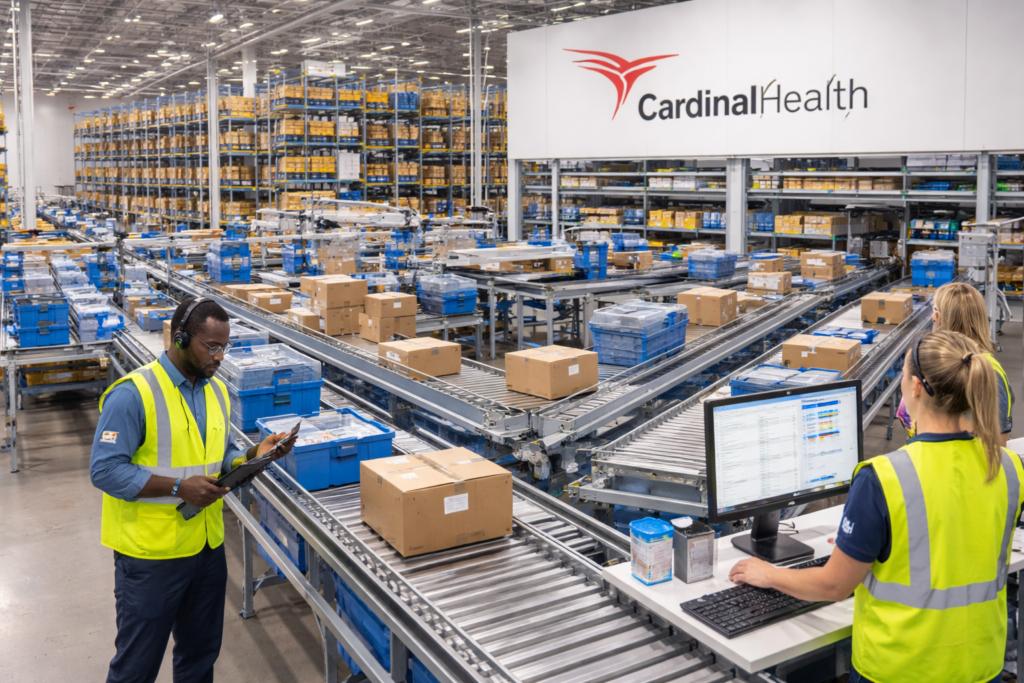
In the vast and complex machinery of the global healthcare system, certain organizations operate as the essential gears that keep everything moving. Cardinal Health is one such powerhouse. As a global distributor of pharmaceuticals, a manufacturer of medical and laboratory products, and a provider of performance and data solutions for healthcare facilities, Cardinal Health plays a critical role in ensuring that patients get the care they need when they need it.
For healthcare providers, navigating the supply chain can be a daunting task. From hospitals and pharmacies to ambulatory surgery centers and clinical labs, the need for reliable access to medication and supplies is paramount. This comprehensive guide explores the multifaceted operations of Cardinal Health, examining how they drive efficiency, improve patient outcomes, and shape the future of medical care through innovation and logistics excellence.
What is Cardinal Health?
Headquartered in Dublin, Ohio, Cardinal Health is a Fortune 500 company that sits at the intersection of logistics, product manufacturing, and patient care. While they may not always be the name on the front of the hospital building, they are almost certainly behind the scenes, ensuring that the hospital has the drugs, gloves, surgical kits, and data insights required to operate.
With operations in more than 30 countries and approximately 48,000 employees worldwide, the company serves nearly 90% of U.S. hospitals. Their reach is staggering, but their mission is simple: to be the “wingman” for healthcare providers. By taking on the complexities of the supply chain and administrative burdens, they allow doctors, nurses, and pharmacists to focus on what matters most—patient care.
The company operates primarily through two segments:
- Pharmaceutical Segment: Distributing branded and generic drugs, specialty medications, and over-the-counter healthcare products.
- Medical Segment: Manufacturing and distributing medical, surgical, and laboratory products.
The Pharmaceutical Segment: Ensuring Access to Medication
The Pharmaceutical segment is the larger of the two businesses by revenue, serving as a vital link between drug manufacturers and healthcare providers.
Pharmaceutical Distribution
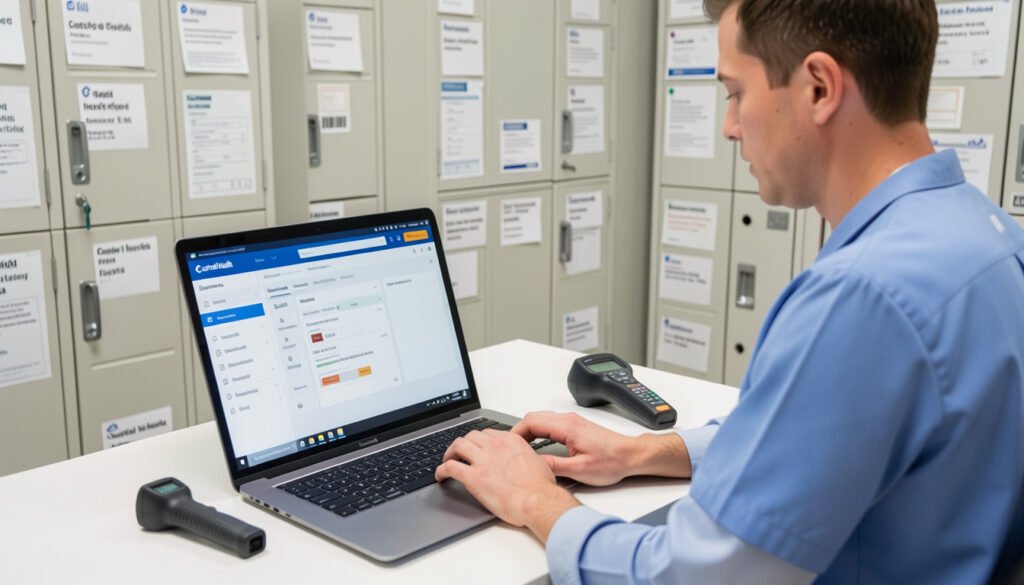
At its core, Cardinal Health is a logistics giant. They distribute pharmaceuticals to retail chains, independent pharmacies, hospitals, and long-term care facilities. Their sophisticated distribution network ensures that medications—ranging from common antibiotics to life-saving oncology drugs—are delivered safely and efficiently.
- Scale and Reach: They deliver to thousands of pharmacy locations every day.
- Safety and Compliance: Rigorous protocols are in place to ensure the integrity of the drug supply chain, protecting against counterfeit medications and ensuring compliance with regulatory standards.
Specialty Solutions
Specialty medications, often used to treat complex chronic conditions like cancer, rheumatoid arthritis, and multiple sclerosis, require special handling. Cardinal Health offers specialized logistics for these temperature-sensitive and high-value drugs.
- Patient Support Hubs: Beyond just moving boxes, they provide patient support services to help navigate insurance reimbursement and adherence to treatment plans.
- Oncology Practice Support: They provide community oncologists with tools and inventory management solutions to help them run efficient practices while delivering top-tier care.
Nuclear Pharmacy Services
A unique niche within their pharmaceutical operations is nuclear medicine. Cardinal Health operates a vast network of radiopharmacies that prepare and deliver time-critical radiopharmaceuticals used for diagnostic imaging (like PET and SPECT scans) and therapeutics. Because these isotopes decay rapidly, the logistics must be precise.
The Medical Segment: Manufacturing and Supply
While they distribute products from many manufacturers, Cardinal Health is also a significant manufacturer in its own right. Their Medical segment provides a broad portfolio of medical, surgical, and laboratory products.
Cardinal Health Brand Products
The company manufactures billions of units of medical products annually. These are the everyday essentials found in almost every medical setting.
- Infection Control: Gloves, gowns, masks, and drapes designed to protect both clinicians and patients.
- Wound Care: Advanced bandages, gauze, and negative pressure wound therapy devices.
- Fluid Management: Suction canisters and tubing used during surgeries.
- Compression: Devices used to prevent deep vein thrombosis (DVT) in hospitalized patients.
By manufacturing these high-volume items themselves, they can control quality and cost, offering value-driven solutions to healthcare systems under financial pressure.
Distribution to the Continuum of Care
It’s not just hospitals that rely on Cardinal Health. Their distribution network extends to the entire continuum of care:
- Ambulatory Surgery Centers (ASCs): Providing surgical kits and custom procedure trays tailored to specific outpatient surgeries.
- Clinical Laboratories: Supplying reagents, diagnostic kits, and lab equipment.
- Home Health: Delivering medical supplies directly to patients’ homes, supporting the growing trend of home-based care.
Improving Efficiency with Data and Technology
In modern healthcare, physical products are only half the equation. The other half is data. Cardinal Health leverages technology to help providers reduce waste and improve operational efficiency.
Inventory Management Solutions
One of the biggest headaches for hospitals is tracking inventory. Too much stock ties up cash and leads to waste (expired products); too little stock puts patient safety at risk.
- RFID Technology: Cardinal Health uses Radio Frequency Identification (RFID) to track high-value implants and devices. Smart cabinets automatically record when an item is taken and restock it automatically.
- Data Analytics: Their platforms analyze usage patterns to predict demand, helping hospitals optimize their supply levels.
Medication Adherence Tools
For pharmacies, they offer solutions to help patients stick to their medication regimens. This includes medication synchronization programs (where all a patient’s refills happen on the same day) and adherence packaging (blister packs organized by time of day).
The Role of Cardinal Health in Global Health Challenges
The importance of a robust supply chain becomes glaringly obvious during health crises. Cardinal Health has been a pivotal player in responding to global challenges.
Pandemic Response
During the COVID-19 pandemic, the demand for Personal Protective Equipment (PPE) skyrocketed. Cardinal Health mobilized its global manufacturing and sourcing network to secure masks, gowns, and gloves for frontline workers. They also played a critical role in the distribution of vaccines and ancillary kits (syringes and needles) required for vaccination campaigns.
Supply Chain Resilience
The pandemic exposed vulnerabilities in global supply chains. In response, the company has invested in diversifying its sourcing and expanding its manufacturing footprint, including increasing domestic production in the United States to ensure greater resilience against future disruptions.
Benefits for Healthcare Providers
Why do so many hospitals and pharmacies choose to partner with Cardinal Health? The benefits are tangible and touch every aspect of healthcare administration.
Cost Savings
By aggregating purchasing volume and offering private-label products, they help healthcare systems reduce their spend on supplies. Their inventory management tools further reduce costs by minimizing waste and obsolescence.
Operational Efficiency
Outsourcing supply chain logistics allows hospital staff to stop managing boxes and start managing patients. Automated ordering and restocking free up nursing time and reduce administrative overhead.
Clinical Quality
Access to high-quality, reliable medical products is foundational to patient safety. From surgical gloves with enhanced tactile sensitivity to accurate lab diagnostics, the quality of supplies directly impacts clinical outcomes.
Challenges and Criticisms
No company of this size operates without challenges. Cardinal Health, along with other major pharmaceutical distributors, faced significant scrutiny regarding the opioid epidemic.
The Opioid Settlement
The company was involved in nationwide litigation concerning the distribution of prescription opioids. In a landmark settlement, Cardinal Health and other distributors agreed to pay billions of dollars to states and local governments to fund addiction treatment and prevention programs.
- Corrective Actions: The company has since implemented rigorous “Controlled Substance Monitoring Programs” (CSMP). These programs use advanced data analytics to identify suspicious orders from pharmacies and halt shipments if necessary. They have also increased transparency and cooperation with law enforcement.
Sustainability and Corporate Social Responsibility
Modern corporations are expected to be good stewards of the environment and their communities. Cardinal Health has integrated Environmental, Social, and Governance (ESG) principles into its strategy.
Environmental Impact
- Reducing Emissions: The company has set goals to reduce Scope 1 and 2 greenhouse gas emissions.
- Sustainable Packaging: Efforts are underway to reduce packaging waste and increase the use of recycled materials in their shipping processes.
Diversity and Inclusion
The company actively promotes diversity within its workforce and supplier base. Their “Supplier Diversity Program” seeks to source products and services from businesses owned by minorities, women, veterans, and LGBTQ+ individuals.
The Future of Cardinal Health
As healthcare evolves, so too does Cardinal Health. Several trends are shaping their future strategy.
The Shift to Home Care
With an aging population and a push to lower costs, more care is moving from the hospital to the home. Cardinal Health is expanding its capabilities to deliver medical supplies and nutritional products directly to patients’ doorsteps, supporting the “Hospital at Home” model.
Digital Health
The company continues to invest in digital platforms. From AI-driven supply chain forecasting to telehealth support tools, the integration of technology remains a top priority.
Biopharma Services
The rise of cell and gene therapies presents new logistical challenges. These personalized treatments often require ultra-cold storage and strict chain-of-custody tracking. Cardinal Health is positioning itself as a leader in the logistics of these next-generation therapies.
Conclusion
Cardinal Health is a titan in the healthcare industry, serving as the connective tissue that links manufacturers, providers, and patients. Their massive logistical network, diverse product portfolio, and data-driven solutions make them indispensable to the modern medical system.
While they have faced challenges, particularly regarding the opioid crisis, their commitment to operational excellence and supply chain resilience continues to drive them forward. For healthcare providers, partnering with Cardinal Health means gaining a strategic ally dedicated to efficiency, cost reduction, and ultimately, better patient care. As the industry faces new hurdles—from pandemics to shifting care models—Cardinal Health stands ready to adapt and deliver.
FAQs About Cardinal Health
What does Cardinal Health do?
Cardinal Health is a global healthcare services and products company. They distribute pharmaceuticals and medical products, manufacture medical and surgical supplies, and provide performance and data solutions for healthcare facilities.
Is Cardinal Health a pharmaceutical company?
They are primarily a pharmaceutical distributor, meaning they move drugs from manufacturers to pharmacies and hospitals. However, they do not typically develop or manufacture their own brand-name drugs. They do manufacture medical products like gloves and surgical kits.
Where is Cardinal Health located?
The company’s global headquarters is in Dublin, Ohio, USA. However, they have operations and distribution centers in over 30 countries worldwide.
Does Cardinal Health sell directly to consumers?
Generally, no. Their primary customers are hospitals, pharmacies, ambulatory surgery centers, and clinical laboratories. However, they do have a segment focused on “Cardinal Health at Home” which supplies medical products for home care, often coordinated through insurance or home health agencies.
What is Cardinal Health’s role in the opioid crisis?
As a major distributor, Cardinal Health faced lawsuits regarding the volume of opioids shipped to pharmacies. They settled these lawsuits and have since implemented stringent monitoring programs to flag and stop suspicious orders of controlled substances.

Sofia Bennett is a fashion writer and style observer known for her clean sense of aesthetics and trend analysis. She has covered fashion shows, reviewed designer collections, and interviewed independent creators. Sofia specializes in connecting fashion with real-life lifestyle choices, helping readers understand what looks good — and why.