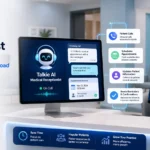

The way we access healthcare is undergoing a significant transformation, driven by technology that brings medical expertise directly to us, wherever we are. At the forefront of this evolution is telea health, a term that represents the delivery of health-related services and information via telecommunications technologies. From virtual doctor visits to remote monitoring of chronic conditions, telea health is breaking down traditional barriers to care, making it more convenient, efficient, and patient-centered.
This comprehensive guide will explore every facet of the telea health revolution. We will uncover what it is, the diverse services it encompasses, the profound benefits for both patients and providers, and how it is shaping the future of medicine. Whether you’re a patient curious about new care options or a provider looking to modernize your practice, understanding this digital shift is essential.
What Exactly is Telea Health?
Telea health, often used interchangeably with telemedicine, is the broad application of digital information and communication technologies, such as computers and mobile devices, to support and promote long-distance clinical health care, patient and professional health-related education, public health, and health administration. It’s more than just a video call with your doctor; it’s a comprehensive ecosystem of virtual tools and services designed to enhance the healthcare experience.
Think of it as a digital front door to the healthcare system. Instead of physically traveling to a clinic for every consultation, follow-up, or question, patients can connect with providers from the comfort of their own homes. This shift from in-person to virtual care has accelerated rapidly, proving its value in managing everything from common colds to complex chronic diseases.
The core technologies that power this new model include:
- Live Video Conferencing: Real-time, two-way communication between a patient and a provider.
- Asynchronous Communication: “Store-and-forward” technology where medical information (like images or messages) is sent to a specialist for later review.
- Remote Patient Monitoring (RPM): The use of digital devices to collect and transmit health data (like blood pressure or glucose levels) from a patient to their provider.
- Mobile Health (mHealth): The use of smartphones, tablets, and wearable devices to support health and wellness goals.
The Core Services Offered Through Telea Health
The scope of telea health is vast and continually expanding. It can be categorized into several key service areas that address different healthcare needs.
Urgent Care Consultations
For non-emergency issues like colds, flu, rashes, or minor infections, telea health offers a fast and convenient alternative to a trip to an urgent care clinic or emergency room. Patients can quickly connect with a doctor via video call, receive a diagnosis, and get a prescription sent to their local pharmacy.
- Example: A parent with a sick child in the middle of the night can consult a pediatrician virtually instead of waiting until morning or visiting a crowded ER.
Chronic Disease Management
This is one of the most impactful areas of telea health. Patients with conditions like diabetes, hypertension, or heart disease can use remote monitoring devices to track their vitals daily. This data is automatically sent to their care team, who can intervene proactively if they notice concerning trends.
- Example: A patient with hypertension uses a Bluetooth-enabled blood pressure cuff each morning. If their readings are consistently high, their nurse receives an alert and can schedule a virtual check-in to adjust their medication.
Mental Health Services (Telepsychiatry)
Access to mental healthcare has long been a challenge due to stigma, cost, and provider shortages. Telea health has revolutionized this field by making therapy and psychiatric care more accessible and private. Patients can have regular sessions with a therapist or psychiatrist from a location where they feel safe and comfortable.
- Example: A college student struggling with anxiety can schedule weekly video sessions with a counselor without having to leave campus or worry about privacy.
Specialist Follow-Ups and Consultations
Getting an appointment with a specialist can often involve long waits and extensive travel. Telea health allows primary care providers to consult with specialists remotely, or for patients to conduct follow-up appointments virtually, saving time and money.
- Example: A patient living in a rural area can have a post-surgery follow-up with their orthopedic surgeon via video call, avoiding a four-hour round trip to the city.
Prescription Management
Refilling prescriptions, especially for ongoing medications, can be easily managed through virtual visits. This ensures patients have a continuous supply of their needed medications without the hassle of an unnecessary in-person appointment.
The Transformative Benefits of Telea Health
The widespread adoption of virtual care offers profound advantages for everyone involved in the healthcare ecosystem.
Benefits for Patients
- Improved Access to Care: Patients in rural or underserved areas can access specialists who would otherwise be out of reach. It also provides a critical lifeline for individuals with mobility issues.
- Unmatched Convenience and Time Savings: Virtual visits eliminate travel time, time off work, and the need for childcare arrangements. Appointments can often be scheduled sooner than in-person visits.
- Cost Savings: Patients save money on gas, parking, and public transportation. Telea health visits may also have a lower co-pay depending on the insurance plan.
- Reduced Exposure to Illness: By staying home, patients avoid exposure to germs in a crowded waiting room, which is especially important for those who are immunocompromised.
- Enhanced Patient Engagement: Remote monitoring and mobile health apps empower patients to take a more active role in managing their own health, leading to better adherence and outcomes.
Benefits for Healthcare Providers
- Increased Efficiency: Virtual visits can be more streamlined than in-person appointments, allowing providers to see more patients and better manage their schedules.
- Reduced Administrative Overhead: Telea health platforms can automate scheduling, billing, and follow-up, reducing the burden on administrative staff.
- Lower No-Show Rates: Automated reminders and the convenience of virtual visits significantly decrease the number of missed appointments, improving revenue and continuity of care.
- Better Work-Life Balance: The ability to conduct visits from a home office offers providers greater flexibility, which can help reduce burnout.
- Improved Quality of Care: Consistent monitoring of chronic conditions allows for early intervention, preventing costly complications and hospitalizations.
Overcoming the Challenges of Virtual Care
While the benefits are clear, the transition to telea health is not without its challenges. Addressing these hurdles is key to ensuring equitable and effective virtual care for all.
The Digital Divide
Not everyone has access to the reliable internet connection or the necessary technology (like a smartphone or computer) required for a video consultation. Furthermore, a lack of digital literacy can be a significant barrier for some populations, particularly older adults.
Regulatory and Reimbursement Hurdles
State-specific licensing laws can make it difficult for providers to treat patients across state lines. Additionally, insurance reimbursement policies for telea health services have been inconsistent, though this has improved significantly in recent years.
Privacy and Security Concerns
Transmitting sensitive health information over the internet requires robust security measures to protect against data breaches and ensure HIPAA compliance. Patients and providers need to be confident that their data is secure.
Limitations of Virtual Examinations
A virtual visit cannot fully replicate a physical exam. Providers cannot use a stethoscope, feel for abnormalities, or perform certain diagnostic tests remotely. This means telea health is a complement to, not a complete replacement for, in-person care.
The Future is Hybrid: Integrating Virtual and In-Person Care
The future of healthcare is not a choice between in-person and virtual. Instead, it is a hybrid model that intelligently blends the two to provide the most appropriate care in the most efficient setting.
Imagine a patient journey:
- Initial Consultation: A patient experiences new symptoms and has an initial telea health visit to discuss them with their primary care provider.
- In-Person Diagnostics: The provider determines that an in-person visit is needed for blood work and a physical exam.
- Virtual Follow-Up: Once the test results are in, the provider schedules a virtual follow-up to discuss the diagnosis and treatment plan.
- Remote Monitoring: If it’s a chronic condition, the patient is set up with remote monitoring devices to manage their health from home.
This blended approach leverages the strengths of both modalities, creating a seamless and patient-centric experience that optimizes health outcomes and resource utilization.
Conclusion: Embracing the New Era of Healthcare
Telea health is more than a temporary solution; it is a fundamental and permanent shift in how healthcare is delivered. By leveraging technology to bridge distances and streamline processes, it offers a powerful solution to some of the most persistent challenges in medicine: access, cost, and convenience. It empowers patients to become active participants in their own wellness and frees up providers to focus on delivering high-quality, proactive care.
While challenges like the digital divide and regulatory complexities remain, the momentum is undeniable. As technology continues to advance and policies evolve, virtual care will become an even more integrated and indispensable part of our health journey. Embracing this new era means looking forward to a healthcare system that is more connected, more efficient, and more accessible for everyone.
FAQs About Telea Health
Is telea health the same as telemedicine?
The terms are often used interchangeably. However, “telea health” is a broader term that includes non-clinical services like provider training and administrative meetings, while “telemedicine” specifically refers to remote clinical services.
Are telea health visits covered by insurance?
Coverage has expanded significantly. Most major insurance plans, including Medicare and Medicaid, now cover a wide range of telea health services. However, it’s always best to check with your specific insurance provider to understand your coverage.
Is my personal health information safe during a virtual visit?
Reputable telea health platforms use HIPAA-compliant software with end-to-end encryption to ensure that your private health information is secure and protected.
What kind of technology do I need for a telea health appointment?
Generally, you need a smartphone, tablet, or computer with a camera, a microphone, and a stable internet connection. Many platforms have apps you can download, while others work through a web browser.
Can I get a prescription from a telea health visit?
Yes, providers can prescribe many medications based on a virtual consultation. However, they cannot prescribe controlled substances through a telea health visit in most states. The prescription is sent electronically to a pharmacy of your choice.

Sofia Bennett is a fashion writer and style observer known for her clean sense of aesthetics and trend analysis. She has covered fashion shows, reviewed designer collections, and interviewed independent creators. Sofia specializes in connecting fashion with real-life lifestyle choices, helping readers understand what looks good — and why.