
Introduction
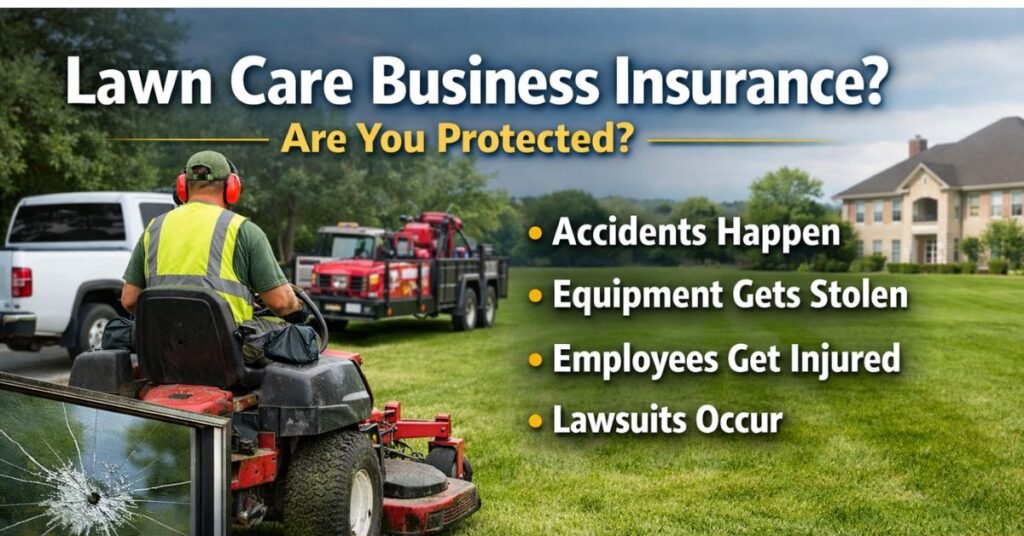
If you run a lawn care or landscaping business, here’s an uncomfortable question: what would happen if one accident wiped out everything you’ve built? A cracked sprinkler line that floods a basement. A rock kicked up by a mower that shatters a client’s window. An employee who slips on wet grass and gets seriously injured. These things don’t just happen to “big companies” or careless operators — they happen to hardworking, careful lawn pros every single day.
That’s where lawn care business insurance stops being a boring paperwork chore and becomes a survival tool.
Many lawn care owners start out focused on equipment, customers, routes, and cash flow. Insurance often feels optional, confusing, or like money disappearing into thin air. Until the day something goes wrong — and suddenly insurance is the only reason the business survives.
In this guide, you’ll learn exactly what lawn care business insurance is, why it matters, what types you actually need (and which ones you can skip), how much it costs, how to choose the right coverage, and how real lawn care businesses use insurance to protect themselves and win better clients. This isn’t theory. It’s practical, real-world advice written for people who mow, edge, trim, and build outdoor spaces for a living.
By the end, you’ll know how to insure your business the smart way — not the expensive or overcomplicated way.
What Is Lawn Care Business Insurance?
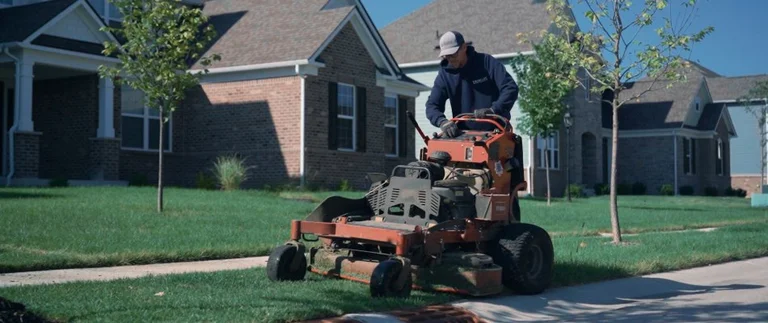
At its core, lawn care business insurance is a collection of insurance policies designed to protect lawn mowing, landscaping, and outdoor maintenance businesses from financial loss. Think of it as a safety net that catches you when things go wrong — because in this industry, sooner or later, something will.
A helpful analogy is to think of insurance like protective gear. You wouldn’t run a commercial mower without guards or steel-toe boots because you know accidents happen even when you’re careful. Insurance works the same way, but for lawsuits, injuries, theft, and property damage.
Unlike personal insurance (like your car or homeowners insurance), lawn care business insurance is specifically built around business risks, such as:
• Property damage at a client’s home
• Bodily injury to customers, neighbors, or passersby
• Employee injuries on the job
• Damage or theft of expensive equipment
• Auto accidents involving work trucks and trailers
• Claims that your work caused financial loss
Most lawn care businesses don’t need one single policy — they need a bundle of coverages, each protecting a different risk. These policies can be customized depending on whether you’re a solo operator, a growing crew with employees, or a full-service landscaping company handling large commercial contracts.
The biggest misconception is that insurance is only for “big companies.” In reality, small lawn care businesses are often more vulnerable, because one uninsured claim can shut them down permanently. Insurance isn’t about planning for failure — it’s about protecting success.
Why Lawn Care Business Insurance Matters More Than You Think
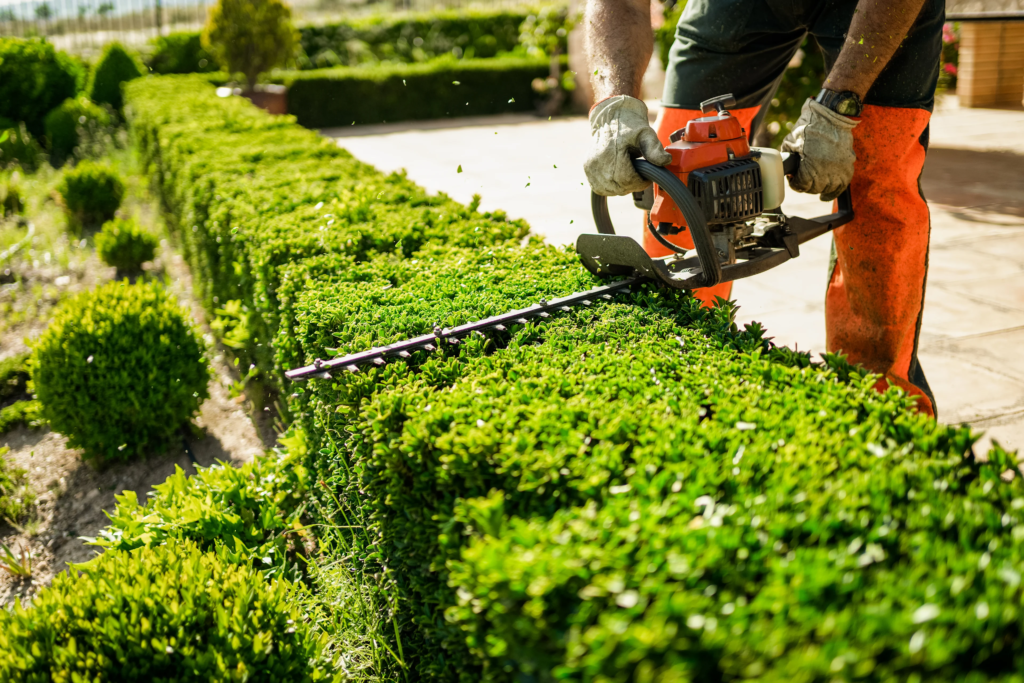
Lawn care looks simple from the outside. Cut grass, trim hedges, blow clippings. But behind the scenes, it’s one of the highest-risk small business categories. You’re working with sharp blades, heavy equipment, chemicals, vehicles, weather, and other people’s property — often all at once.
Here’s why insurance matters so much in this industry.
First, liability exposure is constant. A mower throwing debris can injure someone walking by. A misjudged turn can tear up irrigation lines. Even something as small as over-fertilizing a lawn can kill expensive landscaping and lead to a claim.
Second, clients expect it. Homeowners, HOAs, commercial properties, and government contracts increasingly require proof of insurance before hiring a lawn care company. Being insured isn’t just protection — it’s a sales tool.
Third, lawsuits don’t care how careful you are. You can do everything right and still get sued. Insurance covers legal defense costs, which alone can bankrupt an uninsured business.
Fourth, equipment is expensive and essential. Commercial mowers, trimmers, blowers, and trailers represent tens of thousands of dollars. Without insurance, theft or damage can shut down operations overnight.
Finally, peace of mind matters. When you’re insured properly, you make better decisions. You can take on bigger jobs, hire employees, and grow confidently without constantly worrying about worst-case scenarios.
In short, lawn care business insurance doesn’t just protect your business — it enables it.
Types of Lawn Care Business Insurance You Actually Need
Not all insurance policies are created equal, and not every lawn care business needs every type. The key is understanding what each policy does and how it fits your operation.
General Liability Insurance
General liability insurance is the foundation of lawn care business insurance. It covers third-party bodily injury and property damage caused by your business operations.
Examples include:
• A mower kicks up a rock and breaks a window
• A client trips over your equipment and gets injured
• You damage a fence, sprinkler system, or driveway
Without general liability coverage, you pay these costs out of pocket — including legal fees if you’re sued. Most clients expect this coverage, and many won’t hire you without proof.
Commercial Auto Insurance
If you use a vehicle for business — even a pickup truck — personal auto insurance usually isn’t enough. Commercial auto insurance covers vehicles used for work purposes.
It protects you if:
• You’re in an accident while driving to a job
• Your truck damages someone else’s property
• An employee causes an accident while driving a company vehicle
This coverage is especially important for lawn care businesses towing trailers or transporting heavy equipment.
Workers’ Compensation Insurance
If you have employees, workers’ comp is often legally required. It covers medical expenses and lost wages if an employee is injured on the job.
Lawn care work involves:
• Slips and falls
• Cuts from blades
• Heat exhaustion
• Chemical exposure
Workers’ comp protects both your employees and your business from costly lawsuits.
Equipment and Tools Insurance
Also known as inland marine insurance, this coverage protects your tools and equipment from theft, damage, or loss — even when they’re in transit or on a job site.
Given how often lawn equipment is stolen, this policy is one of the most underrated protections in the industry.
Professional Liability (Errors and Omissions)
If your advice or services cause financial loss, professional liability insurance can help. This is more common for landscaping design, irrigation planning, or specialized services.
For example:
• A landscaping plan damages drainage and causes flooding
• Incorrect chemical application kills plants
Not every lawn care business needs this, but many growing companies do.
Benefits and Real-World Use Cases of Lawn Care Business Insurance
Insurance isn’t just theoretical protection — it plays out in real situations every day. Understanding how it actually works in practice makes its value clear.
Imagine a solo lawn care operator who accidentally damages a $15,000 irrigation system while edging. Without insurance, that’s a devastating out-of-pocket expense. With general liability insurance, the claim is handled professionally, the client is compensated, and the business survives.
Now consider a growing lawn care company bidding on commercial properties. Many HOAs and businesses require proof of insurance with specific limits. Having proper coverage allows the company to compete for higher-value contracts and grow revenue.
Another common scenario involves employee injuries. A crew member slips while unloading equipment and fractures an ankle. Workers’ compensation covers medical bills and lost wages, preventing a lawsuit that could cripple the business.
Insurance also helps with credibility and trust. Clients are more comfortable hiring insured businesses, especially for recurring services. This directly impacts conversion rates and customer retention.
In short, lawn care business insurance is both a defensive shield and an offensive growth tool.
Step-by-Step Guide to Getting Lawn Care Business Insurance
Getting insured doesn’t have to be complicated or expensive if you follow a clear process.
Start by defining your business. Consider your services, number of employees, vehicles, and equipment value. Be honest — underreporting can lead to denied claims later.
Next, identify required coverages. At minimum, most lawn care businesses need general liability. Add commercial auto if you use vehicles, workers’ comp if you have employees, and equipment coverage if you own valuable tools.
Then, get multiple quotes. Prices vary widely between insurers. Look for providers experienced with lawn care and landscaping businesses — they understand the risks better.
Review policy limits and exclusions carefully. Cheaper policies often have lower limits or exclusions that matter. Make sure coverage matches your actual risks.
Finally, review annually. As your business grows, your insurance needs change. Update coverage when you add employees, vehicles, or services.
Tools, Comparisons, and Insurance Provider Recommendations
When choosing lawn care business insurance, you’ll encounter both online insurers and traditional agents. Each has pros and cons.
Online providers are fast, convenient, and often cheaper for small businesses. They’re ideal for solo operators and simple setups.
Traditional agents offer personalized advice and help with complex operations, multiple policies, or larger crews.
Free options don’t really exist in insurance, but some platforms offer free quotes and coverage comparisons. Paid policies vary widely in cost depending on coverage levels, location, and business size.
The best approach is to combine online research with professional advice and never choose solely based on price.
Common Lawn Care Insurance Mistakes (and How to Avoid Them)
One of the biggest mistakes is relying on personal insurance. Personal auto or homeowners policies often exclude business use.
Another common error is underinsuring to save money. Low limits may not cover real claims, leaving you exposed.
Some businesses skip workers’ comp by misclassifying employees as contractors, which can lead to massive penalties.
Others forget to insure equipment, assuming it’s covered under liability — it’s not.
Avoid these mistakes by reviewing policies carefully, asking questions, and updating coverage as your business changes.
Conclusion
Running a lawn care business means working hard, taking pride in your work, and building something that supports your life and family. Lawn care business insurance is what protects all of that when things don’t go as planned.
The right insurance doesn’t just help you sleep better — it helps you grow smarter, win better clients, and survive unexpected challenges. It’s not about fear; it’s about professionalism and preparation.
If you haven’t reviewed your insurance recently, now is the time. Get quotes, ask questions, and make sure your business is protected at every stage.
FAQs
What insurance do I need to start a lawn care business?
Most businesses need general liability insurance at a minimum.
How much does lawn care business insurance cost?
Costs vary, but many small businesses pay a few hundred dollars per year for basic coverage.
Do I need insurance if I’m a solo lawn care operator?
Yes. Solo operators are often the most vulnerable to lawsuits.
Is lawn mowing considered high risk for insurance?
Yes, due to equipment, vehicles, and property damage risks.
Can I get insurance without an LLC?
Yes. Sole proprietors can still get business insurance.

Michael Grant is a business writer with professional experience in small-business consulting and online entrepreneurship. Over the past decade, he has helped brands improve their digital strategy, customer engagement, and revenue planning. Michael simplifies business concepts and gives readers practical insights they can use immediately.