
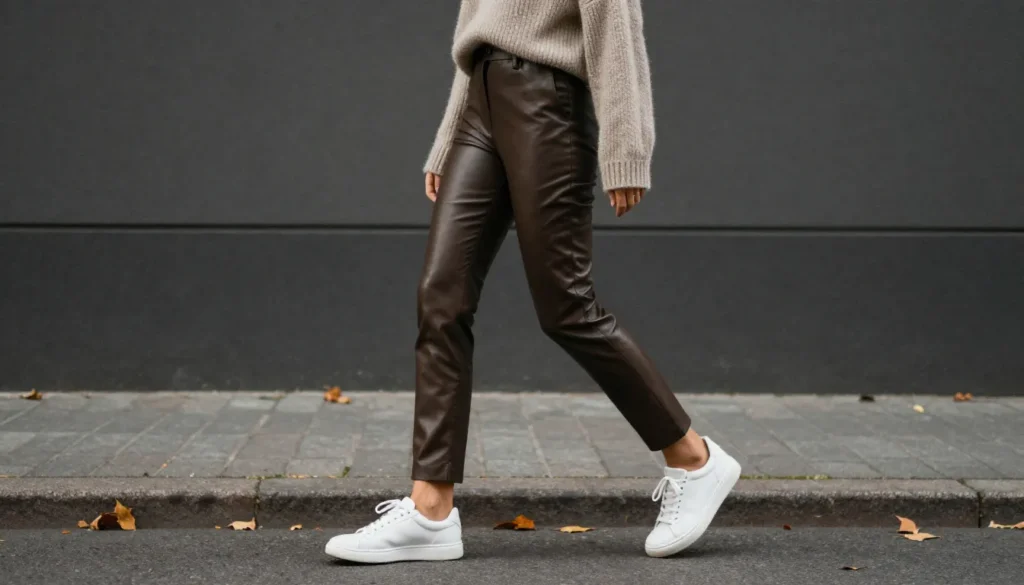
The first time I wore leather pants outside my comfort zone wasn’t at a party or a concert. It was on a random weekday when I had errands to run and meetings to attend. I almost changed at the last minute, worried they might feel too bold or out of place. But I didn’t. And by the end of the day, something had shifted. I felt comfortable, put together, and quietly confident. No one stared. No one questioned it. In fact, a colleague casually asked where I got them. That was the moment I realized leather pants aren’t about making a statement anymore they’re about owning one.
Leather pants have slowly transitioned from niche fashion to everyday wear. They’re no longer reserved for edgy aesthetics or special occasions. When styled thoughtfully, they can feel just as natural as jeans or tailored trousers. This article is designed to help you understand leather pants in a realistic, wearable way. We’ll explore why they work, how to style them for different lifestyles, what to look for when buying them, and how to avoid common missteps. The goal isn’t to convince you to follow a trend, but to help you decide if leather pants genuinely belong in your wardrobe.
How Leather Pants Evolved Into Everyday Fashion
Leather pants didn’t start as a mainstream item. Historically, they were associated with rebellion, performance, and subcultures that challenged conventional dress codes. Over time, designers began reimagining them with softer silhouettes, neutral tones, and wearable finishes. That evolution made them approachable.
Luxury fashion played a key role in this shift. Labels like Saint Laurent reframed leather pants as sleek and elegant, pairing them with classic tailoring rather than dramatic styling. As high fashion softened the image, mainstream brands followed. Retailers such as Zara and H&M introduced leather-look pants that felt accessible, affordable, and wearable for daily life.
The result is what we see today: leather pants as a neutral base rather than a statement costume.
Why Leather Pants Are Worth Considering
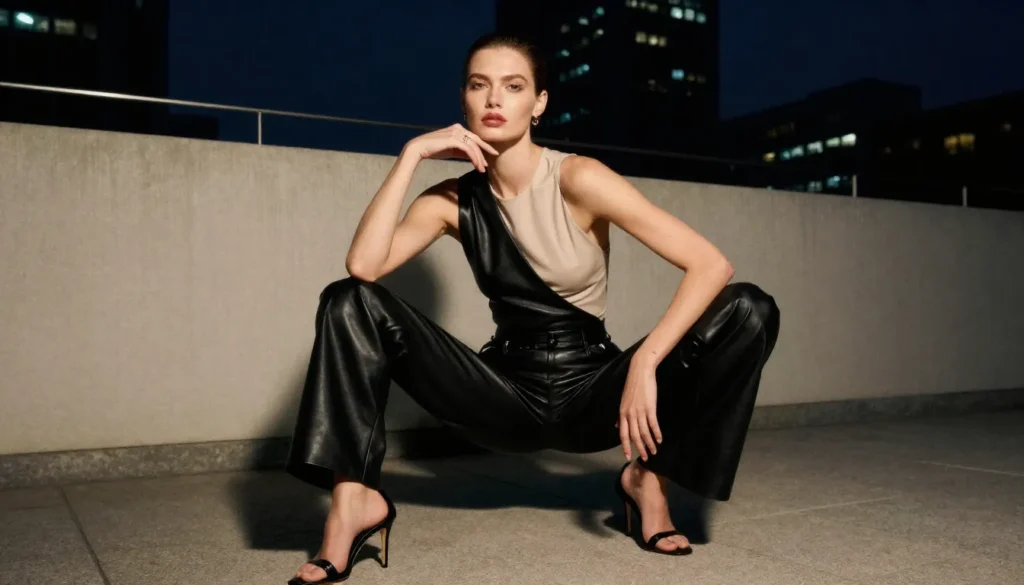
At first glance, leather pants might seem impractical, but in reality, they solve several wardrobe challenges. They instantly elevate simple outfits. A plain knit top or button-down shirt feels intentional when paired with leather pants. You don’t need layers of accessories or complicated styling.
Leather pants also hold their shape well. Unlike denim that can stretch out or trousers that crease easily, leather maintains structure throughout the day. This makes them ideal for long wear, travel, and busy schedules.
There’s also durability to consider. When properly cared for, leather pants both genuine and high-quality faux—last far longer than many fabric alternatives. That longevity often makes them more cost-effective in the long run.
Perhaps the most overlooked benefit is how leather pants affect posture and presence. They subtly encourage confidence. Not loud confidence, but a grounded sense of intention that comes from wearing something that feels deliberate.
Understanding Materials: Genuine Leather vs Faux Leather
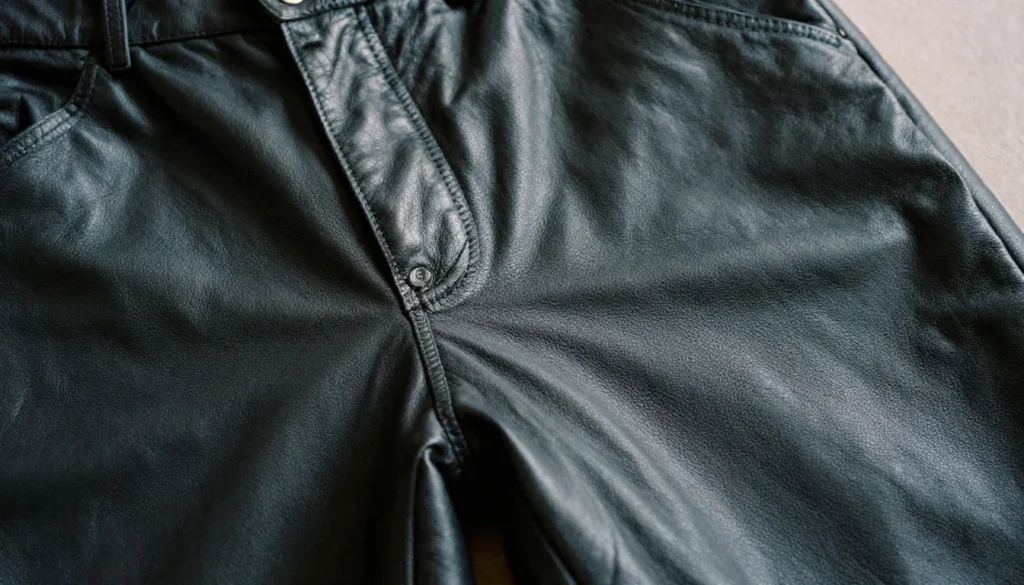
One of the most important decisions when choosing leather pants is the material. Genuine leather is typically made from lambskin, cowhide, or goatskin. Lambskin is soft and flexible, making it comfortable for extended wear. Cowhide offers more structure and durability but can feel heavier.
Faux leather, often referred to as vegan leather, has advanced significantly. Modern versions include stretch, soft backing, and breathable finishes. They’re generally easier to maintain and more affordable, making them an excellent entry point for first-time buyers.
From a sustainability perspective, both options come with considerations. Genuine leather lasts longer but involves animal products. Faux leather avoids that but is often synthetic. Many newer brands now offer recycled or plant-based alternatives, giving consumers more ethical choices.
Choosing the Right Fit and Cut
Fit is everything with leather pants. A good pair should feel comfortable the moment you put them on. Leather does mold slightly over time, but it shouldn’t feel restrictive initially.
Straight-leg leather pants are the most versatile. They balance structure and ease, working well with both casual and polished outfits. Wide-leg styles feel modern and relaxed, especially when paired with fitted tops. Slim or tapered cuts offer a classic silhouette but require careful sizing to avoid discomfort.
High-waisted designs provide support and create a flattering shape, especially when paired with tucked-in or cropped tops. Mid-rise options feel more casual and familiar, particularly for those transitioning from denim.
How to Style Leather Pants for Everyday Life
The key to styling leather pants is contrast. Because leather has a strong visual presence, pairing it with softer textures creates balance. Knitwear, cotton shirts, and relaxed layers prevent outfits from feeling heavy or overdone.
For casual days, leather pants work beautifully with simple sneakers and a soft sweater. This combination feels modern without effort. For work environments that allow creative or business-casual dressing, matte leather pants paired with a tailored blazer and neutral top can look polished and professional.
Evening looks don’t require drama. A clean blouse or structured top with minimal accessories lets the leather speak for itself. The pants remain the anchor while the rest of the outfit stays simple.
Leather Pants in Different Seasons
Leather pants are often associated with fall and winter, but they’re more adaptable than that. In colder months, they provide insulation and block wind effectively. Pairing them with boots and warm layers makes them practical and stylish.
In transitional seasons like spring and early fall, lighter leather or faux leather works well with breathable tops. Choosing matte finishes helps them feel seasonally appropriate.
Even in cooler summer evenings, leather pants can work when styled with lightweight fabrics and open silhouettes. It’s all about balance and temperature awareness.
Comparing Leather Pants to Jeans and Trousers
Jeans are familiar, comfortable, and casual. Leather pants offer a similar ease but with added polish. They don’t fade or wrinkle in the same way, and they often require less frequent washing.
Tailored trousers bring structure and professionalism, but they can feel formal or stiff. Leather pants sit between denim and trousers, offering structure with personality. They adapt easily to different environments without needing a full outfit change.
This middle-ground quality is what makes leather pants so valuable.
Tools and Care Essentials
Leather pants don’t require complex maintenance, but they do benefit from mindful care. For genuine leather, occasional conditioning keeps the material supple. Faux leather usually needs nothing more than gentle wiping and air drying.
Proper storage is important. Hanging leather pants helps maintain their shape and prevents creasing. Avoid folding them tightly for long periods.
Good care ensures leather pants age gracefully rather than deteriorate.
Common Mistakes That Undermine Leather Pants
One of the biggest mistakes is choosing the wrong size. Leather pants should fit comfortably without pinching or sagging. Another common error is overstyling. Leather already adds texture and interest, so pairing it with too many statement pieces can overwhelm the look.
Ignoring proportion is another issue. Balancing volume on top and bottom keeps outfits cohesive. Leather pants look best when the rest of the outfit supports them rather than competes.
Leather Pants and Personal Style Identity
Leather pants are surprisingly adaptable. Minimalists appreciate their clean lines and texture. Creative dressers enjoy their expressive potential. Even classic wardrobes can incorporate leather pants as a modern alternative to traditional trousers.
They don’t require a personality shift. They integrate into existing style frameworks, enhancing rather than redefining them.
Conclusion:
Leather pants are no longer about making a bold entrance. They’re about consistency, confidence, and versatility. When chosen thoughtfully, they become a reliable part of your wardrobe rather than a novelty item.
The real value of leather pants lies in how often you reach for them once they feel familiar. They simplify outfit decisions, elevate basics, and support a sense of intention in daily dressing. Whether you choose genuine leather or a well-made alternative, the key is fit, comfort, and balance.
If you’ve ever hesitated, consider this your invitation to try. Start with a classic cut, style them simply, and let them earn their place naturally.
Frequently Asked Questions (FAQs)
Are leather pants suitable for everyday wear?
Yes. When styled simply and chosen in a comfortable fit, leather pants work just as well as jeans for daily activities.
Do leather pants stretch over time?
Genuine leather molds slightly to the body, while faux leather with stretch maintains its shape. They should feel comfortable from the start.
Can leather pants be worn to work?
In many modern workplaces, especially creative or business-casual settings, leather pants are appropriate when paired with polished pieces.
Are faux leather pants durable?
High-quality faux leather can be very durable, especially when cared for properly. They’re a great option for frequent wear.
How do I know if leather pants suit my body type?
Choosing the right cut matters more than body type. Straight-leg and high-waisted styles tend to be universally flattering.
Do leather pants go out of style?
While trends shift, leather pants remain relevant because leather itself is timeless. Cuts may evolve, but the core appeal stays.

Sofia Bennett is a fashion writer and style observer known for her clean sense of aesthetics and trend analysis. She has covered fashion shows, reviewed designer collections, and interviewed independent creators. Sofia specializes in connecting fashion with real-life lifestyle choices, helping readers understand what looks good — and why.