
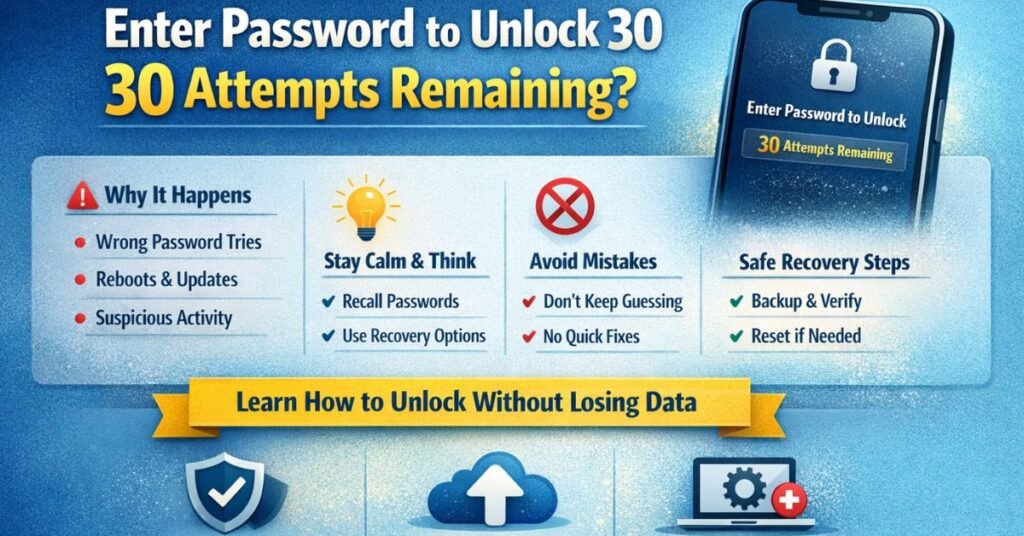
Introduction
If you’ve ever picked up your phone or device and been greeted by the message “enter password to unlock 30 30 attempts remaining”, you already know how unsettling it feels. Your heart skips a beat. Questions race through your mind. Did I forget my password? Did someone else try to unlock my phone? What happens after the attempts run out?
This message isn’t just another system notification. It’s a warning — a countdown that tells you your device is inching closer to a temporary or permanent lockout. For many people, especially those who rely on their phones for work, banking, communication, or two-factor authentication, this moment feels like standing on the edge of a cliff.
The reason this topic matters so much is simple: one wrong move can cost you access to your data. Photos, contacts, notes, business apps, and personal memories can all become unreachable if you panic or guess incorrectly. On the other hand, understanding what this message means — and knowing exactly what to do — can save you hours of stress and potentially prevent data loss.
In this guide, we’ll break down the meaning of the enter password to unlock 30 30 attempts remaining message in plain, human language. You’ll learn why it appears, how the attempt counter works, what happens if you run out of tries, and how to unlock your device safely. We’ll also cover real-world use cases, step-by-step recovery methods, common mistakes people make in panic mode, and expert-recommended tools. By the end, you’ll feel calm, informed, and fully in control.
Understanding “enter password to unlock 30 30 attempts remaining”
At its core, “enter password to unlock 30 30 attempts remaining” is a security safeguard. Think of it like the lock on your front door that allows only a limited number of wrong keys before triggering an alarm. Your device is essentially saying, “You still have 30 chances to prove you’re the rightful owner.”
Most modern smartphones, tablets, and encrypted devices limit how many incorrect password attempts are allowed. This prevents brute-force attacks, where someone tries thousands of password combinations until one works. The number “30” usually refers to the remaining attempts before the system escalates security measures.
Here’s what’s important to understand:
- The message doesn’t mean you’ve already failed 30 times
- It means you have up to 30 attempts left
- Each incorrect entry reduces that number
- Security responses become stricter as attempts decrease
In many systems, once attempts drop below a certain threshold, delays are added between tries. For example, after several failed attempts, the device might force you to wait 30 seconds, then a minute, then several minutes. If attempts hit zero, the device may temporarily lock itself or require a full account verification or reset.
This message commonly appears after:
- Multiple wrong password entries
- A system update or reboot
- Long periods of inactivity
- Suspicious unlock behavior
Understanding this message is crucial because guessing randomly is the fastest way to lose access. The smartest move is always to pause, assess, and use the right recovery path instead of burning through attempts.
Why this security message exists in the first place
To appreciate the enter password to unlock 30 30 attempts remaining warning, it helps to understand the threat it’s designed to stop. Your device isn’t trying to frustrate you — it’s trying to protect you.
Imagine if someone stole your phone at a café. Without an attempt limit, they could sit there all day entering passwords until something worked. With attempt limits, the device becomes practically useless to thieves.
Here’s what this protection prevents:
- Automated hacking scripts
- Shoulder-surfing followed by guess attempts
- Pattern or PIN brute-force attacks
- Data extraction through repeated trials
Modern operating systems encrypt your data at rest. That means your photos, files, and messages are mathematically locked using your password as a key. Too many wrong attempts signal that the key-holder might not be you.
From a security design standpoint, 30 attempts is actually generous. Many systems lock after 5–15 attempts. The higher number often appears after reboots or system-level unlocks, where encryption keys must be verified again.
So while the message feels alarming, it’s actually a sign that your device is doing its job — protecting your digital life from unauthorized access.
Real-world scenarios where this message appears
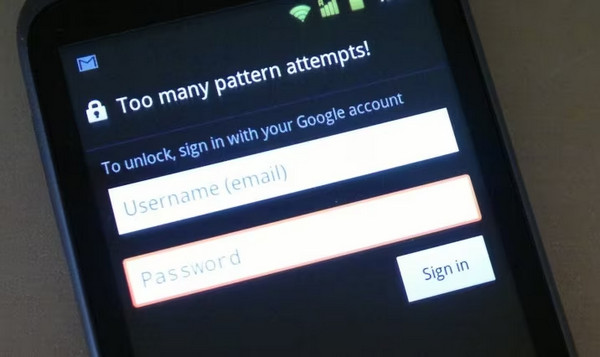
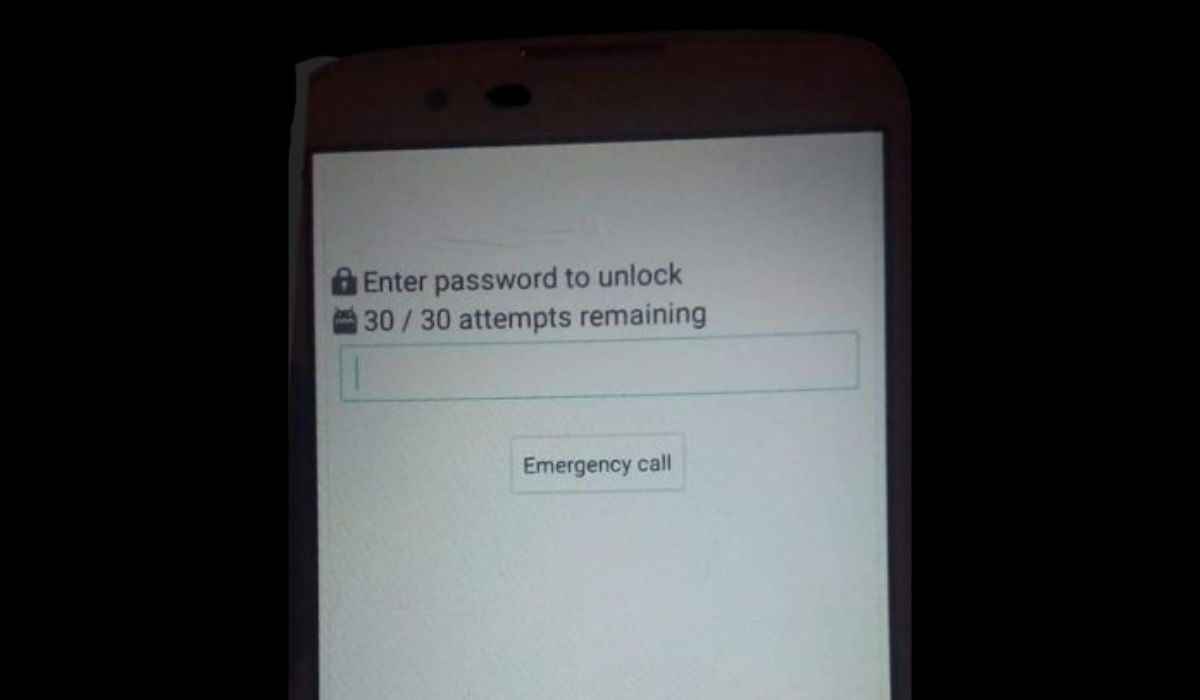
The enter password to unlock 30 30 attempts remaining message doesn’t appear randomly. It almost always follows a specific scenario. Recognizing which one applies to you can help determine the safest next step.
One common situation is after a restart or system update. When your device reboots, biometric unlock methods like fingerprint or face recognition are disabled until the password is entered. If you try several incorrect passwords in a hurry, the warning appears.
Another frequent case is partial memory recall. You think you know the password, but muscle memory fails you. Each “almost right” attempt still counts as wrong.
It also happens when:
- A child or friend tries to unlock your phone
- A pocket or bag presses random inputs
- A new password was recently changed
- You alternate between similar passwords
In work environments, this message sometimes appears on encrypted work phones after IT-enforced security updates. Users assume their old password still works — and burn through attempts quickly.
The key takeaway is this: the message doesn’t judge intent. Whether it’s you, a child, or accidental input, the system only sees failed authentication attempts.
Benefits of understanding and responding correctly
Knowing how to handle the enter password to unlock 30 30 attempts remaining message offers more benefits than you might expect. This isn’t just about unlocking a screen — it’s about preserving control.
First, it protects your data. By stopping yourself from panic-guessing, you dramatically reduce the risk of a forced reset that could wipe your device.
Second, it saves time. People who rush often end up locked out for hours or days, dealing with recovery processes that could have been avoided.
Third, it gives you confidence. When you understand what’s happening, the fear disappears. You make deliberate decisions instead of reactive ones.
Finally, it helps in professional settings. If your phone is tied to work email, authentication apps, or payment systems, a lockout can disrupt your entire day.
In short, knowledge turns a scary warning into a manageable situation.
Step-by-step guide: what to do when you see this message

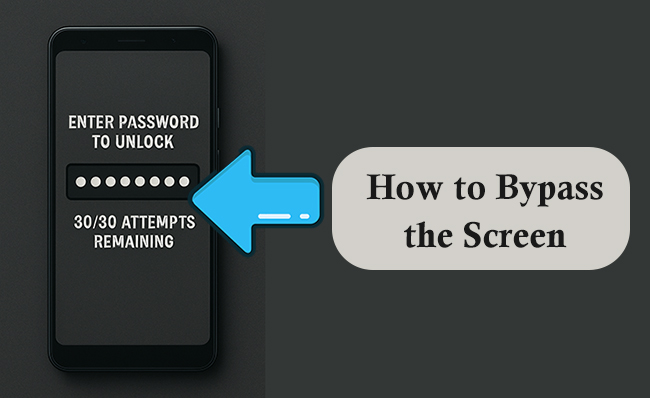
When the enter password to unlock 30 30 attempts remaining message appears, follow these steps carefully. This structured approach minimizes risk and maximizes your chances of successful access.
First, stop entering passwords immediately. This is the hardest step emotionally, but the most important. Every guess brings you closer to lockout.
Second, give yourself time. Walk away for a few minutes. Stress interferes with memory, and stepping back often helps you recall the correct password.
Third, think contextually. Ask yourself:
- When did I last unlock this device?
- Did I recently change my password?
- Do I have similar passwords for other devices?
Fourth, eliminate guesswork. Write down possible passwords without entering them. Compare lengths, patterns, capitalization, and symbols.
Fifth, use official recovery options if available. Depending on the device, this may involve:
- Account verification
- Cloud-based unlock features
- Secure backup restoration
Finally, if you’re confident in the correct password, enter it slowly and carefully. One correct entry resets the attempt counter instantly.
This process may feel slow, but it’s infinitely better than rushing into a forced lock.
Tools, options, and recovery paths to consider
When dealing with enter password to unlock 30 30 attempts remaining, your best tools are official, manufacturer-approved solutions. Third-party “unlock” software often causes more harm than good.
Built-in account recovery systems are usually the safest route. These verify ownership through:
- Account credentials
- Backup email addresses
- Secondary devices
Cloud backups can also be lifesavers. If the worst happens and a reset is required, a recent backup can restore most of your data.
Here’s how options generally compare:
Free built-in recovery options
Pros: Safe, official, supported
Cons: May require waiting or account access
Paid data recovery services
Pros: Professional assistance
Cons: Expensive, no guarantees
Unofficial unlock tools
Pros: Advertised as fast
Cons: High risk, possible data loss, security concerns
The expert rule is simple: never trust tools that promise instant unlocks without authentication. If it sounds too good to be true, it probably is.
Common mistakes people make — and how to fix them
Most lockouts happen not because the password is forgotten, but because of panic-driven decisions.
One major mistake is rapid-fire guessing. Even if you’re “close,” every wrong attempt counts equally.
Another common error is ignoring on-screen delays. When the device enforces waiting periods, trying to bypass them only worsens the situation.
People also make the mistake of rebooting repeatedly, thinking it will reset the counter. In many systems, it does the opposite.
The fix for all these mistakes is awareness. Slow down. Respect the warning. Use structured recovery instead of trial-and-error.
Conclusion
The message “enter password to unlock 30 30 attempts remaining” may look intimidating, but it’s not a dead end. It’s a protective checkpoint designed to keep your data safe. When handled calmly and correctly, it’s usually just a temporary obstacle.
By understanding what the message means, why it appears, and how attempt limits work, you remove fear from the equation. Instead of guessing, you plan. Instead of panicking, you protect your access.
If you take away one lesson from this guide, let it be this: pause before you type. Those remaining attempts are valuable. Use them wisely.
FAQs
What does “enter password to unlock 30 30 attempts remaining” mean?
It means your device has detected multiple incorrect password entries and is warning you that only 30 attempts remain before stricter security measures apply.
Will my device erase data after 30 attempts?
Not always. Some devices lock temporarily, others require account verification, and some may wipe data depending on settings.
Should I keep guessing if I’m unsure?
No. Guessing increases the risk of lockout. Stop and use recovery options instead.
Why did this message appear after restarting my phone?
After restarts, biometric unlocks are disabled, and the system requires the full password again.
Can a child trigger this message by playing with my phone?
Yes. Any incorrect attempts count, regardless of who enters them.

Michael Grant is a business writer with professional experience in small-business consulting and online entrepreneurship. Over the past decade, he has helped brands improve their digital strategy, customer engagement, and revenue planning. Michael simplifies business concepts and gives readers practical insights they can use immediately.