

Introduction
If someone Googles your name or your company today, what do they find? For many entrepreneurs and executives, that single search result can quietly decide whether a deal moves forward or dies on the spot. A businessman website is no longer a “nice-to-have” digital brochure — it’s your reputation, sales pitch, and credibility rolled into one place.
I’ve worked with founders who had years of experience, strong networks, and impressive results, yet lost opportunities simply because their online presence didn’t reflect their real-world authority. On the flip side, I’ve seen relatively unknown business owners land partnerships, media mentions, and high-ticket clients because their website told the right story at the right time.
In this guide, we’re going deep. You’ll learn what a businessman website really is, why it matters more than ever, how to build one step by step, what tools actually work, and which mistakes silently kill conversions. Whether you’re a solo entrepreneur, consultant, startup founder, or seasoned executive, this article will help you build a website that works as hard as you do.
What Is a Businessman Website? (Explained Simply)
At its core, a businessman website is a professional online hub that represents you as a business leader. It’s not just about design — it’s about positioning. Think of it like your digital office: when people walk in, they should instantly understand who you are, what you do, and why they should trust you.
Unlike a generic company website, a businessman website often blends personal branding with business goals. It may include your story, values, achievements, services, and thought leadership, all presented in a way that feels credible and human.
A helpful analogy:
A company website is like a storefront.
A businessman website is like a private meeting room where decisions are made.
Typical elements include:
- A clear value proposition on the homepage
- A strong personal or leadership bio
- Proof of expertise (case studies, results, testimonials)
- Services or offerings explained in plain language
- Easy ways to contact or book you
The best businessman websites don’t try to impress everyone. They speak directly to the right audience — investors, clients, partners, or media — and guide them toward a specific action.
Why a Businessman Website Matters More Than Ever
Today, trust is built online long before a conversation ever happens. People research first, then reach out. If your website doesn’t exist — or worse, looks outdated — you’re already at a disadvantage.
A well-built businessman website helps you:
- Control your narrative instead of leaving it to LinkedIn snippets or third-party profiles
- Build instant credibility with decision-makers
- Stand out in crowded markets where everyone claims to be “the best”
- Convert cold traffic into warm leads
- Support your offline reputation with online proof
Real-world example:
A consultant I worked with relied solely on referrals. Once we launched a focused businessman website showcasing his process and results, referral leads increased — but more importantly, leads arrived pre-sold. They already trusted him before the first call.
In a digital-first world, your website is often your first impression. And as we all know, first impressions are hard to undo.
Benefits and Use Cases of a Businessman Website
A businessman website isn’t just for “big CEOs.” It serves different purposes depending on where you are in your journey.
Key benefits
- Authority and trust
A polished site signals seriousness, experience, and professionalism. - Lead generation
Your website can quietly work 24/7, capturing inquiries while you focus on running the business. - Personal brand growth
Media outlets, podcast hosts, and partners often check your site before contacting you. - Higher-quality clients
Clear messaging filters out low-fit prospects and attracts the right ones.
Common use cases
- Entrepreneurs and startup founders presenting their vision to investors
- Consultants and coaches selling expertise and services
- Agency owners positioning themselves as industry leaders
- Executives building thought leadership beyond their company
- Business owners separating personal credibility from a single brand
In every case, the website becomes a bridge between who you are and what your audience needs.
Step-by-Step Guide to Building a High-Impact Businessman Website


Step 1: Define Your Goal Before Anything Else
Before choosing colors or templates, ask one simple question:
What should this website do for me?
Possible goals:
- Get booked for consultations
- Attract investors or partners
- Build authority through content
- Showcase past work and results
One primary goal is better than five vague ones. Everything else — design, content, layout — flows from this decision.
Step 2: Craft a Clear Personal Value Proposition
Your homepage should answer three things within seconds:
- Who are you?
- What do you help with?
- Why should someone trust you?
Avoid buzzwords. Speak like a human. Instead of “innovative solutions for scalable growth,” say what you actually do and who you help.
Example:
“I help mid-sized businesses increase revenue through practical digital strategy, without bloated budgets or guesswork.”
Clarity beats cleverness every time.
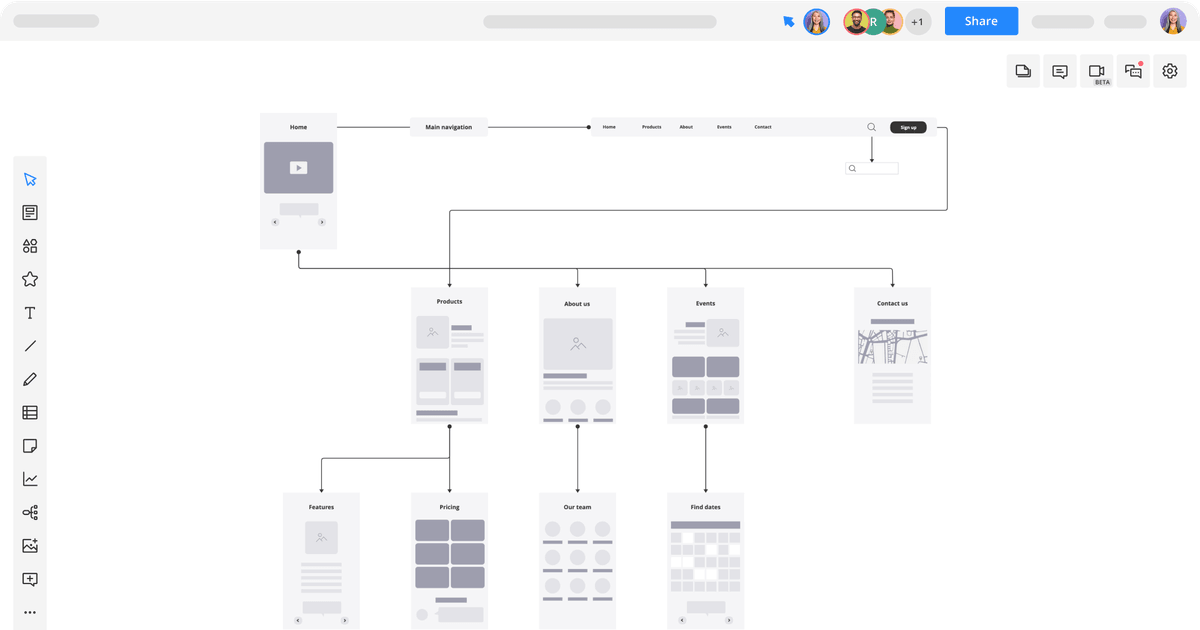
Step 3: Structure the Website for Humans, Not Just Search Engines
A strong businessman website usually includes:
- Homepage: Clear positioning and next step
- About page: Your story, experience, values
- Services or offerings: How you help, outcomes, process
- Proof: Testimonials, case studies, logos, results
- Contact: Simple, visible, friction-free
Each page should have one job and guide visitors naturally toward action.
Step 4: Write Content That Sounds Like You
This is where most people struggle. The goal isn’t perfection — it’s authenticity with structure.
Tips:
- Write as if explaining your work to a smart friend
- Use short paragraphs and clear examples
- Replace hype with specifics
- Show confidence without exaggeration
Remember, people don’t buy services. They buy confidence, clarity, and outcomes.
Step 5: Optimize for SEO Without Ruining Readability
Your businessman website should be discoverable, but never robotic.
Best practices:
- Use the primary keyword naturally (especially early on)
- Add related phrases where they fit logically
- Write helpful, in-depth sections instead of thin pages
- Optimize titles, meta descriptions, and URLs
Search engines reward clarity and usefulness more than keyword tricks.
Tools, Platforms, and Recommendations (Free vs Paid)


4
Website platforms
WordPress
Highly flexible, SEO-friendly, and scalable. Best for long-term growth, but requires some learning or professional setup.
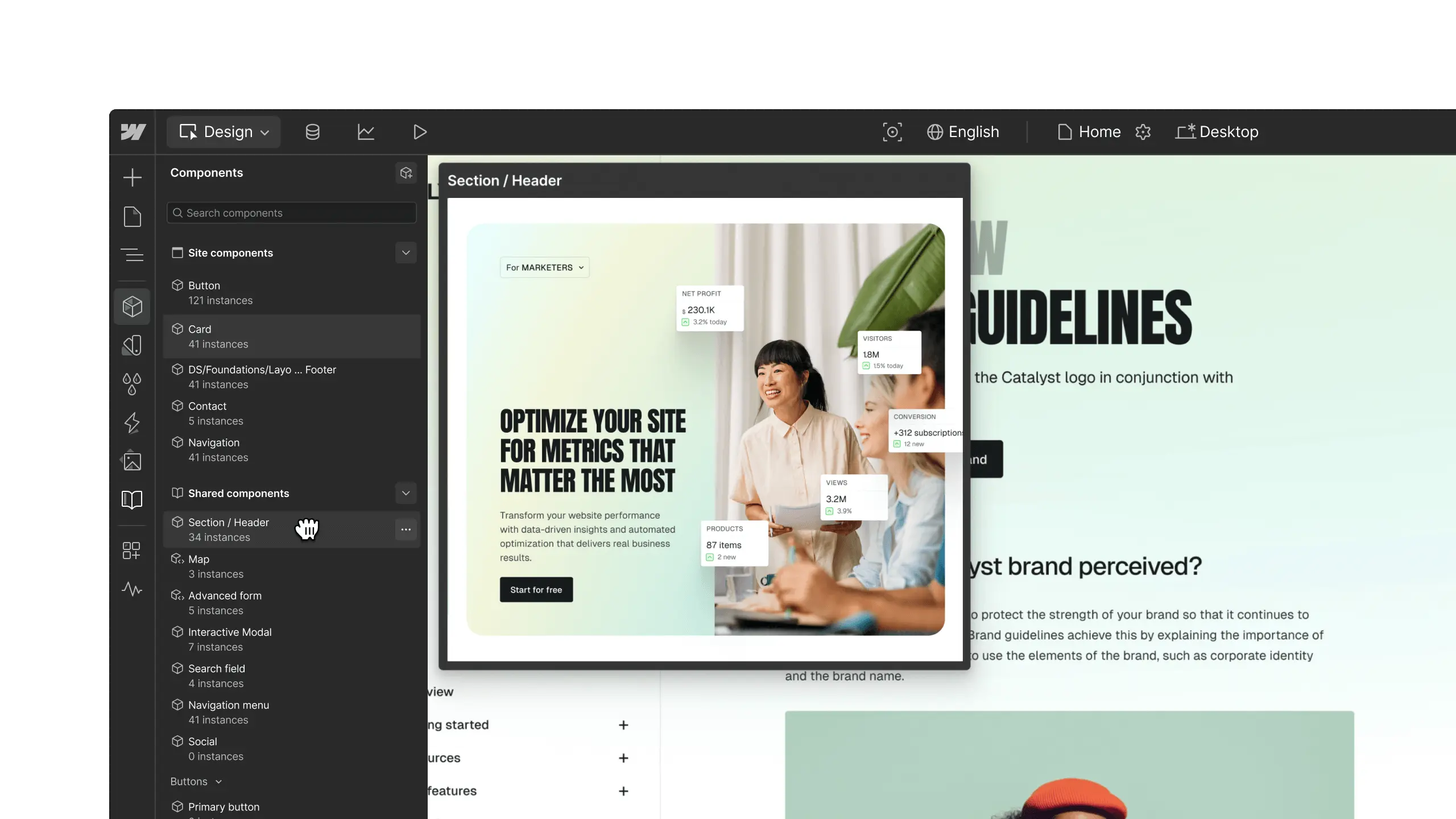
Webflow
Excellent design control and clean code. Ideal if aesthetics and performance matter, but content editing can feel technical.
Wix
Beginner-friendly and fast to launch. Good for simple sites, less ideal for advanced SEO.
Squarespace
Great templates and ease of use. Limited flexibility but solid for clean personal branding.
Design and content tools
- Canva (graphics and visuals)
- Google Docs (content planning)
- Grammarly (clarity, not voice)
- Ahrefs or SEMrush (SEO insights)
- Google Analytics and Search Console (performance tracking)
Free vs paid: honest advice
Free tools are fine to start. Paid tools save time and reduce mistakes. If your website supports your income, treat it like an investment, not an expense.
Common Mistakes Businessmen Make (and How to Fix Them)
Mistake 1: Making It All About Themselves
Visitors care less about your journey and more about how you can help them. Balance your story with their needs.
Fix:
Frame your experience around outcomes and lessons that benefit the reader.
Mistake 2: Overloading Pages With Text
Long doesn’t mean effective. Walls of text kill engagement.
Fix:
Break content into short paragraphs, bullets, and clear sections.
Mistake 3: Weak or Hidden Calls to Action
If visitors don’t know what to do next, they’ll leave.
Fix:
Use clear CTAs like “Book a Call,” “Get in Touch,” or “Download the Guide.”
Mistake 4: Ignoring Mobile Experience
Most visitors will view your site on mobile.
Fix:
Test every page on your phone. If it’s hard to read or navigate, redesign it.
Mistake 5: Launching and Forgetting
A stale website slowly loses trust and rankings.
Fix:
Update content, testimonials, and insights regularly — even quarterly helps.
Conclusion: Your Website Is a Silent Business Partner
A well-crafted businessman website doesn’t shout. It reassures. It builds trust quietly, answers objections before they’re spoken, and positions you as someone worth listening to.
If there’s one takeaway, it’s this: your website should reflect the real value you bring to the table. Not the inflated version. Not the outdated one. The real, confident, experienced professional you already are.
Start simple. Be clear. Focus on helping your audience. Then let your website do what it does best — work for you, even when you’re not.
FAQs
What should a businessman website include?
A clear homepage, personal bio, services or offerings, proof of expertise, and easy contact options.
Is a businessman website different from a company website?
Yes. It focuses more on personal authority and leadership rather than just products or services.
How much does a businessman website cost?
It can range from a few hundred dollars using DIY tools to several thousand for custom design and strategy.
Do I need SEO for a personal business website?
Absolutely. SEO helps the right people find you organically over time.
Can I build a businessman website myself?
Yes, with tools like WordPress or Squarespace. For best results, professional guidance helps.

Michael Grant is a business writer with professional experience in small-business consulting and online entrepreneurship. Over the past decade, he has helped brands improve their digital strategy, customer engagement, and revenue planning. Michael simplifies business concepts and gives readers practical insights they can use immediately.