

If you’ve ever sat in a meeting where every department complained about different problems—slow operations, data scattered everywhere, rising costs, security worries—but no one could agree on a single fix, you already understand why global solutions technology has become such a critical conversation.
Right now, organizations are under pressure from every angle. Customers expect faster service. Teams work across time zones. Data volumes are exploding. Budgets are tight, but expectations are higher than ever. The old approach—buying isolated tools to solve isolated problems—simply doesn’t work anymore.
Global solutions technology matters because it changes the game. Instead of patching holes one by one, it focuses on integrated, scalable, and globally aligned technology systems that solve problems holistically. It’s the difference between fixing a leaky pipe every week and redesigning the entire plumbing system so leaks stop happening.
This article is for:
- Business leaders trying to modernize operations without chaos
- IT and digital transformation teams tired of fragmented tools
- Founders and decision-makers who need technology to scale globally, not just locally
By the end, you’ll understand what global solutions technology really is, how it’s applied in the real world, and how to use it strategically—not blindly—to achieve measurable results.
Understanding Global Solutions Technology (From Beginner to Expert)
At its core, global solutions technology refers to a unified approach to designing, deploying, and managing technology systems that work across regions, teams, and functions. Instead of treating IT, operations, data, and customer experience as separate silos, this approach connects them into a single, coherent ecosystem.
Think of it like an international airport. You don’t design terminals, runways, security, and baggage handling independently. They’re planned together because each part affects the others. Global solutions technology works the same way for digital infrastructure.
For beginners, it helps to start simple. Imagine a company operating in three countries using:
- One CRM in Europe
- A different accounting system in Asia
- Spreadsheets for reporting in North America
Nothing talks to anything else. Reports are delayed. Errors creep in. Decisions are based on partial data. Global solutions technology replaces this fragmentation with standardized platforms, shared data models, and centralized governance, while still allowing local flexibility.
At a more advanced level, it includes:
- Cloud-native infrastructure designed for global scale
- Integrated data pipelines and analytics
- Automation and AI embedded into workflows
- Security and compliance frameworks that adapt by region
The key shift is mindset. It’s not about buying more software. It’s about designing technology as a coordinated system, built to support global growth and long-term resilience.
Benefits and Real-World Use Cases of Global Solutions Technology
The real power of global solutions technology becomes obvious when you compare life before and after implementation.
Before, teams waste time reconciling data. Leaders argue over whose numbers are correct. Customers experience inconsistent service depending on location. Scaling into new markets feels risky and expensive.
After implementation, something changes. Data flows smoothly. Processes become repeatable. Expansion feels controlled rather than chaotic.
Industries benefiting the most include manufacturing, logistics, healthcare, finance, e-commerce, and multinational services. For example, a global retailer can unify inventory, pricing, and customer data across regions, reducing stockouts while improving personalization. A healthcare network can securely share patient data across borders while meeting regulatory requirements.
The tangible outcomes are not abstract:
- Faster decision-making based on real-time global data
- Reduced operational costs through automation and standardization
- Stronger security posture with centralized oversight
- Better customer experience through consistent systems
Global solutions technology doesn’t just make organizations bigger. It makes them smarter.
A Step-by-Step Practical Guide to Implementing Global Solutions Technology
Implementation is where many initiatives fail—not because the idea is wrong, but because execution is rushed or poorly aligned.
Step one is strategic assessment. This means mapping current systems, data flows, and pain points honestly. Not what the org chart says, but what actually happens day to day. Where do delays occur? Where is data duplicated or unreliable?
Next comes architecture design. This is where you decide which systems should be centralized, which should remain local, and how they’ll integrate. The best designs balance global consistency with regional flexibility.
Then you move into platform selection and integration. Tools should support open APIs, global compliance needs, and long-term scalability. Short-term convenience is often the enemy here.
After that, focus on change management. Training, documentation, and internal communication matter just as much as the technology itself. People don’t resist technology—they resist disruption without support.
Finally, establish continuous optimization. Global solutions technology is not a one-time project. It’s a living system that evolves with the business.
Tools, Comparisons, and Expert Recommendations
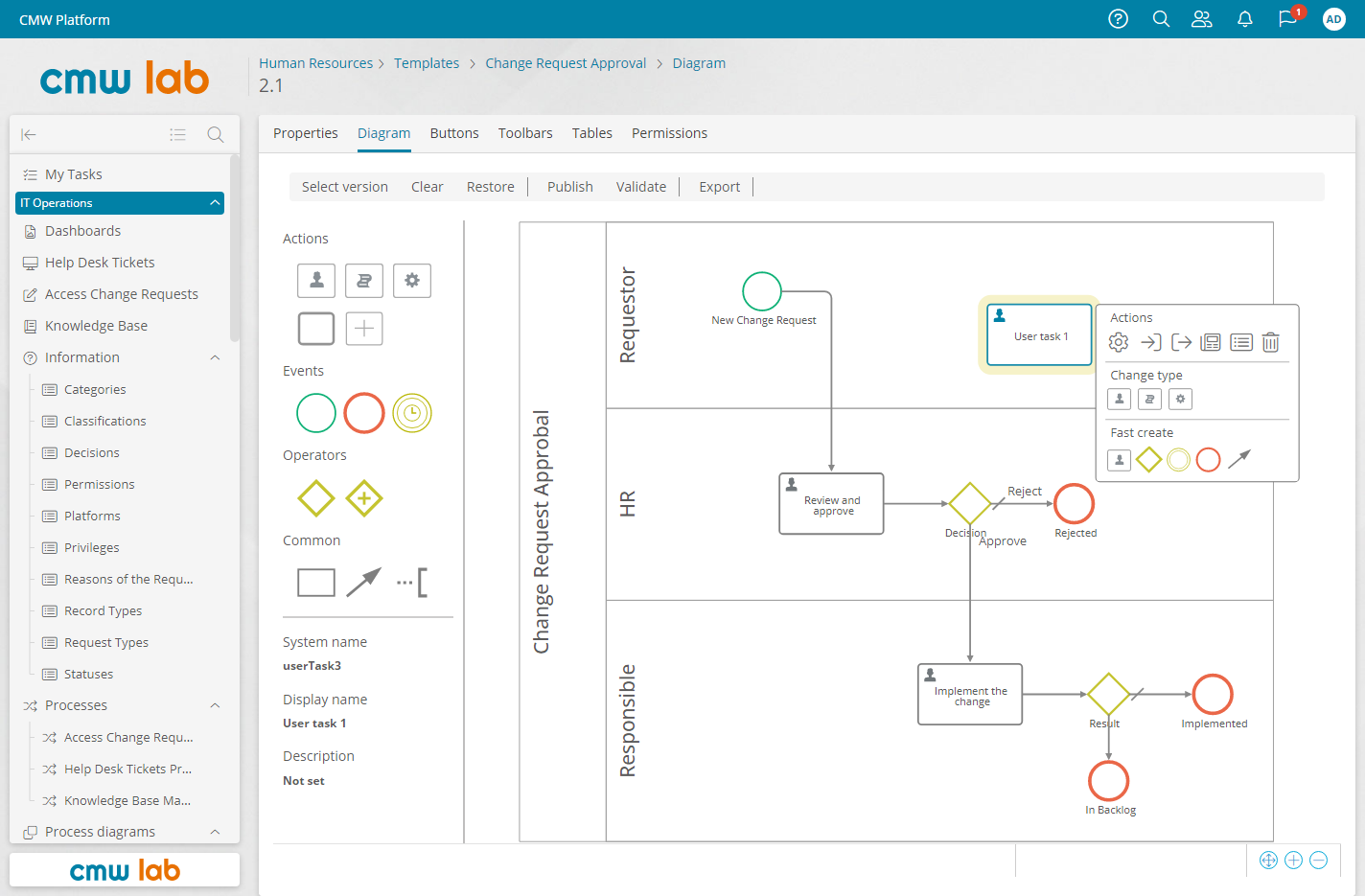

Choosing tools for global solutions technology requires restraint as much as ambition. More features do not equal better outcomes.
Free or lightweight tools work well for early-stage organizations testing integration concepts. They offer speed and low cost but often struggle with governance, security, and scale.
Paid enterprise platforms offer robustness, compliance support, and global availability zones. They shine in mature organizations but require disciplined implementation to avoid bloat.
In practice, the most successful stacks combine:
- A scalable cloud foundation
- Integration and automation layers
- Centralized data and analytics
- Strong identity and security controls
Expert recommendation: prioritize interoperability over brand loyalty. The best technology ecosystems are flexible, not locked into a single vendor’s worldview.
Common Mistakes and How to Fix Them
One of the most common mistakes is trying to standardize everything at once. This usually leads to delays, resistance, and cost overruns. A phased approach works better.
Another frequent issue is underestimating data complexity. Migrating systems without cleaning and harmonizing data creates long-term problems that are expensive to fix later.
Finally, many organizations focus too much on tools and not enough on processes. Technology amplifies existing workflows—good or bad. Fix the process first.
The fix is discipline. Clear governance, realistic timelines, and leadership alignment make all the difference.
Conclusion: Turning Global Solutions Technology Into a Competitive Advantage
Global solutions technology is not about chasing trends or copying competitors. It’s about building a technology foundation that supports how your organization actually operates—today and tomorrow.
When done right, it reduces friction, increases confidence in decision-making, and creates room for innovation. More importantly, it turns technology from a cost center into a strategic asset.
If you’re serious about scaling, resilience, and long-term value, this approach is no longer optional. It’s essential.
FAQs
What is global solutions technology in simple terms?
It’s an integrated approach to building technology systems that work seamlessly across regions, teams, and functions.
Is global solutions technology only for large enterprises?
No. Mid-sized and even growing businesses benefit by avoiding fragmentation early.
How long does implementation usually take?
Initial phases can take months, but optimization is ongoing.
Does it require cloud infrastructure?
Most modern implementations rely on cloud platforms, but hybrid models exist.
What’s the biggest risk in adopting it?
Poor planning and lack of change management, not the technology itself.

Adrian Cole is a technology researcher and AI content specialist with more than seven years of experience studying automation, machine learning models, and digital innovation. He has worked with multiple tech startups as a consultant, helping them adopt smarter tools and build data-driven systems. Adrian writes simple, clear, and practical explanations of complex tech topics so readers can easily understand the future of AI.