
Introduction
Have you ever reached the end of a long day, stared at the ceiling, and thought, “Something has to change… but I don’t know where to start”?
If yes, you’re not alone. Most people don’t wake up one morning magically knowing how to change your life. Change usually begins quietly — with discomfort, frustration, or a nagging sense that your current path no longer fits who you’re becoming.
The problem isn’t lack of motivation. The real issue is confusion. We’re flooded with advice: wake up at 5 a.m., quit your job, move cities, meditate for an hour, hustle harder, slow down more. It’s overwhelming, contradictory, and often disconnected from real life.
This guide is different.
In this long-form, practical article, you’ll learn how to change your life in a realistic, step-by-step way — without hype, guilt, or impossible standards. We’ll break down what “changing your life” actually means, who it’s for, how to do it sustainably, which tools genuinely help, and the mistakes that quietly sabotage progress. This isn’t about becoming someone else. It’s about finally building a life that works for you.
Understanding What It Really Means to Change Your Life
When people talk about changing their life, they often imagine dramatic transformations: new careers, new bodies, new relationships, new cities. While those things can happen, real life change usually works from the inside out, not the other way around.
At its core, changing your life means changing your patterns. Your daily decisions, reactions, habits, and beliefs quietly shape your outcomes. Think of your life like a direction, not a destination. Small adjustments in direction, repeated consistently, eventually lead somewhere entirely new.
A helpful analogy is steering a ship. You don’t spin the wheel once and instantly arrive somewhere else. You turn it slightly, keep it steady, and over time the course changes completely. That’s how lasting personal change works.
Many people get stuck because they wait for clarity or confidence before acting. In reality, clarity comes after action. Confidence grows from keeping small promises to yourself, not from waiting until you feel ready.
Changing your life doesn’t require perfection. It requires honesty. Honesty about what isn’t working, what you’re avoiding, and what you’re willing to change — even if it feels uncomfortable at first.
Why Learning How to Change Your Life Matters More Than Ever
Modern life makes it surprisingly easy to stay stuck. Comfort, distractions, and routines can keep you busy while quietly draining your energy and purpose. Months turn into years, and suddenly you’re living on autopilot.
Learning how to change your life matters because it gives you agency. It reminds you that even if you can’t control everything, you can always control your next decision.
Here’s who this process is especially powerful for:
- People feeling stuck in careers, routines, or relationships
- Anyone overwhelmed by self-improvement advice that doesn’t stick
- Those rebuilding after burnout, loss, or disappointment
- Individuals who want change but fear making the wrong move
Real-world benefits of intentional life change include improved mental health, clearer priorities, stronger relationships, better finances, and a deeper sense of self-respect. Not because life becomes perfect — but because you’re no longer avoiding it.
When you know how to change your life, you stop waiting for external rescue. You become an active participant in your own story.
The Foundations: What Actually Drives Lasting Life Change
Before jumping into steps, it’s crucial to understand the foundations. Most failed attempts at life change collapse because people focus on outcomes instead of systems.
Lasting change is driven by three core elements:
- Identity
- Environment
- Consistency
Identity comes first. If you see yourself as “bad with money,” “unmotivated,” or “always behind,” your behavior will subconsciously match that story. Changing your life starts with questioning the labels you’ve been carrying — often for years.
Environment matters more than willpower. Your surroundings, social circle, and digital inputs either support your growth or quietly sabotage it. You don’t need more discipline; you need fewer obstacles.
Consistency beats intensity. Radical overhauls feel exciting but rarely last. Small, boring actions done repeatedly are what reshape your life over time.
Understanding these foundations helps you stop blaming yourself and start building smarter systems.
Step-by-Step Guide: How to Change Your Life in a Sustainable Way


4
Step 1: Take an Honest Life Audit
You can’t change what you refuse to look at. Start by assessing where your life currently stands — without judgment.
Break it into key areas:
- Health and energy
- Work or studies
- Finances
- Relationships
- Mental and emotional well-being
- Personal growth
Ask yourself:
- What’s draining me the most right now?
- What feels out of alignment?
- Where am I pretending things are “fine”?
Write it down. Clarity lives on paper, not in your head. This step alone often brings relief because it replaces vague anxiety with specific awareness.
Step 2: Define What “Better” Actually Looks Like
Many people know what they don’t want, but not what they do want. Changing your life requires a clear, realistic picture of improvement.
Instead of vague goals like “be happier” or “get successful,” define specifics:
- What does a good day look like?
- How do you want to feel most days?
- What would make life feel lighter or more meaningful?
Focus on direction, not perfection. You’re not designing a flawless future — you’re choosing a better trajectory.
Step 3: Start With Keystone Habits
Keystone habits are small behaviors that positively affect multiple areas of your life. They create momentum without overwhelm.
Examples include:
- Going to bed and waking up at consistent times
- Daily movement, even short walks
- Writing for five minutes each morning
- Planning tomorrow the night before
Pick one or two habits only. The goal isn’t to transform overnight — it’s to build trust with yourself.
Step 4: Reduce Before You Add
Most life change advice focuses on adding more: more goals, routines, responsibilities. In reality, subtraction is often more powerful.
Ask:
- What am I doing that no longer serves me?
- Which commitments drain energy without real return?
- What distractions steal my time daily?
Removing one toxic habit, draining relationship, or mindless routine can free more energy than adding ten new ones.
Step 5: Build Systems, Not Motivation
Motivation fades. Systems remain.
Examples of life-changing systems:
- Automatic savings instead of relying on willpower
- Blocking social media during work hours
- Weekly reflection sessions
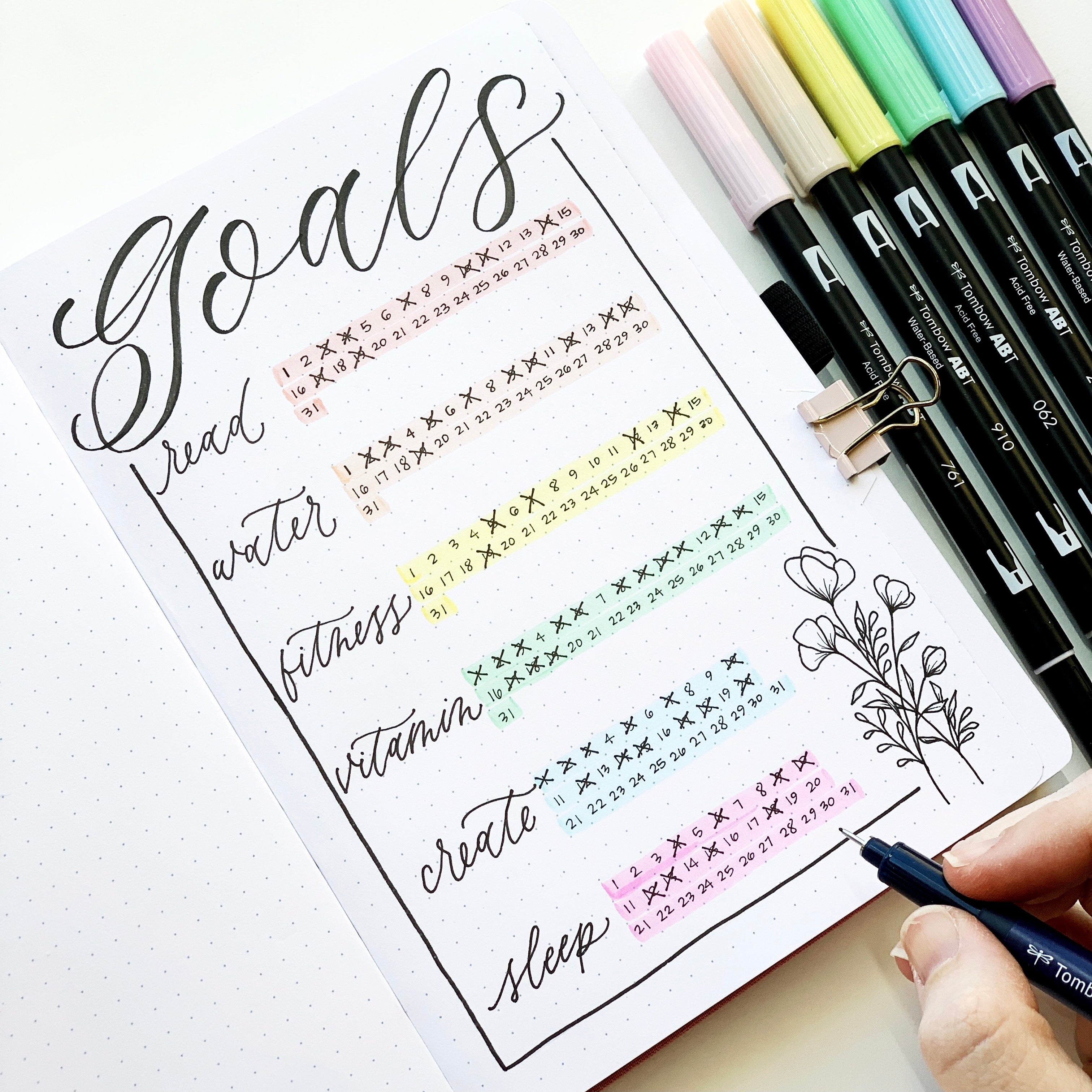
- Habit tracking with simple checklists
When your environment supports your goals, change feels natural instead of forced.
Step 6: Expect Resistance and Plan for It
Resistance doesn’t mean you’re failing — it means you’re changing. Old patterns fight back.
Plan ahead:
- What will you do on low-energy days?
- How will you handle setbacks without quitting?
- Who can support or hold you accountable?
Progress isn’t linear. Learning how to change your life includes learning how to restart without shame.
Tools, Comparisons, and Practical Recommendations

4
Tools don’t change your life — but the right ones remove friction.
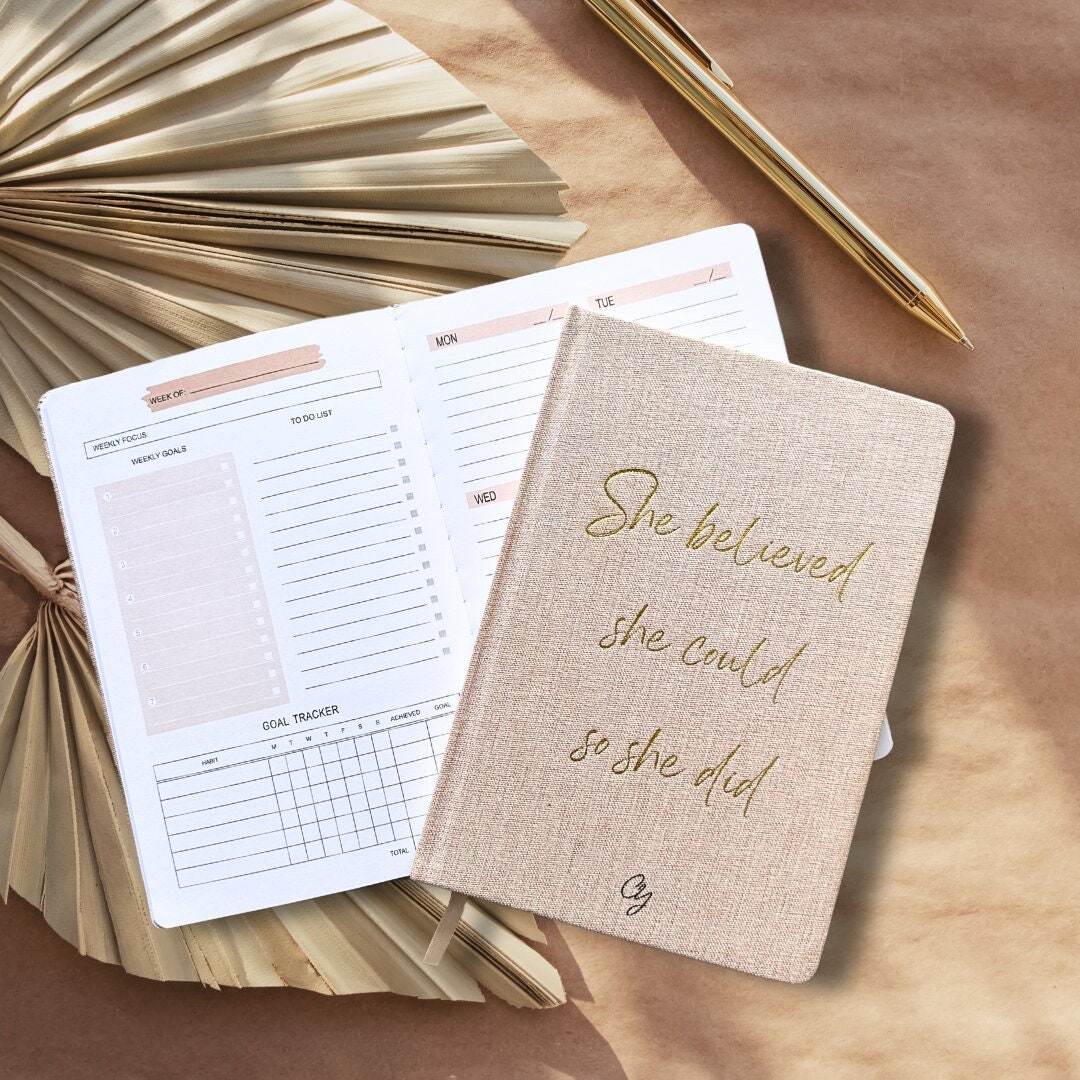
Journals and Planners
Free option: plain notebook
Paid option: structured life or goal planners
Pros:
- Encourages reflection and clarity
- Builds self-awareness
Cons:
- Requires consistency
Habit Tracking Apps
Free versions often work well for beginners.
Paid versions offer deeper analytics.
Pros:
- Visual progress
- Encourages accountability
Cons:
- Can become overwhelming if overused
Learning Resources
Books, podcasts, and long-form articles help reshape thinking.
Tip: Limit consumption. Too much learning without action leads to paralysis.
Coaching or Therapy
Free alternatives include support groups or trusted mentors.
Paid professionals provide structure and objectivity.
Best for:
- Major life transitions
- Emotional blocks
- Burnout recovery
Choose tools that simplify, not complicate, your life.
Common Mistakes That Quietly Prevent Life Change

4
- Trying to change everything at once
This leads to burnout and quitting. Focus beats force. - Waiting for motivation
Action creates motivation, not the other way around. - Comparing your journey to others
You don’t see their full story — only highlights. - Equating setbacks with failure
Setbacks are data, not verdicts. - Ignoring mental and emotional health
No life change sticks if you’re constantly exhausted or overwhelmed.
Fixing these mistakes doesn’t require more effort — just more awareness.
Conclusion: Changing Your Life Is a Practice, Not a One-Time Event
Learning how to change your life isn’t about becoming someone new. It’s about returning to yourself — with clearer priorities, healthier boundaries, and systems that support who you want to be.
You don’t need a perfect plan. You need a starting point. One honest decision. One small habit. One shift in direction.
Life change isn’t loud. It’s built quietly, daily, through choices that slowly reshape your identity. If you’re reading this, you’ve already started. Take the next step — however small — and let momentum do the rest.
fAQs
Can I change my life without money?
Yes. Many powerful changes — habits, mindset, boundaries — cost nothing.
What if I don’t know what I want?
Start by identifying what you don’t want. Clarity grows through action.
Is it normal to feel scared when changing your life?
Absolutely. Fear often signals growth, not danger.
What’s the first habit I should build?
Sleep, movement, or daily planning are strong foundations for most people.
Can small changes really make a big difference?
Yes. Small changes compound over time, creating massive results.

Michael Grant is a business writer with professional experience in small-business consulting and online entrepreneurship. Over the past decade, he has helped brands improve their digital strategy, customer engagement, and revenue planning. Michael simplifies business concepts and gives readers practical insights they can use immediately.





Your words are powerful and have the ability to make a real difference in people’s lives Keep using your voice to spread positivity and knowledge